
Brazil Market Rallies as Flávio Bolsonaro Narrows Gap With Lula, Signaling Fiscal Hopes
Brazilian assets rallied after a new poll showed Senator Flávio Bolsonaro pulling into a statistical tie with President Luiz Inácio Lula da Silva, a shift analysts attribute to market appetite for perceived fiscal discipline.
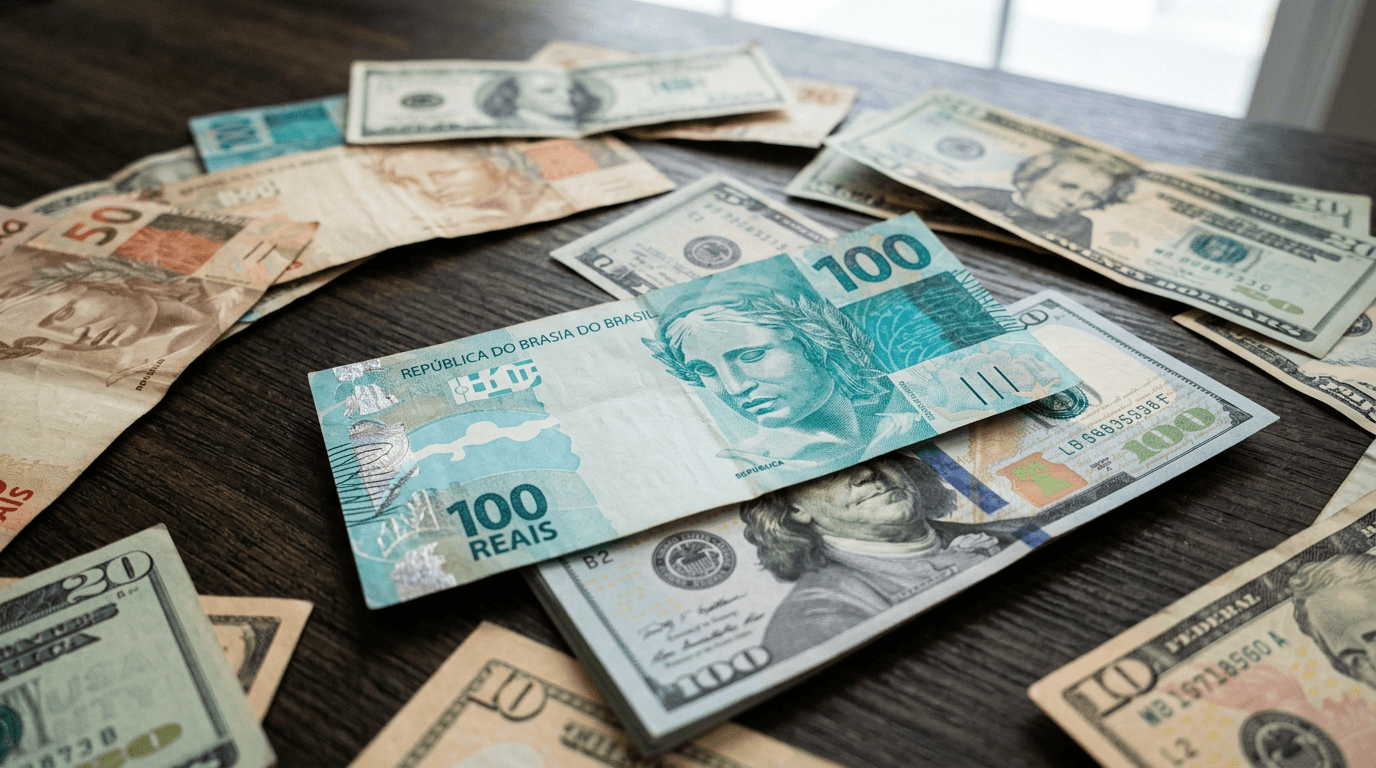
The Brazilian Real and the benchmark Ibovespa stock index have rallied in recent sessions as the presidential election race tightens, with analysts attributing the optimism to the perception that the opposition is more likely to prioritize fiscal adjustment. A recent Quaest survey puts Senator Flávio Bolsonaro, the challenger, one point ahead of incumbent President Luiz Inácio Lula da Silva, a statistical tie that has spurred investors to price in a higher probability of pro-market budget control after the October vote.
The Quaest poll, released earlier this week, showed Bolsonaro, of the Liberal Party (PL), with 42% support against President Lula’s 41% in a simulated second-round matchup. The tight margin, which is within the survey's 2-point error, underscores the highly polarized nature of the contest. The market's reaction, including a significant appreciation of the Real, signals that investors are viewing the increasing competitiveness of the opposition as a positive development for future public finances.
The core of the market reaction is a deep-seated demand for fiscal discipline in Brazil. As one economic consultancy CEO noted, the market is primarily focused on an “appreciation for fiscal adjustment,” rather than an endorsement of a specific candidate or party. Analysts suggest that Bolsonaro, the eldest son of former President Jair Bolsonaro and the leader of a coalition broadly viewed as conservative, is perceived as the candidate more inclined toward tighter budget controls, which would be crucial for lowering the nation’s high interest rate environment and restoring investor confidence.
The current political landscape remains defined by high rejection. A separate Atlas/Bloomberg poll showed both frontrunners are deeply unpopular with a significant portion of the electorate, with President Lula's rejection rate at 52% and Bolsonaro's at 50.2%. This indicates that the market is reacting to a policy preference—the prospect of fiscal austerity—in a deeply divided country, rather than backing a clear favorite with broad public appeal.
The next concrete steps in the election are fast approaching. The first round of voting is scheduled for October 4, with a likely runoff between the two leading candidates set for October 25 if neither candidate secures more than 50% of the valid votes. The continued volatility in the polls is expected to keep the Real and Brazilian equities sensitive to every data release until a victor is determined, as the outcome will set Brazil’s fiscal and economic direction for the next four years.
What it touches
The shift in election dynamics directly affects traded Brazilian assets. The market rally has been observed in the benchmark Ibovespa stock index and the Real, the latter of which has strengthened against the US Dollar (USD BRL) on the expectation of a government more dedicated to reducing the fiscal deficit and lowering country risk.
Related coverage
Politics
Brazil’s Election: TSE Orders Lula Campaign to Remove Video, Flávio Bolsonaro Cites Precedent to Bar UN Speech Use
Published
Politics
Gender-Based Political Violence Cases Skyrocket Eleven-Fold in Brazil as 2026 Election Approaches
Published
Politics · PRO
Brazil Supreme Court Moves to Impose Binding Fiscal Discipline on All Government Spending
Published