
Brazil Federal Police Accuse Governor of Interference in Bank Deal
Federal Police reports sent to the Supreme Court detail direct intervention by DF Governor Ibaneis Rocha in a fraudulent R$ 12.2 billion BRB-Banco Master deal.
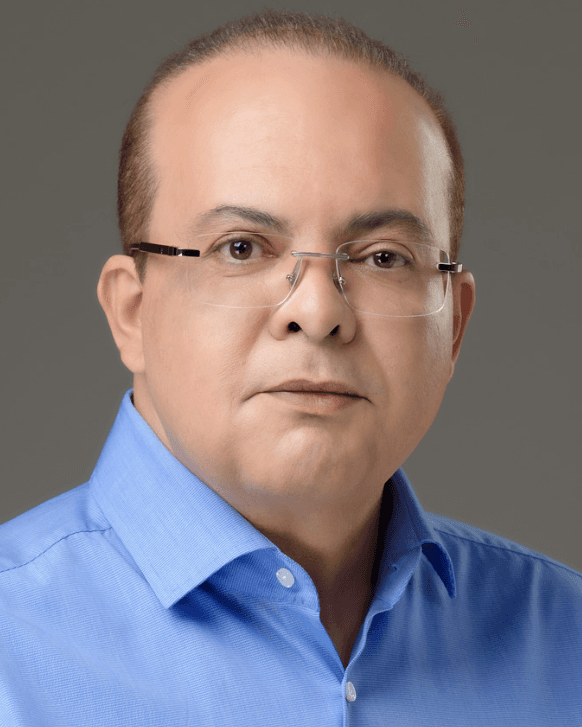
The brazil federal police have accused the governor of the Federal District, Ibaneis Rocha, of direct political interference in the strategic operations of the state-controlled Banco de Brasília (BRB). According to police reports sent to the Supreme Court on October 9, 2026, Rocha bypassed formal governance structures to push through a highly controversial, multi-billion-Real transaction with a troubled private lender. The revelation exposes deep governance failures and heightens political risks in a capital city already bracing for upcoming elections.
The investigation centers on a fraudulent R$ 12.2 billion transaction in which the state-owned BRB attempted to acquire credit portfolios from private lender Banco Master. Federal investigators state that Rocha, whose local government holds a 71.9% controlling stake in BRB, acted directly to authorize capital increases, validate critical operational decisions, and coordinate with private actors. Transcripts and messages analyzed by the brazil federal police indicate that key strategic decisions were submitted to the governor for approval before ever being presented to the bank’s formal board.
The deal collapsed after Brazil's Central Bank identified severe irregularities in the credit portfolios and ordered the transaction undone. The private lender, Banco Master, was subsequently liquidated, leaving the state-owned BRB facing potential provisions of up to R$ 5 billion—a sum that threatens to wipe out the public bank's entire net equity. The fallout has already led to the judicial removal of BRB's former president, Paulo Henrique Costa, and triggered multiple, though so far unsuccessful, impeachment bids against Governor Rocha in the local legislature.
Local Fallout and the Electoral Lens
This banking scandal has rapidly transformed into a central flashpoint for local politics. Governor Rocha, who has previously denied wrongdoing and blamed his former bank president for the crisis, is widely expected to run for the Federal Senate in the upcoming 2026 elections. The escalating investigation directly threatens his political survival and complicates the campaign of his vice-governor, Celina Leão, who is currently running to succeed him.
For international observers, the case highlights the persistent risks of political capture within Brazil's state-owned financial institutions. Opponents of the administration have capitalized on the crisis, pointing to the R$ 12.2 billion in public funds put at risk as evidence of systemic administrative negligence. As the Supreme Court reviews the Federal Police findings, the legal pressure on Rocha is expected to intensify, keeping the capital's political environment highly volatile.