Brazil Congress Delays Vote on Lowering Criminal Age of Responsibility
Senate President Davi Alcolumbre has postponed a vote on lowering Brazil's criminal age of responsibility to 16, coordinating with the Chamber of Deputies to preserve broader public security reforms.

Global investors holding broad emerging-market assets are closely watching how the legislative machinery in Latin America's largest economy handles structural reforms. While fiscal targets and tax overhauls dominate financial headlines, the government’s ability to navigate highly sensitive social and security legislation serves as a key barometer for political stability and policy execution.
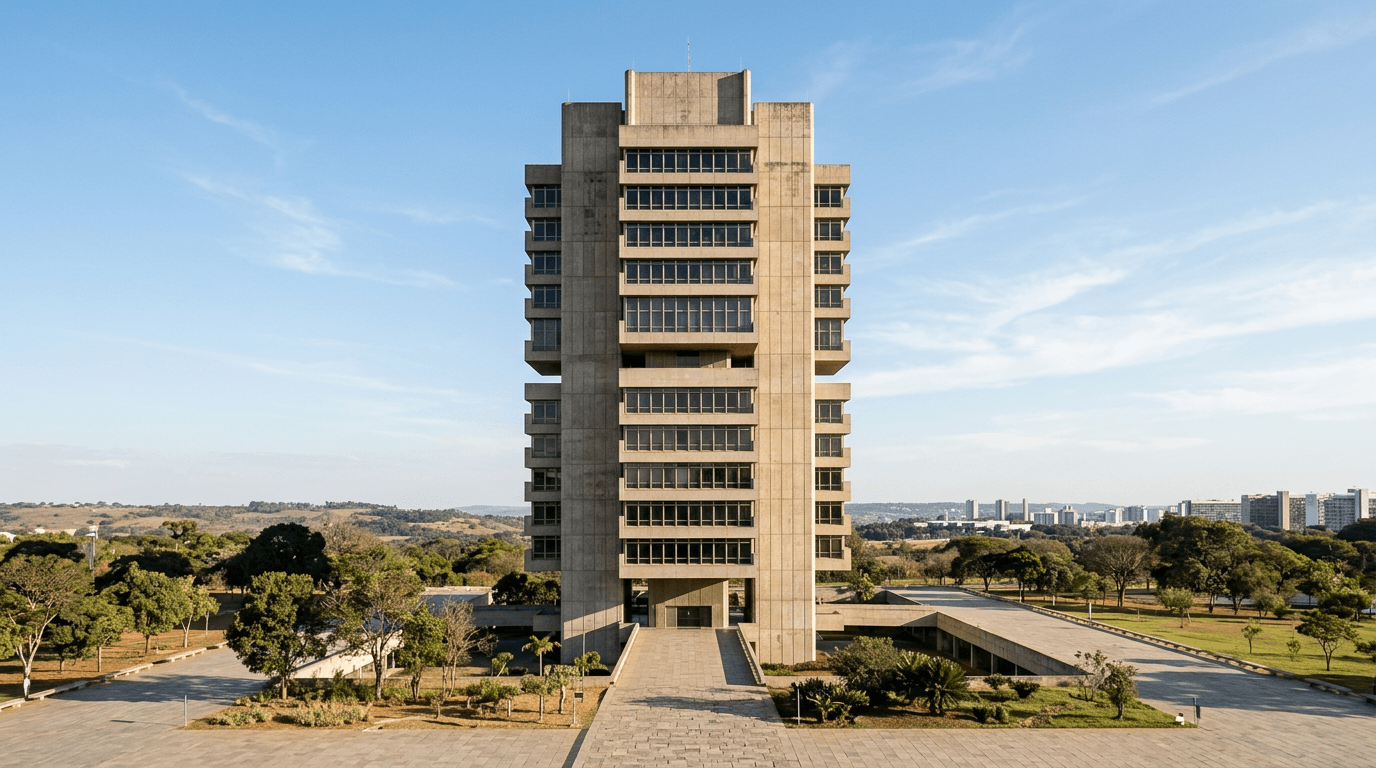
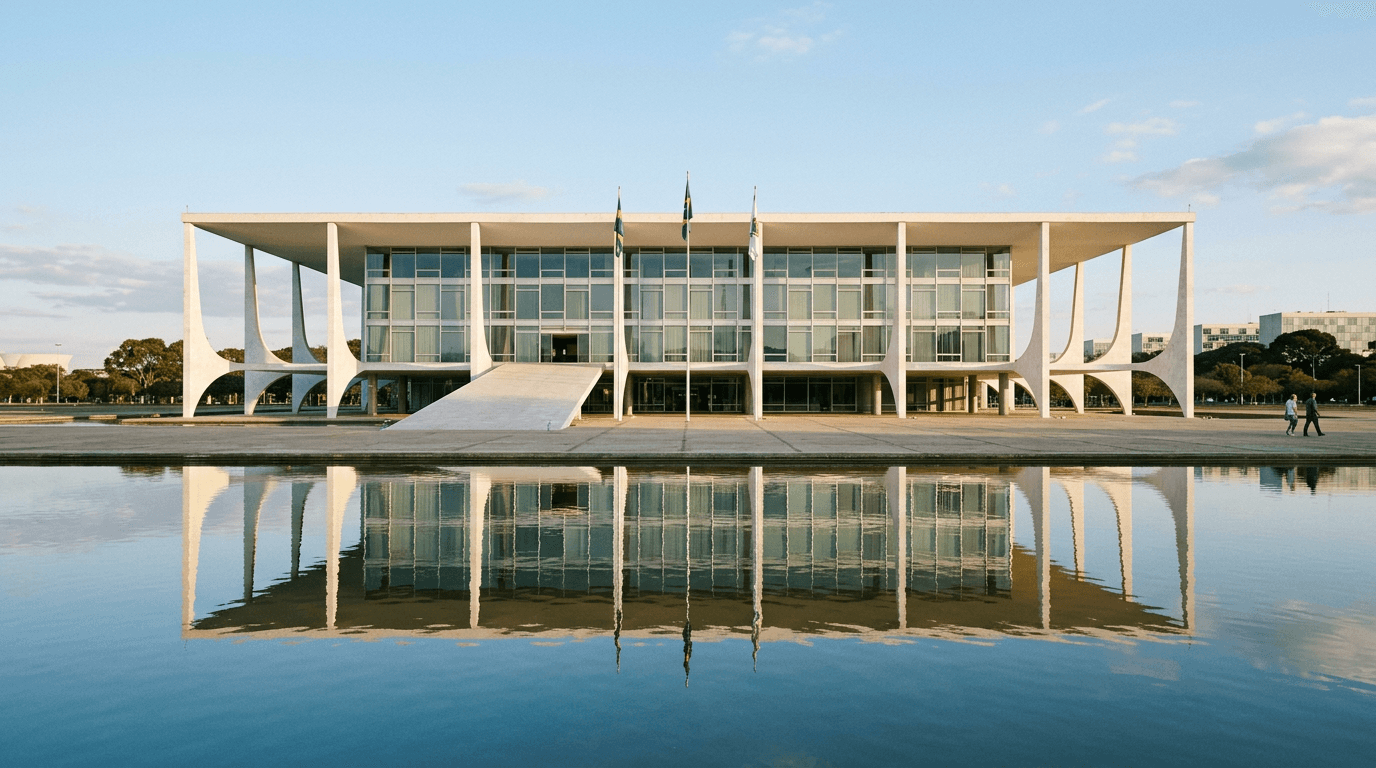
In a move that highlights the complex political negotiations required to pass constitutional amendments, the head of the Brazil Congress building has temporarily shelved a highly anticipated social reform. On November 4, 2026, Senate President Davi Alcolumbre withdrew a constitutional amendment (PEC) that would lower the country's criminal age of responsibility from 18 to 16 from the active voting agenda.
The legislative delay was part of a calculated political deal to facilitate the smooth passage of the broader Public Security Constitutional Amendment in the Senate. To prevent the primary security bill from stalling or being forced back to the lower house, controversial amendments regarding juvenile justice were stripped out and transformed into standalone proposals. Alcolumbre agreed to wait for the Chamber of Deputies—the lower house of Congress—to debate and vote on the matter first. This decision followed a direct request from Lower House Speaker Hugo Motta, who committed to holding a vote in his chamber by the end of November 2026.
Navigating the Legislative Gridlock
For international observers, the delay underscores the delicate balance of power within the current administration. Passing a constitutional amendment in Brazil requires a three-fifths supermajority in both legislative chambers, meaning any major policy change demands deep consensus. The debate over the criminal age has exposed a sharp divide in the Brazil Congress composition.
The opposition, led by conservative factions, is pushing to lower the age of criminal responsibility to 16 as a general rule, and even to 14 for heinous crimes. Conversely, the ruling coalition under President Luiz Inácio Lula da Silva has resisted a rapid, blanket reduction, advocating instead for more limited changes restricted to specific violent offenses. By shifting the initial debate to a special committee in the Chamber of Deputies, legislative leaders hope to iron out these differences before bringing the final text back to the Senate floor.
This compromise represents a tactical victory for legislative coordination, showing that while ideological divisions run deep, the leadership of both houses can coordinate to keep essential security legislation moving forward. Investors monitor these dynamics because gridlock on social issues can easily spill over into economic policy, delaying critical fiscal and administrative reforms.
In your brokerage app
For retail investors, political negotiations in Brasília primarily influence broader market sentiment rather than individual corporate earnings. When political gridlock eases and major legislative reforms advance smoothly, it tends to reduce the country risk premium, which can support the valuation of Brazilian equities across the board. Conversely, prolonged legislative friction can weigh on the local currency and broad equity indices, affecting the performance of diversified emerging-market funds that hold significant allocations in Brazilian financial, energy, and materials stocks.