
Brazil Congress Defers Key Labor and Security Reforms Until After Elections
Brazil's Senate postpones highly anticipated votes on ending the 6x1 work week and public security reform until after the October 2026 elections.
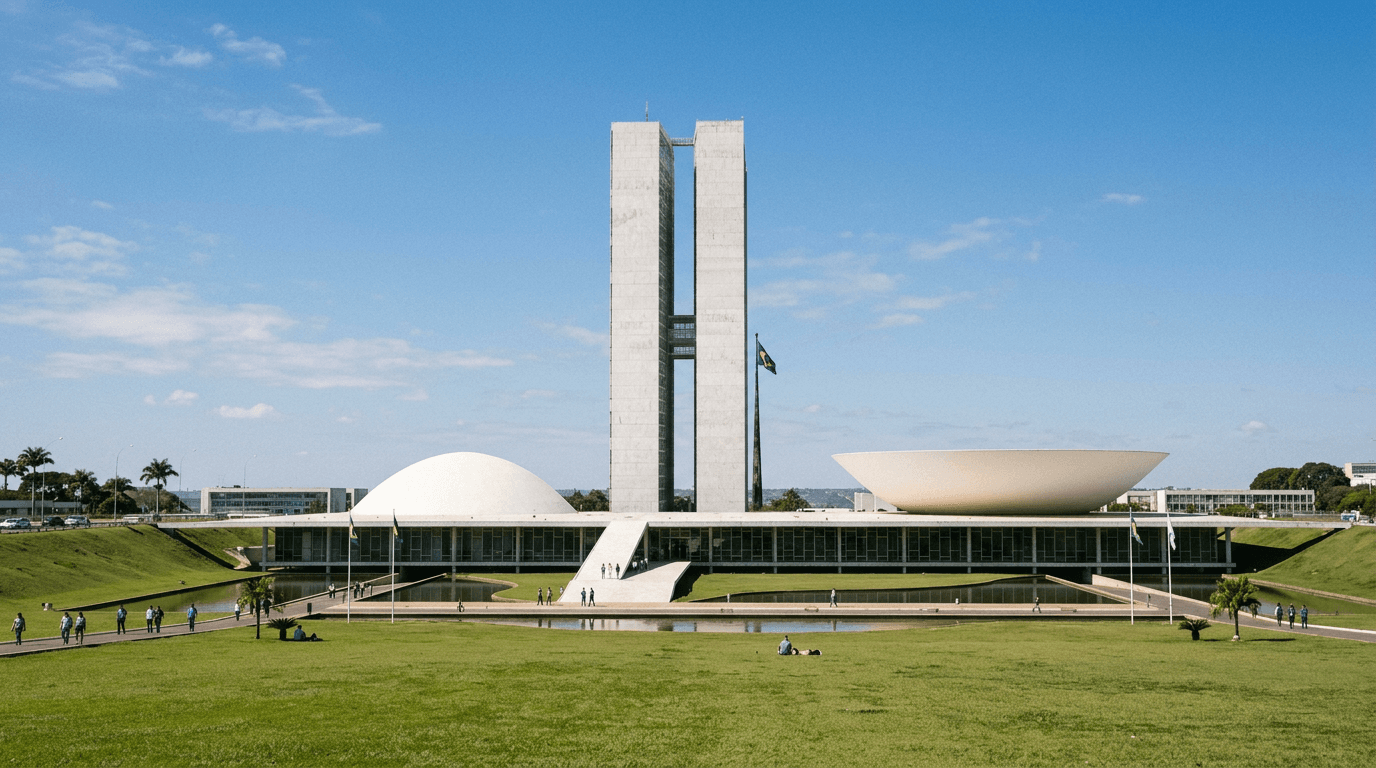
The Brazilian legislature has put two of the country's most highly anticipated constitutional reforms on ice, prioritizing electoral preservation over policy changes. Senate President Davi Alcolumbre confirmed that the constitutional amendment (PEC) to end Brazil's traditional 6x1 work-week scale—where employees work six days and rest for one—will only be voted on by the full Senate after the October 2026 elections. Along with the labor reform, a major Public Security PEC aimed at restructuring federal and municipal coordination against organized crime has also been shelved until the election cycle concludes.
The decision to delay the votes represents a strategic retreat by the government of President Luiz Inácio Lula da Silva and congressional leaders. While both proposals cleared the Senate's Constitution and Justice Committee (CCJ) during a late-summer legislative push, leaders realized they could not guarantee the 49 votes required to pass constitutional amendments on the Senate floor. Intense lobbying from business groups, who warned of severe inflationary impacts and rising operational costs in the retail and service sectors, combined with strategic maneuvers by the conservative opposition to stall the bills.
The postponement highlights how deeply electoral calculations paralyze the brazil congress ahead of the nationwide vote. For lawmakers, voting on highly polarizing issues just weeks before going to the polls carries immense political risk. The 6x1 labor reform, which seeks to establish a mandatory 40-hour work week spread over five days, is wildly popular among working-class voters but fiercely opposed by employers. Meanwhile, the security reform, which seeks to expand the role of municipal police forces and formalize the Unified Public Security System (SUSP) in the constitution, remains a battleground over state versus federal authority in combating drug trafficking and organized crime.
By deferring the votes, congressional power brokers have temporarily defused these legislative landmines. However, the delay leaves millions of workers and local governments in limbo until late October, when the political dust settles. While Congress did manage to pass a popular measure permanently eliminating the controversial 20% import tax on low-value international e-commerce purchases—locally dubbed the "taxa das blusinhas"—the more complex structural reforms will remain frozen until the post-election session.
Related coverage
Politics · PRO
Brazil Supreme Court Moves to Impose Binding Fiscal Discipline on All Government Spending
Published
Politics · PRO
Brazil’s PPSA Schedules First Auction to Break Petrobras Gas Monopoly, Targeting 50% Price Cut for Industry
Published
Politics · PRO
Brazil’s Election Defined by Stark Fiscal Divide Over High Debt and 13.75% Interest Rate
Published