
Brazil Campaign Officially Begins as Lula and Flávio Bolsonaro Target Historic Strongholds
President Lula and challenger Flávio Bolsonaro launch their re-election bids at highly symbolic locations, kicking off Brazil's polarized campaign.
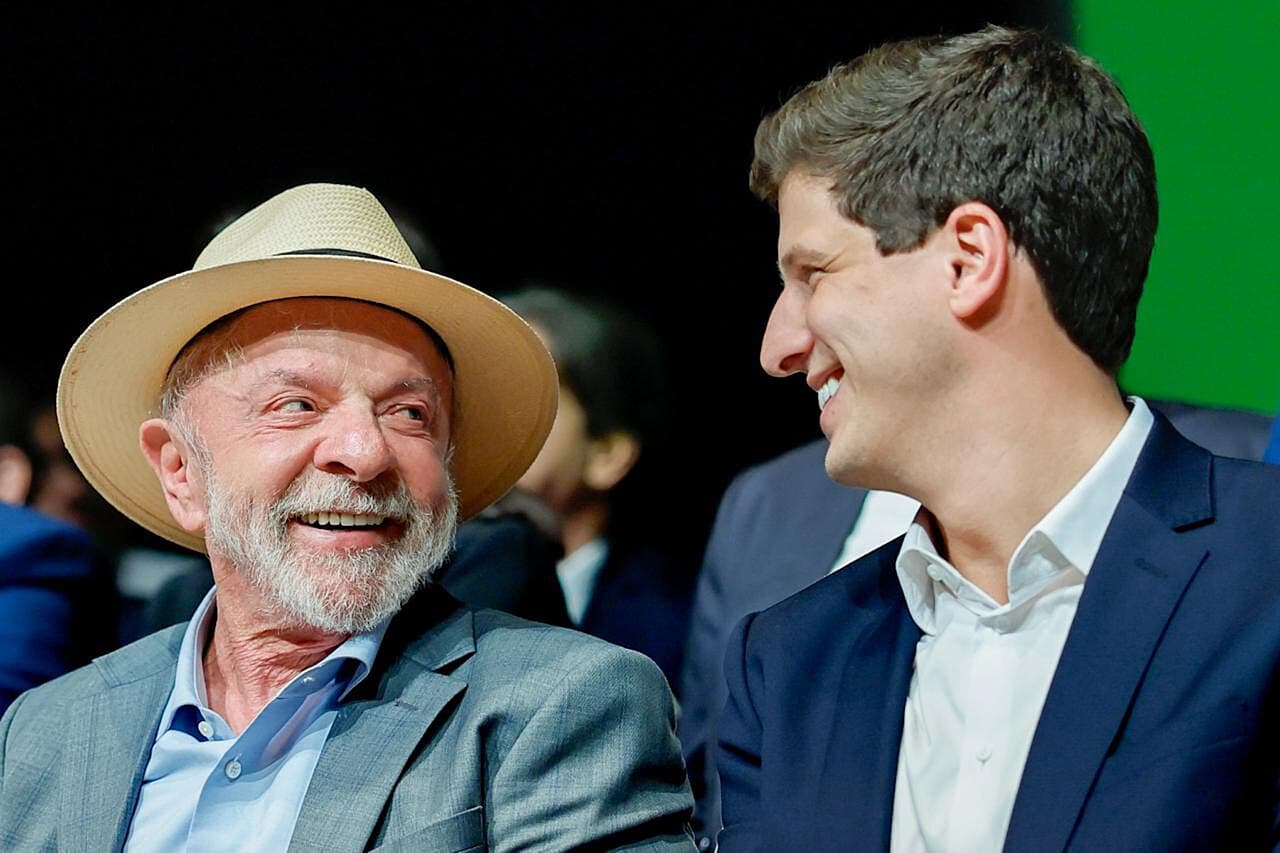
Brazil’s deeply polarized 2026 General Election campaign officially began on Sunday, August 16, as President Luiz Inácio Lula da Silva and main challenger Senator Flávio Bolsonaro chose symbolic strongholds for their first public acts, immediately putting their core strategies on display for voters and international observers. The 80-year-old incumbent, Luiz Inácio Lula da Silva of the Workers' Party (PT), launched his bid for a fourth term at the Primeiro de Maio Stadium in São Bernardo do Campo, a city in the industrial belt of São Paulo state. Simultaneously, Senator Flávio Bolsonaro (PL) kicked off his challenge on the sand of Copacabana beach in Rio de Janeiro, the site of the mass political rallies held by his father, jailed former President Jair Bolsonaro.
The choice of location for both candidates is a clear signal of their base and political heritage. For Lula, the Primeiro de Maio Stadium is hallowed ground: it was the epicenter of the massive metalworkers’ union strikes he led in the late 1970s and early 1980s, which helped pave the way for Brazil’s return to democracy and launched his own political career. By returning to São Bernardo do Campo, Lula aims to reinforce his identity as the champion of the working class and the architect of Brazil’s modern left. Flávio Bolsonaro, on the other hand, is leaning into the established electoral base of the right, utilizing the same Copacabana venue that became synonymous with the street power of the Bolsonaro movement over the past decade. The event is designed to position the senator as the direct heir and continuation of his father’s nationalist, conservative movement in his effort to unseat the incumbent president.
This election cycle is also marked by significant new regulatory steps by the Superior Electoral Court (TSE), which is seeking to curb digital disinformation in what experts are calling Brazil's first "real AI election." New electoral rules mandate the explicit and prominent labeling of all synthetic multimedia content—including images, audio, and video—generated or altered by Artificial Intelligence, and strictly prohibit the use of undisclosed deepfakes that could be used to manipulate voters. The TSE, which has been highly assertive in combating disinformation, has also imposed strict liability on digital platforms to remove identified irregular synthetic material, a measure designed to enforce integrity in the digital landscape of a highly contentious race.
The formal start of the campaign triggers a heightened period of political risk and public attention. Following the initial rallies, the campaign will intensify with a series of structured media events. The next major milestone will arrive on August 28, when the constitutionally mandated free airtime for political propaganda on radio and television begins, a period that will allow candidates to directly address the national electorate outside of rallies and social media.
What it touches The official launch of the campaign increases political noise and uncertainty, a factor often tracked by foreign investors. Heightened political risk could translate into day-to-day volatility for assets such as the Brazilian real (USD/BRL) and the benchmark Ibovespa stock index (IBOV) as the race between the left and the right unfolds over the coming weeks.
Related coverage
Politics · PRO
Brazil Supreme Court Moves to Impose Binding Fiscal Discipline on All Government Spending
Published
Politics · PRO
Brazil’s PPSA Schedules First Auction to Break Petrobras Gas Monopoly, Targeting 50% Price Cut for Industry
Published
Politics · PRO
Brazil’s Election Defined by Stark Fiscal Divide Over High Debt and 13.75% Interest Rate
Published