
Candidate Flávio Bolsonaro Files AIJE to Annul Lula’s 2026 Re-election Ticket Over Culture Ministry Abuse
Flávio Bolsonaro filed a high-stakes AIJE with the TSE seeking to annul President Lula’s re-election ticket over the alleged misuse of MinC resources.
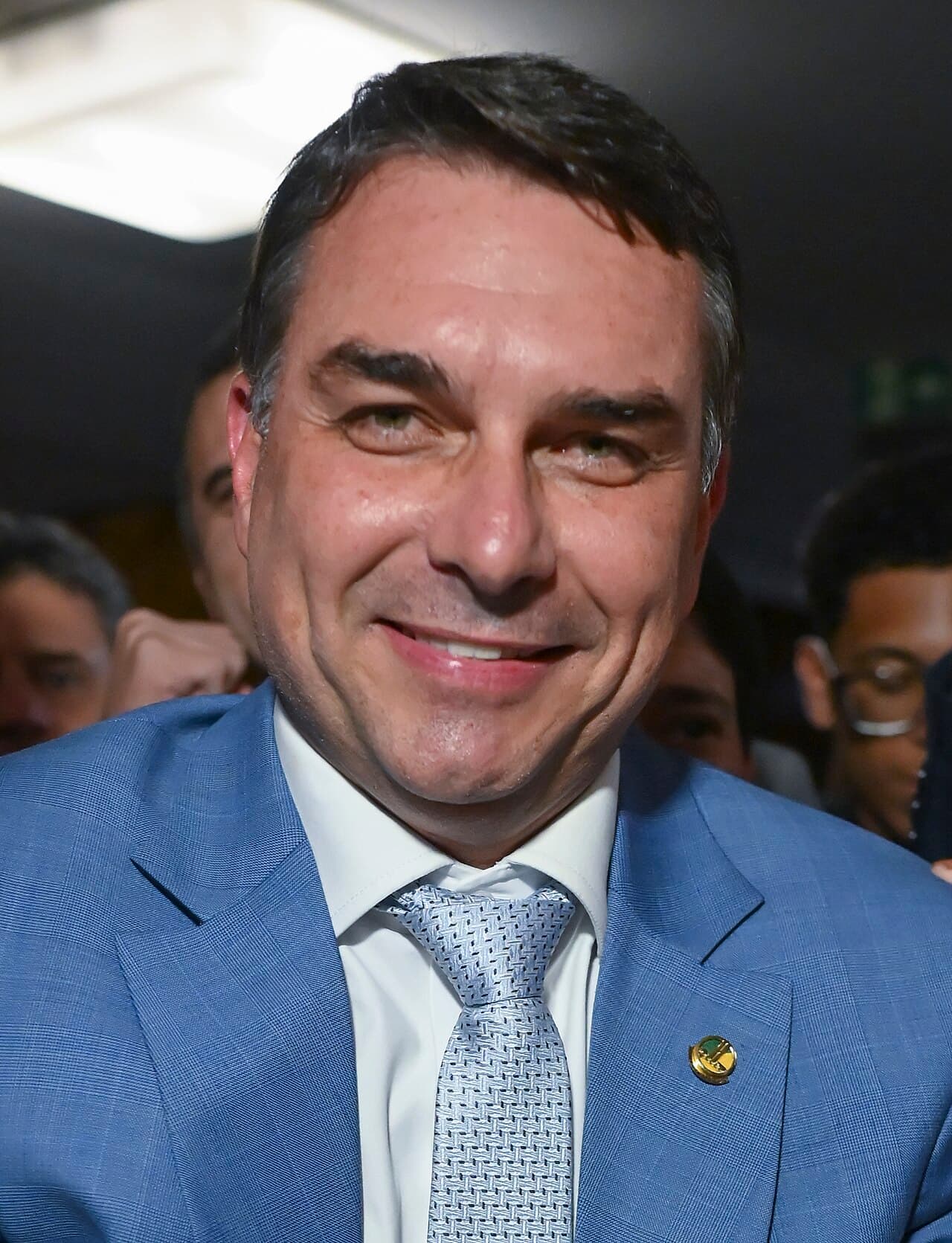
Senator and Presidential Candidate Flávio Bolsonaro (PL) has escalated political risk in the final days of Brazil’s 2026 re-election campaign by filing a high-stakes legal action with the Superior Electoral Court (TSE) seeking to annul the ticket of incumbent President Luiz Inácio Lula da Silva and Vice President Geraldo Alckmin. The lawsuit, known as an Ação de Investigação Judicial Eleitoral (AIJE), alleges political and economic abuse of power through the systematic misuse of the Ministry of Culture’s (MinC) structure and public resources to benefit the current president's re-election effort. The filing, which also requests that First Lady Rosângela "Janja" da Silva, Culture Minister Margareth Menezes, and other MinC officials be declared ineligible for public office, injects a fresh wave of legal uncertainty into the final stretch of the highly polarized contest.
The action centers on what the Bolsonaro campaign describes as "the largest use of the public machine" for an electoral campaign in Brazilian democratic history. Among the core allegations is an event organized by the "Movimento Cultura com Lula," where First Lady Janja was quoted as saying she was acting as a "militant, not First Lady" while urging participants to campaign and “dispute the votes of the undecided”. Flávio Bolsonaro’s legal team also points to the alleged use of official MinC communication channels to disseminate campaign material and the involvement of a cultural collective that received over R$5.7 million in federal funds, claiming the government-backed structure was improperly leveraged for partisan politics.
The Tribunal Superior Eleitoral (TSE), which is Brazil’s highest electoral body and the final arbiter of election disputes, is now tasked with evaluating the serious nature of the allegations. The AIJE is the primary legal mechanism used to investigate electoral abuses and, if successful, can lead to the removal of elected officials and a ban from holding office for eight years. The action represents a significant source of political risk, especially for foreign investors and observers who value stability, though legal experts often note that these high-stakes challenges are difficult to prove in the short time before an election.
In a first step, the acting Inspector General of Electoral Justice, Minister Ricardo Villas Bôas Cueva, admitted the AIJE but ordered the Bolsonaro campaign to provide additional complementary information within 72 hours before the court will analyze any requests for immediate, or liminar, injunctions. This ruling indicates that while the court is giving the complaint formal consideration, it is not moving to a swift judgment or issuing immediate bans. The move is also part of a larger pattern of mutual legal warfare; President Lula’s campaign has also filed multiple AIJEs against the Bolsonaro ticket. The final days of the 2026 re-election contest will now be colored by this intense, high-level legal battle playing out concurrently with the traditional campaign trail.
What it touches: The increasing legal and political uncertainty, days before the first-round vote, contributes to the elevated Brazil political risk and country risk premium, impacting asset prices that respond to stability. The Lula re-election challenge is likely to keep the foreign exchange market on edge, though no single asset is primarily affected by this specific legal action.
Related coverage
Politics
Lula Rejects 'Colonial Logic' at UN, Demands Value-Added Processing for Brazil's Critical Minerals
Published
Politics · PRO
Brazil’s AGU Sues 17 Betting Companies for R$1 Billion Over Public Health Costs
Published
Politics
Lula’s Party Asks Brazil’s Supreme Court to Probe US Conservative Network Rockbridge Over Foreign Campaign Funding
Published