Why MercadoLibre Shares Are Caught in the Post-Election Brazil Selloff
MercadoLibre stock faces pressure as Brazil's post-election fiscal concerns and a weaker real weigh on the regional e-commerce and fintech giant.
Investors in Latin American e-commerce giant MercadoLibre have experienced a sudden decline in the company's market valuation, driven by political and currency volatility in South America's largest economy. The stock, historically a strong performer in the global tech sector, has traded roughly 19% lower in 2026. Crucially, more than half of those losses occurred in late October, following a wave of market reactions to Brazil's post-election landscape.
The catalyst for this downturn came on October 25, 2026, when Brazil held its presidential runoff election. President Luiz Inácio Lula da Silva secured a narrow victory with 51.8% of the vote, according to the official count by Brazil's Superior Electoral Court (TSE), defeating challenger Flávio Bolsonaro. Because some market segments had anticipated a Bolsonaro victory on a platform of tax cuts and deficit reduction, the outcome triggered a selloff in Brazil-exposed assets. The Brazilian real fell against the U.S. dollar, with the exchange rate reaching 5.49 reais per dollar on November 3, 2026, directly eroding the dollar-denominated value of companies operating in the country.
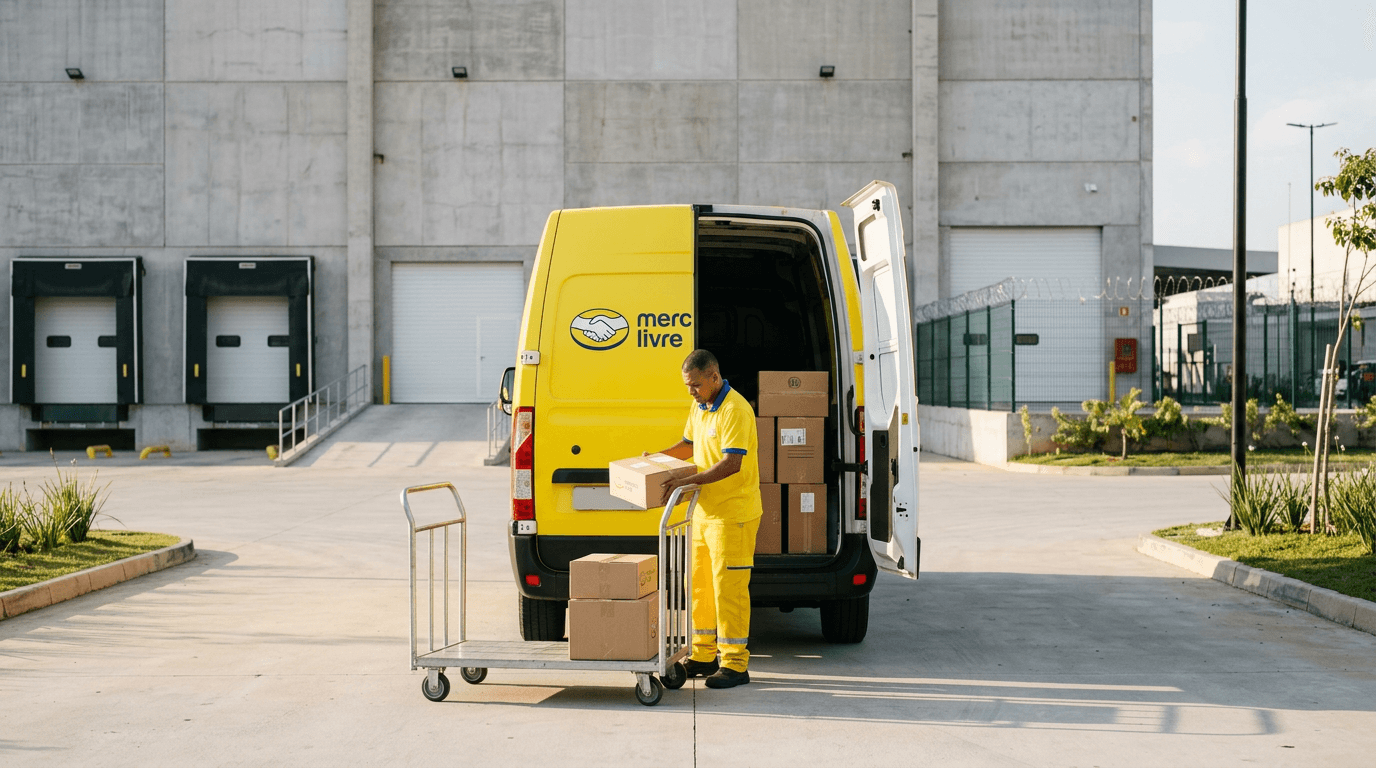
While MercadoLibre is incorporated in the U.S. and listed on the Nasdaq, its operational heart is in Brazil. The country is the company's primary growth engine, accounting for 52.6% of its $28.9 billion in net revenue in fiscal year 2025, according to its annual SEC filing. In its second-quarter earnings report released on August 5, 2026, MercadoLibre posted net revenues and financial income of $10.17 billion, up 49.8% year-over-year. This growth was largely driven by an aggressive free-shipping campaign and a massive expansion of its fintech arm, Mercado Pago, in Brazil.
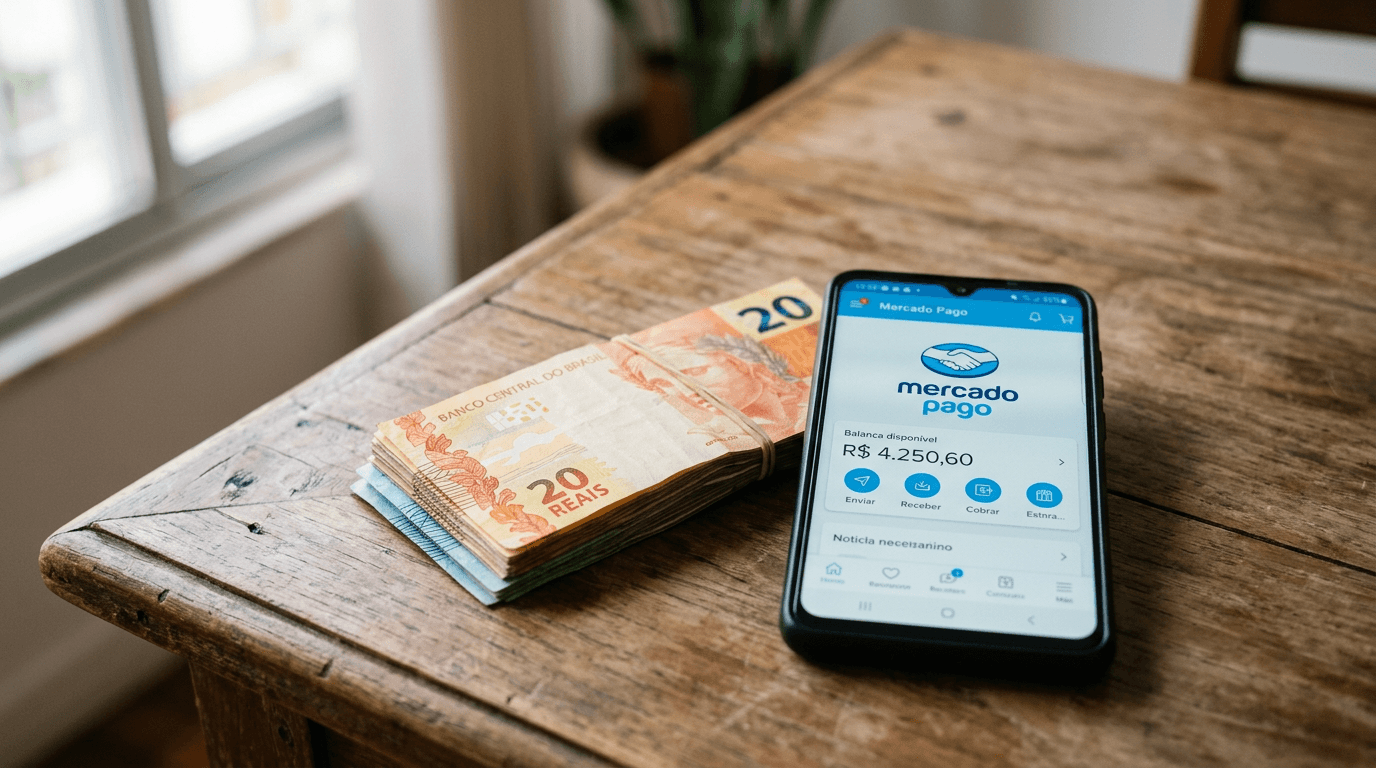
However, this deep integration means that when Brazil's macroeconomics shift, MercadoLibre’s stock moves with it. The post-election market reaction reflects investor concerns over Brazil’s future fiscal policy and the impact of a weaker currency on consumer credit. Through Mercado Pago, MercadoLibre has built a massive consumer lending business, with its regional credit portfolio reaching $16.4 billion in the second quarter of 2026, according to the company's Q2 2026 financial results. A weaker real and higher local interest rates could pressure margins and increase default risks among Brazilian borrowers, even as the company's e-commerce volumes remain robust.
The next major test for the stock arrives on November 4, 2026, when MercadoLibre is scheduled to report its third-quarter financial results. Wall Street analysts expect revenue to grow 44.5% year-over-year to $10.69 billion, according to consensus estimates compiled by MarketBeat as of November 4, 2026. Investors will be looking past the historical numbers to focus on management's commentary regarding the post-election environment in Brazil, currency hedging strategies, and how they plan to navigate the shifting political landscape.
Market Listings
MercadoLibre is listed on the Nasdaq under the ticker MELI. Because the company generates more than half of its revenue in Brazil, its financial performance in U.S. dollars remains highly sensitive to fluctuations in the Brazilian real. Other Brazil-focused equities and exchange-traded funds also faced downward pressure during this post-election period as foreign capital reacted to the shifting macroeconomic outlook.