
StoneCo Braces for Higher-for-Longer Brazilian Rates as Credit Provisions Rise
Brazilian fintech StoneCo faces macroeconomic pressure from sticky interest rates, forcing higher bad-debt provisions ahead of its Q3 earnings release.
American retail investors holding high-growth financial technology stocks are finding that international expansion comes with steep macroeconomic hurdles. The promise of high-yielding digital banking in emerging markets is increasingly colliding with central bank policies designed to fight inflation. When borrowing costs remain elevated, the consumers and small businesses using these platforms struggle to pay back their loans, forcing digital lenders to set aside more cash for bad debt.
In Brazil, this dynamic is putting pressure on StoneCo, a major payment processor and digital lender popular with international investors. The company announced on October 8, 2026, that it will release its third-quarter 2026 financial results on November 12, 2026, with its quiet period scheduled to begin on October 28, 2026. The upcoming report will show whether the company can stabilize its credit portfolio as Brazil's central bank keeps its benchmark interest rate, known as the Selic, at a restrictive 13.75%.
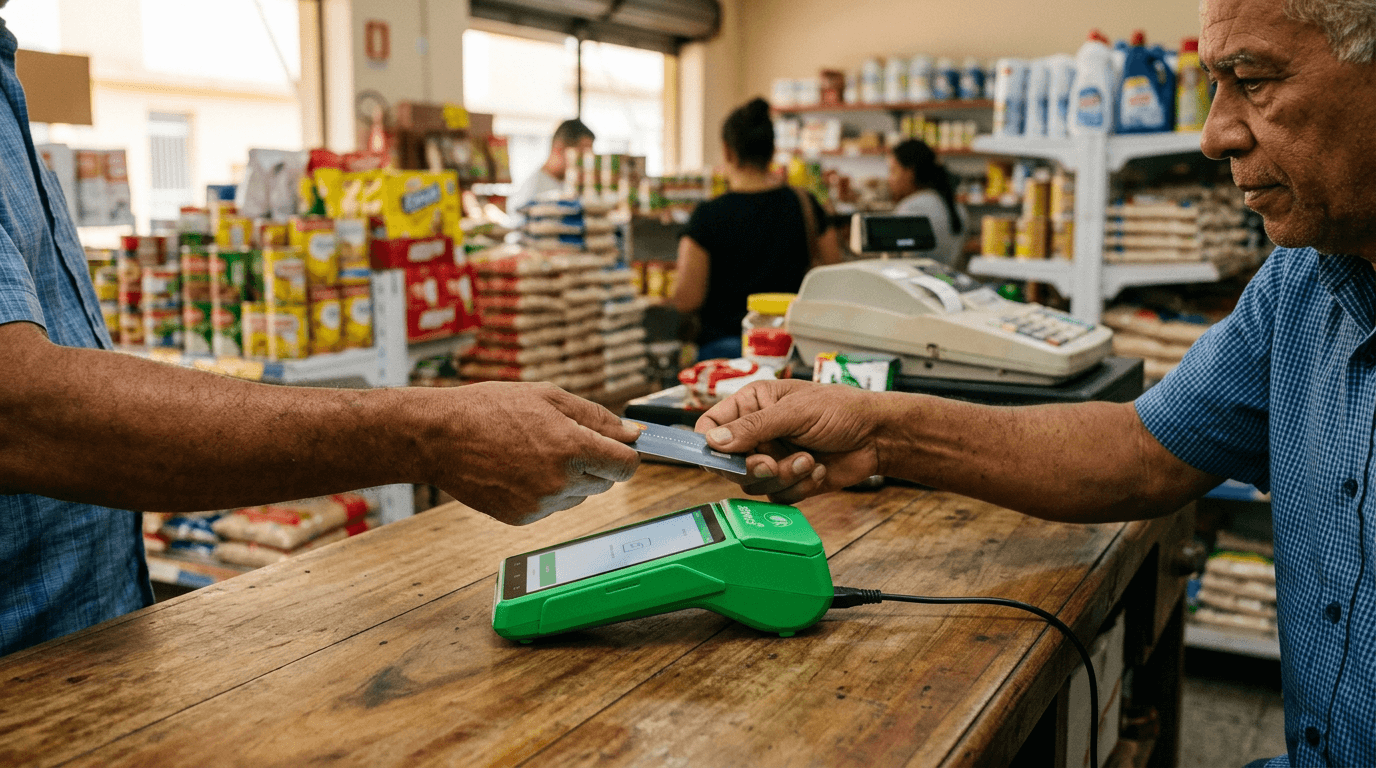
StoneCo, which built its business by providing credit card terminals to small and mid-sized Brazilian merchants, has aggressively pivoted toward becoming a full-service bank and lender. However, this credit expansion has run into a wall of rising delinquencies. In its second-quarter 2026 earnings report, released on August 13, 2026, StoneCo revealed that its provisions for expected loan losses rose to BRL 188 million, a 127.9% increase compared to the same period in the prior year.
This surge in bad-debt provisions forced management to guide investors toward the lower end of its full-year 2026 financial targets. The company is aiming for an adjusted gross profit of BRL 6.6 billion to BRL 7.0 billion and adjusted basic earnings per share of BRL 10.8 to BRL 11.4. During the second-quarter conference call on August 17, 2026, management acknowledged that interest rates have stayed higher for longer than anticipated, making the retail credit environment considerably more challenging.
The credit risk is closely tied to Brazil's electoral and political landscape, which directly influences monetary policy. Retail investors closely monitor the political risk surrounding the country's fiscal policy, as government spending plans can keep inflation high and prevent the central bank from cutting rates. If the government fails to reassure markets on fiscal discipline, the central bank is highly likely to maintain or even raise the Selic rate, further squeezing StoneCo's merchant client base and keeping its cost of risk elevated.
In your brokerage app
StoneCo is listed in New York on the Nasdaq exchange under the ticker STNE. Investors can also gain exposure to the company through exchange-traded funds that track Brazilian equities, such as the iShares MSCI Brazil ETF, which holds a basket of the country's largest publicly traded enterprises.