
MercadoLibre Trades Near-Term Profit Margins to Defend Its Brazilian Turf Against Asian Giants
The e-commerce giant is sacrificing operating margins to lower its free shipping threshold in Brazil to combat rising competition from Temu and Shopee.
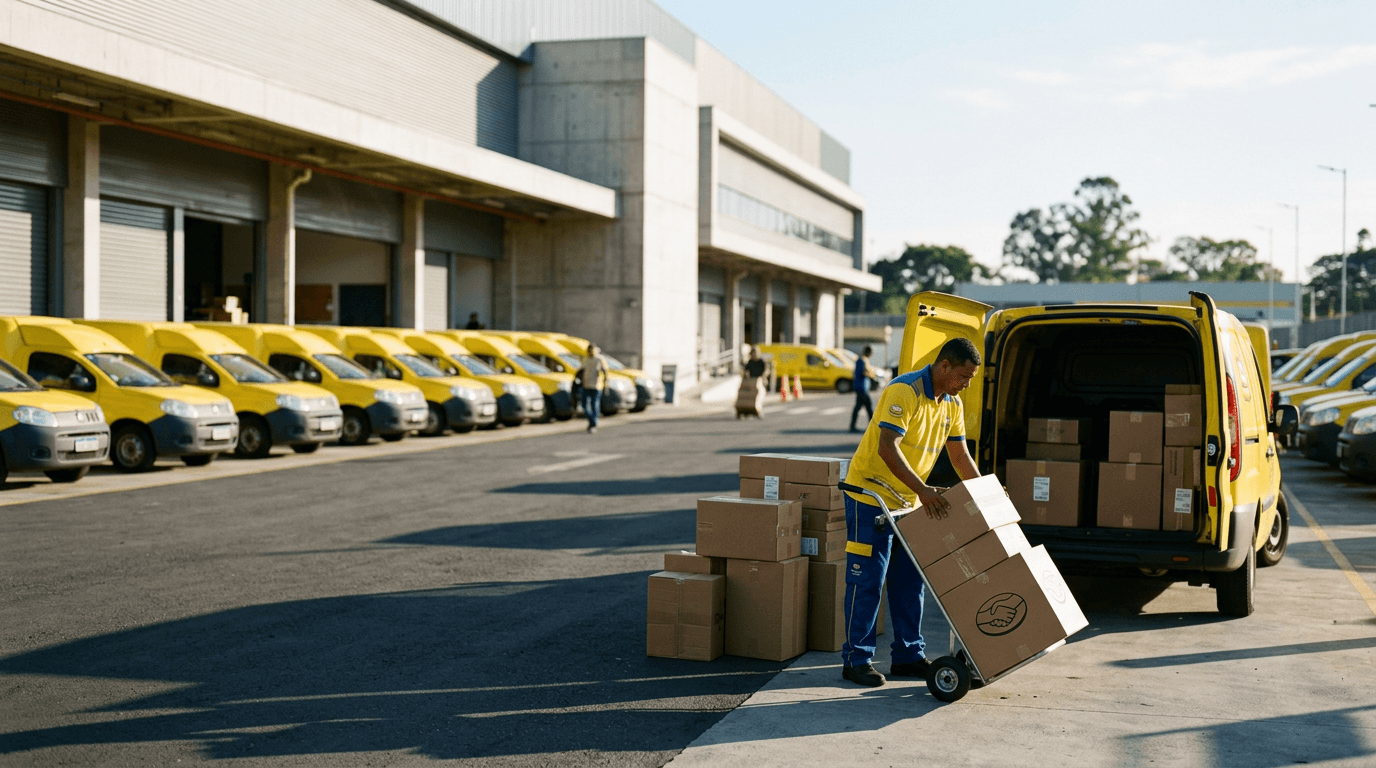
If you hold shares of Latin American e-commerce giant MercadoLibre in your brokerage portfolio, you are witnessing a classic corporate trade-off: sacrificing near-term profitability to protect market share. The Nasdaq-listed retail and fintech powerhouse has chosen to absorb heavy logistics costs to defend its most critical territory from aggressive, low-cost Asian competitors.
In its second-quarter 2026 earnings report released on August 5, 2026, MercadoLibre revealed that its consolidated operating margin contracted sharply to 6.7%, down from 12.2% in the same period of 2025. This margin compression was driven by deliberate, strategic investments in logistics and customer acquisition, most notably in Brazil. Despite the hit to profitability, the company’s top-line engine remains highly resilient, delivering its 30th consecutive quarter of year-over-year revenue growth above 30% and reaching a record $10.17 billion.
The primary battlefield is Brazil, which represents MercadoLibre's largest single market, accounting for over 53% of its e-commerce revenue. To counter the rapid rise of fast-fashion and discount platforms like Sea Group’s Shopee and PDD Holdings’ Temu, MercadoLibre took the aggressive step of slashing its free shipping threshold in Brazil from 79 Brazilian reais to just 19 reais (approximately $3 USD). According to the company's Q2 2026 shareholder letter, this low-price shipping strategy has successfully triggered a durable shift in consumer behavior, driving higher purchase frequency and customer retention across lower-priced product categories.
Navigating Political and Tax Shifts
This intense corporate rivalry is unfolding against a backdrop of shifting regulatory and political risks in Brazil. Foreign e-commerce platforms have historically benefited from tax loopholes on low-value international shipments, drawing fierce criticism from local retail associations and politicians. However, Brazil’s Congress recently implemented a federal "tax on choice" (taxa das blusinhas), imposing a 20% import tariff on international purchases under $50.
While this legislative change helps level the playing field for domestic operators, MercadoLibre is not taking its leadership for granted. By lowering its free shipping threshold to R$19, the company is effectively locking in Brazilian consumers before cross-border rivals can adapt their supply chains to the new tax reality.
In your brokerage app
For retail investors holding MercadoLibre, Inc., listed in New York, the strategic pivot highlights the company's focus on long-term market dominance over quarterly margin targets. While the stock experienced near-term pressure due to the margin decline, the company continues to scale its high-margin fintech arm, Mercado Pago, and its advertising network to offset retail shipping costs. MercadoLibre is also a major holding in broad Latin American exchange-traded funds, such as the iShares MSCI Brazil ETF, which tracks the region's largest corporate players.