
Brazil Wholesale Electricity Prices Spike 2,408% in One Day
A sudden drop in solar generation at sunset combined with surging heat-driven demand sent Brazil's short-term wholesale power prices soaring on October 15, 2026.
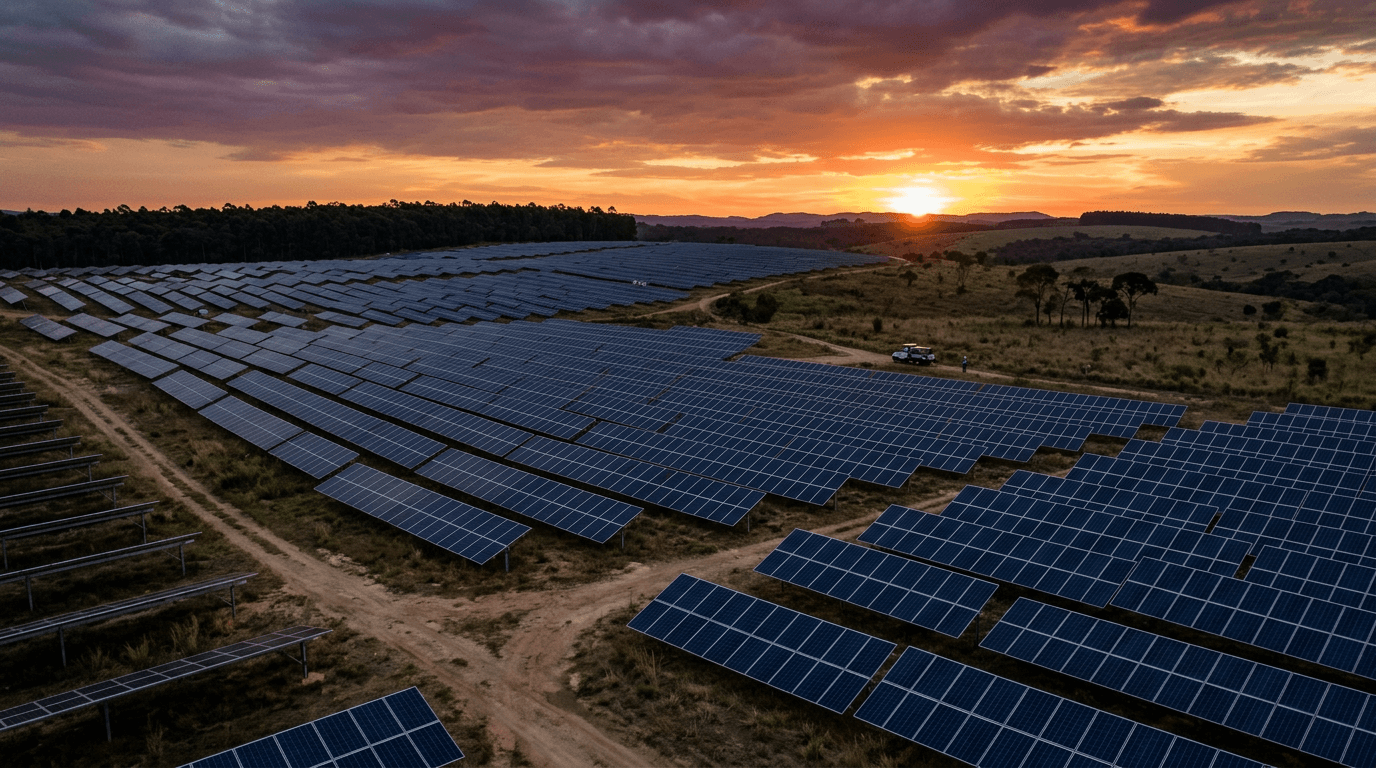
A rapid drop in solar generation at sunset combined with surging heat-driven demand sent Brazil's short-term wholesale electricity prices soaring by 2,408% in a matter of hours on October 15, 2026. The sudden spike highlights the growing operational challenges facing the country's power grid as it integrates massive amounts of intermittent renewable energy.
According to data from the Chamber of Electric Energy Commercialization (CCEE), the Settlement Price for Differences (PLD)—Brazil's hourly wholesale spot electricity price—started the afternoon at its regulatory floor of R$ 57.31 per megawatt-hour (MWh). By 7:00 PM, as solar power exited the grid and regional temperatures remained high, the spot price peaked at R$ 1,437.37 per MWh.
The price escalation reflects acute pressure on the National Interconnected System (SIN), which projected peak demand to reach 101,600 megawatts (MW). As solar generation faded rapidly at sunset, the country's grid operators had to manage a steep supply transition during a period of high air-conditioning use.
This volatility does not directly affect everyday residential consumers, who pay regulated tariffs set by the National Electric Energy Agency (Aneel). Instead, the financial impact of the price spike is concentrated on energy trading desks and free-market commercializers that manage short-term contractual differences.
The event underscores a broader structural challenge for Brazil's power sector. While the country has successfully attracted billions in renewable energy investments, the rapid growth of solar and wind generation has created significant supply-and-demand imbalances during peak evening hours, requiring more flexible grid solutions and backup capacity.
Operational impacts on utilities
For major utilities and power generators operating in Brazil, these extreme price swings place a premium on portfolio management and grid flexibility. Companies with uncommitted generation capacity can potentially capture high spot prices during peak hours, while those caught short must purchase expensive energy on the spot market to fulfill their supply contracts.
To mitigate these operational risks, the Brazilian government and regulatory bodies are actively pushing for grid modernization, including the expansion of battery energy storage systems (BESS) and the introduction of time-based electricity tariffs to encourage consumers to shift their usage to peak solar hours.