
This $150 Billion Energy Market Just Saw a Sudden 2,409% Price Spike
A cold front in Brazil's wind-heavy Northeast knocked out wind generation and sent short-term electricity prices soaring by 2,409% on October 15, 2026.
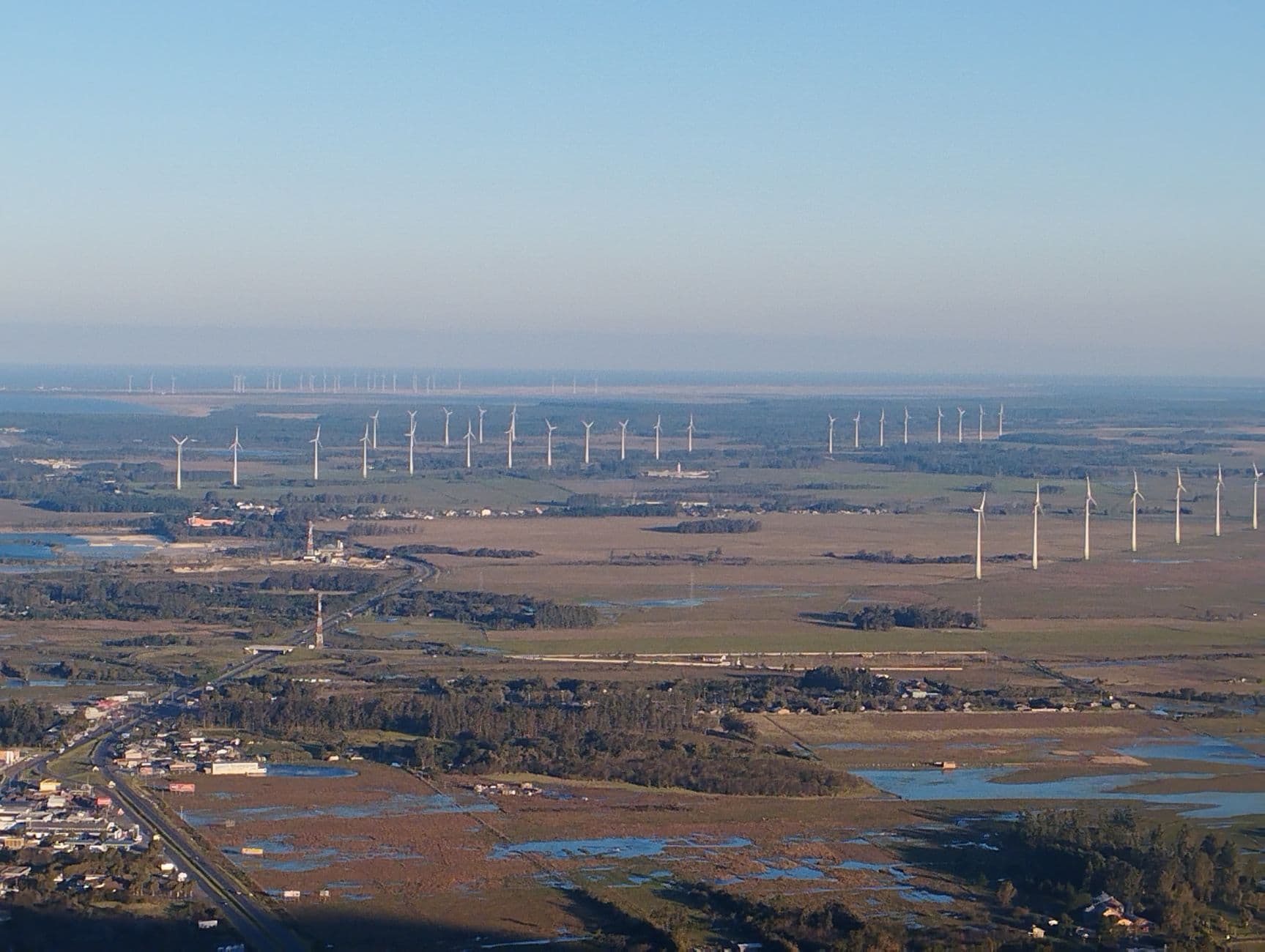
Global investors holding broad emerging market funds or international utility equities are getting a stark reminder of how weather volatility can instantly disrupt corporate operating margins. A sudden meteorological shift in South America has exposed the deep structural vulnerabilities of a major power grid, leaving energy traders and industrial consumers scrambling to digest massive overnight losses.
On October 15, 2026, the short-term electricity settlement price (PLD) in Brazil's deregulated energy market skyrocketed by 2,409% in a single day. According to data from the Chamber of Electric Energy Commercialization (CCEE), the benchmark rate for the free market jumped from its regulatory floor of R$ 57.31 per megawatt-hour (MWh) in the morning to R$ 1,437 per MWh between 4:00 p.m. and 7:00 p.m..
The price shock was triggered by a cold front sweeping through Brazil's Northeast, a region that has become the country's primary hub for wind energy. The weather system abruptly slashed wind power generation by 3 gigawatts (GW). At the exact same time, late-afternoon peak demand across the national grid surged by an additional 3 GW. This sudden 6 GW supply-demand gap forced the National Grid Operator (ONS) to activate expensive, fossil-fueled thermal power plants to keep the lights on, pushing marginal operating costs above R$ 1,500/MWh.
This "price tsunami" highlights a growing structural risk for Brazil's R$ 150 billion ($27 billion) free energy market. As the country has rapidly built out wind and solar farms to green its grid, it has become highly vulnerable to sudden drops in renewable generation. When the wind stops blowing or the sun sets during peak hours, the grid must rely on expensive backup thermal plants. For heavy industrial firms and energy commercializers operating in this deregulated space, these sudden price spikes can instantly erase quarterly margins if their power supply is not fully hedged.
In your brokerage app
For retail investors, this extreme volatility directly impacts the earnings of major Brazilian utilities and heavy industrial players held within broad international funds. You can gain or manage exposure to these large-scale infrastructure and utility dynamics through the iShares MSCI Brazil ETF, an exchange-traded fund listed in New York that tracks the broader Brazilian equity market, including major power generators and industrial consumers sensitive to these sudden grid shocks.