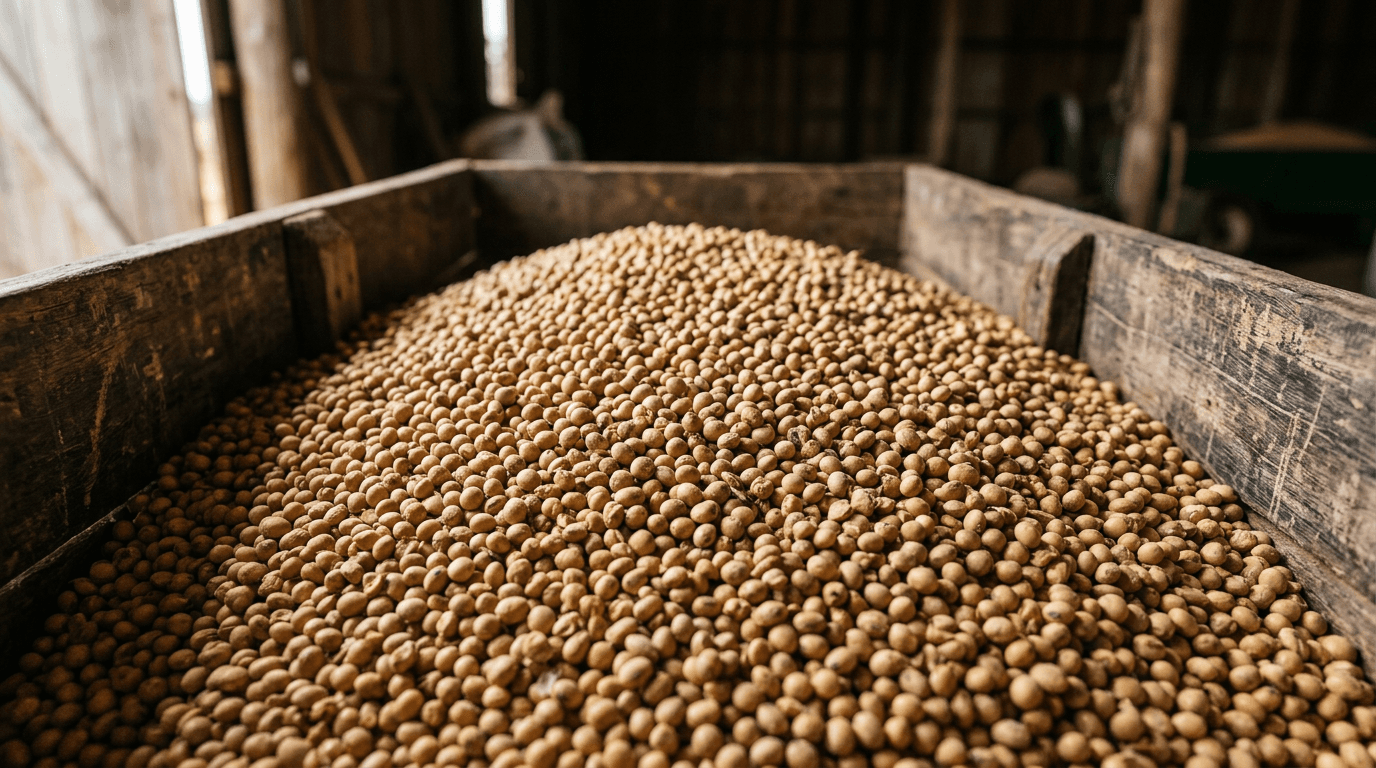
Global food trade shifts as EU-Mercosur pact opens South American ports
Six months into the provisional EU-Mercosur trade agreement, South American farm exports are reshaping global agricultural supply chains.
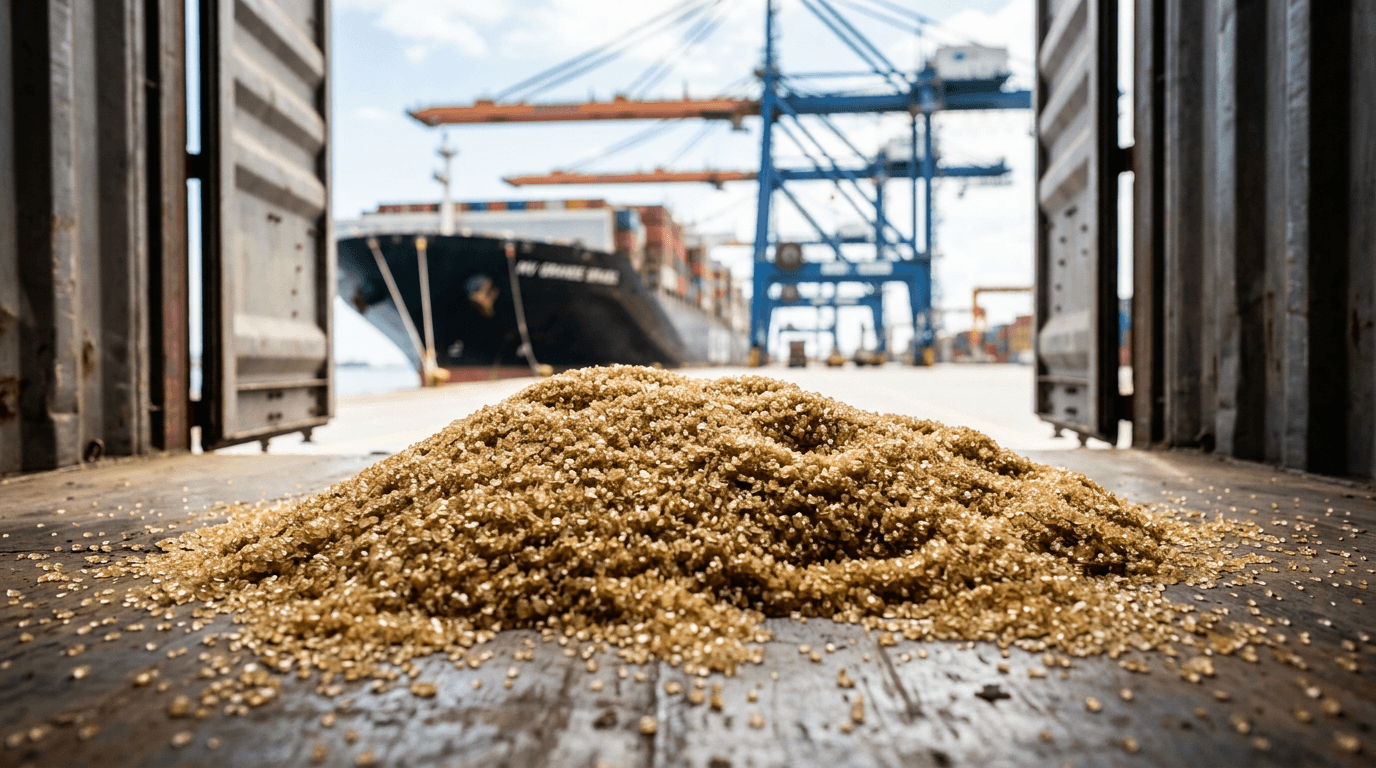
Global food supply chains are undergoing a structural reorganization, altering the flow of agricultural commodities and changing the competitive landscape for international agribusinesses. Six months into the provisional implementation of the trade agreement between the European Union and the Mercosur bloc of South American nations, agricultural exports from the region are experiencing a significant shift as new tariff-rate quotas and duty reductions take effect.
The trade pact, which was formally signed on January 17, 2026, in Asunción, Paraguay, after more than two decades of complex negotiations, has been provisionally applied since May 1, 2026. By bypassing some of the lengthy national ratification processes across Europe, the interim agreement immediately activated a commercial core that covers a combined market of over 700 million people. Under the provisional terms, the EU began phasing out duties on South American goods, immediately granting duty-free access to nearly 74% of its imports from the region and establishing preferential tariff-rate quotas for key agricultural products.
For Brazil, the bloc's economic heavyweight, the trade breakthrough represents a major victory for its dominant agricultural sector. President Luiz Inácio Lula da Silva has long championed the deal as a way to diversify Brazil's export destinations and reduce its reliance on single-market buyers like China. Though the agreement faced intense pushback from European farming lobbies and environmental groups concerned about deforestation, Brazil’s Congress ratified the EU-Mercosur trade deal's interim framework in early 2026, clearing the path for the May 1 rollout.
The immediate consequence of this trade corridor is a highly competitive surge in South American beef, poultry, sugar, and ethanol entering European ports. Under the negotiated terms, a tariff-rate quota allows 99,000 tons of South American beef to enter the EU annually at a reduced 7.5% tariff, while duties on other agricultural lines are scheduled to be phased out entirely over the next 10 to 15 years. This structural shift is forcing global agribusinesses to optimize their logistics, shifting processing capacity toward South American hubs to capture these newly opened margins.
However, the rapid expansion of trade is not without its hurdles. The full, permanent Partnership Agreement still requires ratification by all 27 EU member states. Furthermore, the European Parliament referred the agreement to the Court of Justice of the European Union (CJEU) shortly after its signing to review its compatibility with EU law. While this legal review introduces long-term policy risk, the provisional tariff reductions remain active and legally valid.
Corporate exposure to the trade corridor
For global businesses operating in the region, this shifting trade landscape directly impacts corporate operations and supply chain strategies. Multinational agricultural producers are adjusting their asset allocations to align with the new tariff structures.
For instance, Adecoagro S.A., a major agricultural company incorporated in Luxembourg and operating expansive farmland across Brazil and Argentina, manages large-scale production of sugar, ethanol, and grain. Similarly, JBS S.A., the Brazilian-headquartered protein processor, operates a vast global logistics network that is highly sensitive to changes in South American meat quotas destined for European markets. These companies illustrate how corporate supply chains are positioned to navigate the evolving regulatory and tariff environment between the two trading blocs.