
Why soybean futures are drawing heavy speculative bets in Chicago
Speculators hold a significant net-long position in Chicago Board of Trade soybeans, reflecting shifting global supply dynamics as Brazil enters its planting season.
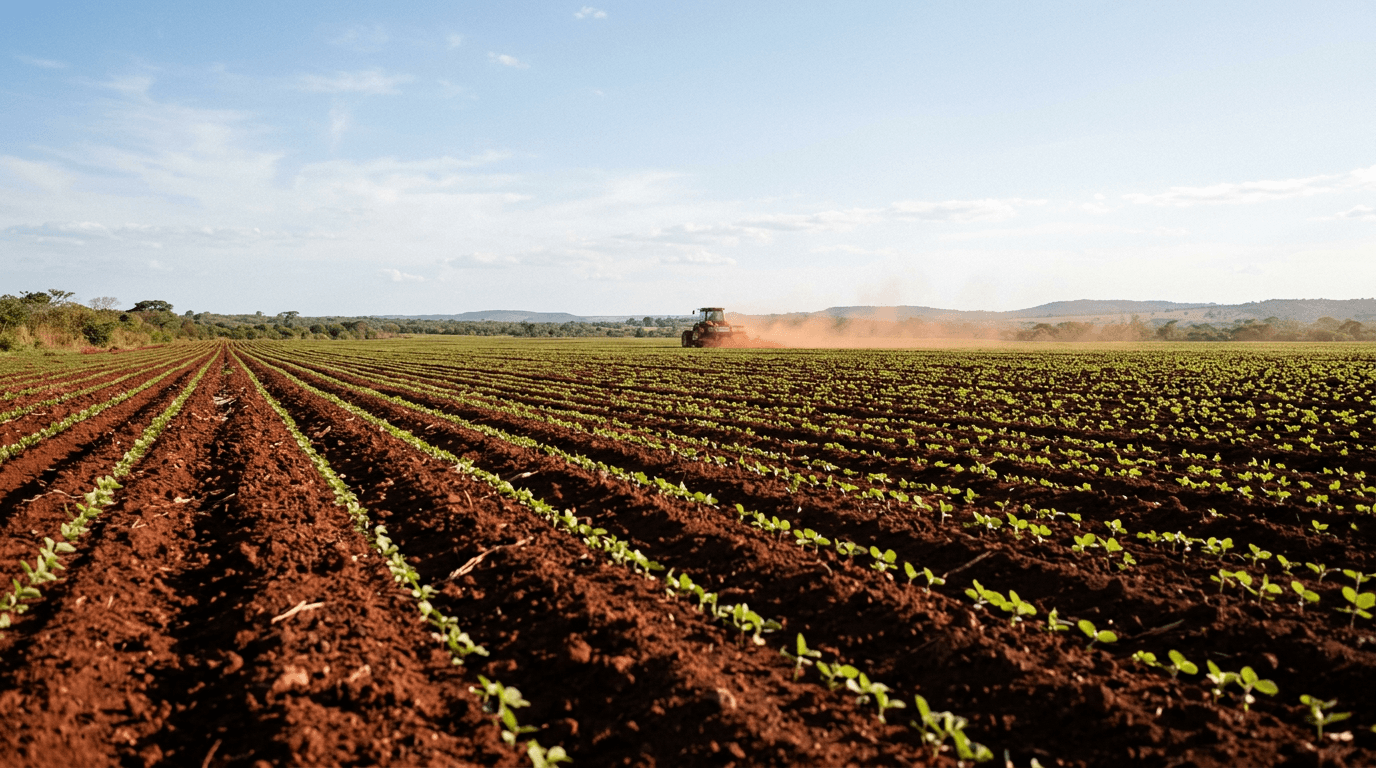
The price of everyday groceries in the United States is deeply tethered to the global trade of a single, versatile commodity: the humble soybean. For retail investors tracking inflation or holding broad commodity exchange-traded funds, the shifting sentiment of large institutional players in the agricultural futures markets offers a vital window into where food production costs are heading.
According to the weekly Commitments of Traders report from the U.S. Commodity Futures Trading Commission (CFTC), large speculators maintained a heavily bullish stance on Chicago Board of Trade soybean futures (contract 005602) for the week ending October 13, 2026. Non-commercial traders—the category representing hedge funds and large speculative money managers—held 356,266 long contracts compared to 85,167 short contracts, resulting in a net-long position of 271,099 contracts. Total open interest across the market stood at 1,072,235 contracts for the same period.
While these figures represent a snapshot of weekly positioning rather than a direct price forecast, they highlight how professional money managers are positioning themselves relative to global supply risks. The primary driver of this market sentiment is the critical planting window currently underway in Brazil, the world's largest exporter of soybeans. Because South American production heavily influences global prices, any weather disruptions or logistical bottlenecks in Brazil's agricultural heartland of Mato Grosso quickly reverberate back to the Chicago trading pits.
For global investors, tracking these agricultural flows is also a proxy for evaluating the broader economic health of Latin America's largest economy. Brazil's agricultural powerhouse status has made its currency and major domestic corporations highly sensitive to global commodity demand, particularly from China. This sector-specific exposure remains a key variable for foreign capital flows, which are heavily scrutinized ahead of the country's upcoming presidential election cycle where fiscal policies and agricultural subsidies are central debate topics.
In your brokerage app
For retail investors looking to capture exposure to global agricultural trends and the South American export engine, Adecoagro S.A. is listed in New York (NYSE: AGRO) and owns extensive farmland assets across South America. Investors seeking broader exposure to the region's equity market can also look to the iShares MSCI Brazil ETF, a fund that holds major Brazilian industrial, financial, and commodity-linked corporations.