
Why soybean futures are drawing big speculative bets right now
Speculators increased their net-long exposure to Chicago soybeans as of October 6, 2026, amid shifting supply dynamics and South American crop risks.
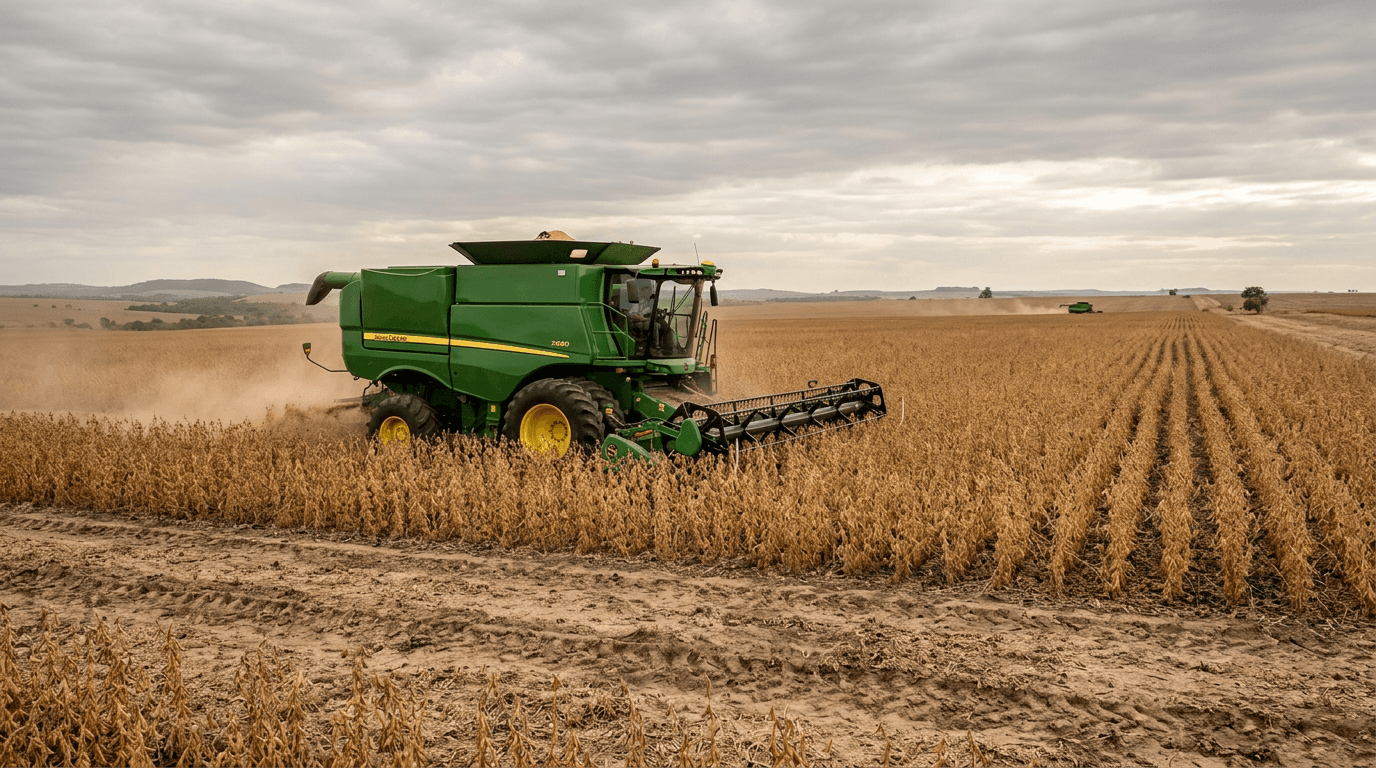
The price of the food on your dinner table and the performance of your diversified portfolio are quietly being shaped by a massive tug-of-war in the agricultural futures markets. For retail investors holding broad commodity baskets or agricultural funds, weekly positioning data offers a crucial window into where institutional money is placing its bets. In the grain markets, large speculators have recently doubled down on their expectations of supply disruptions, driving up long positions in key agricultural contracts.
According to the U.S. Commodity Futures Trading Commission (CFTC), non-commercial traders—the category representing large speculators and hedge funds—held a substantial net-long position in Chicago Board of Trade (CBOT) soybean futures as of October 6, 2026. On that observation date, these non-commercial players held 360,967 long contracts compared to 87,071 short contracts, resulting in a net-long position of 273,896 contracts. Total open interest for the soybean contract (code 005602) stood at 1,121,298 contracts.
While these figures represent a snapshot in time rather than a guaranteed price forecast, they highlight a market heavily braced for upward price pressure. The primary driver behind this speculative optimism lies in the Southern Hemisphere, specifically in Brazil, which has grown to become the world's largest exporter of soybeans. Weather disruptions in South America, including severe drought and shifting El Niño patterns, have threatened early planting efforts for the 2026–2027 crop cycle, causing global traders to worry about tight supplies.
For global investors, this creates a direct link between South American weather patterns and domestic inflation expectations. If Brazilian farmers face prolonged planting delays, Chinese buyers—who traditionally consume the bulk of global soy exports—are forced to turn back to U.S. growers, driving up domestic prices. However, this speculative congestion also carries risk: if South American rains arrive in abundance, a sudden liquidation of these massive long positions could trigger a sharp downward correction in grain prices.
In your brokerage app
For retail investors looking to track or gain exposure to these agricultural swings without trading complex futures contracts, the Teucrium Soybean Fund is listed in New York and offers a direct way to monitor the underlying CBOT soybean pricing. Additionally, diversified agricultural exposure can be found through the Invesco DB Agriculture Fund, which holds a mix of major grain and soft commodity contracts, including soybeans.