
AI data center boom triggers 8 GW in grid requests for CPFL Energia
Brazil's CPFL Energia faces 8 gigawatts in data center connection requests, highlighting the power grid bottlenecks challenging global tech infrastructure.
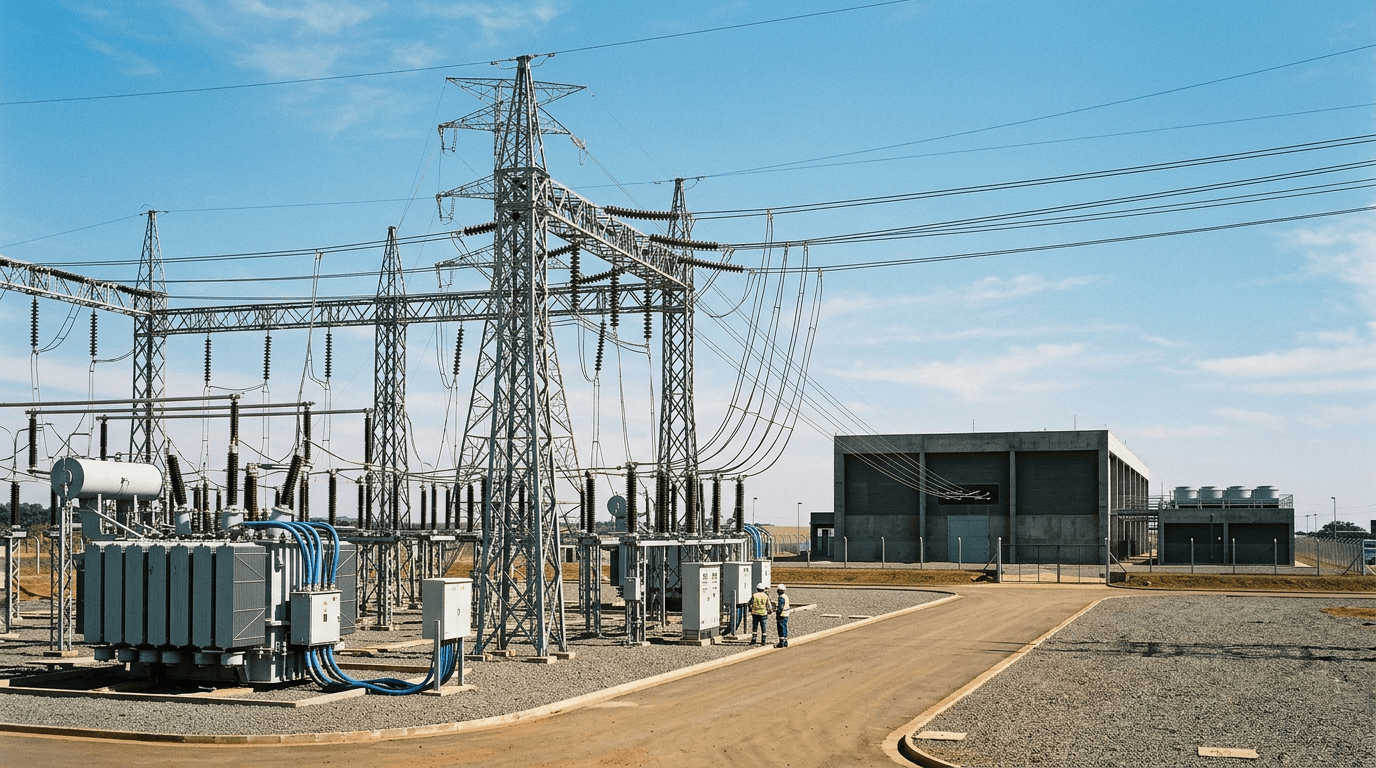
The global race to build artificial intelligence infrastructure is running directly into the physical limits of the power grid. While US tech giants plan billions of dollars in capital expenditure for computing clusters, securing the massive amounts of electricity required to run them has become the primary bottleneck for expansion. This infrastructure squeeze is now playing out acutely in Latin America's largest digital market, where local power utilities are being forced to turn away projects due to transmission constraints.
CPFL Energia S.A., one of Brazil's largest power distributors, received approximately 8 gigawatts (GW) in grid connection requests from data center developers over the last 18 months. To put that figure in perspective, 8 GW is eight times the current operating capacity of all data centers currently running in Brazil. CPFL, which is controlled by the state-owned State Grid Corporation of China, operates primarily in the state of São Paulo—specifically the Campinas region, which has consolidated as the main hub for the country's digital infrastructure.
The surge in demand is already showing up on the company's balance sheets, even as physical grid constraints limit new connections. Power consumption from data centers on CPFL's grid grew 30% in the first half of 2026, representing 9.3% of the utility's total commercial billing. However, CPFL's Chief Executive Officer, Gustavo Estrella, noted in August 2026 that the company has had to deny or stall a significant portion of these requests. While some requests represent speculative or duplicate filings, the sheer volume has exposed a severe mismatch between the rapid construction of modular data centers and the five-to-seven-year cycle required to build high-voltage transmission lines.
To address these structural bottlenecks, CPFL is executing a 31 billion reais ($5.6 billion) investment plan through 2030. The capital program focuses on upgrading and automating its distribution networks, while also exploring commercial battery storage systems to handle the highly variable power ramps associated with AI workloads.
For international investors, this infrastructure bottleneck highlights the broader political and regulatory risks of the region's energy transition. While Brazil offers abundant renewable energy, the regulatory framework governing grid access and the slow pace of federal transmission auctions remain key hurdles. How Brazil's electricity regulator, Aneel, and the national grid operator, ONS, manage these connection queues will determine whether the country can successfully position itself as a global safe haven for green AI processing.
In your brokerage app
CPFL Energia S.A. is listed in New York as an American Depositary Receipt under the ticker CPL, representing ownership in the underlying Brazilian utility company. The stock is also a holding in broad-market Latin American equities funds, such as the iShares MSCI Brazil ETF (EWZ).