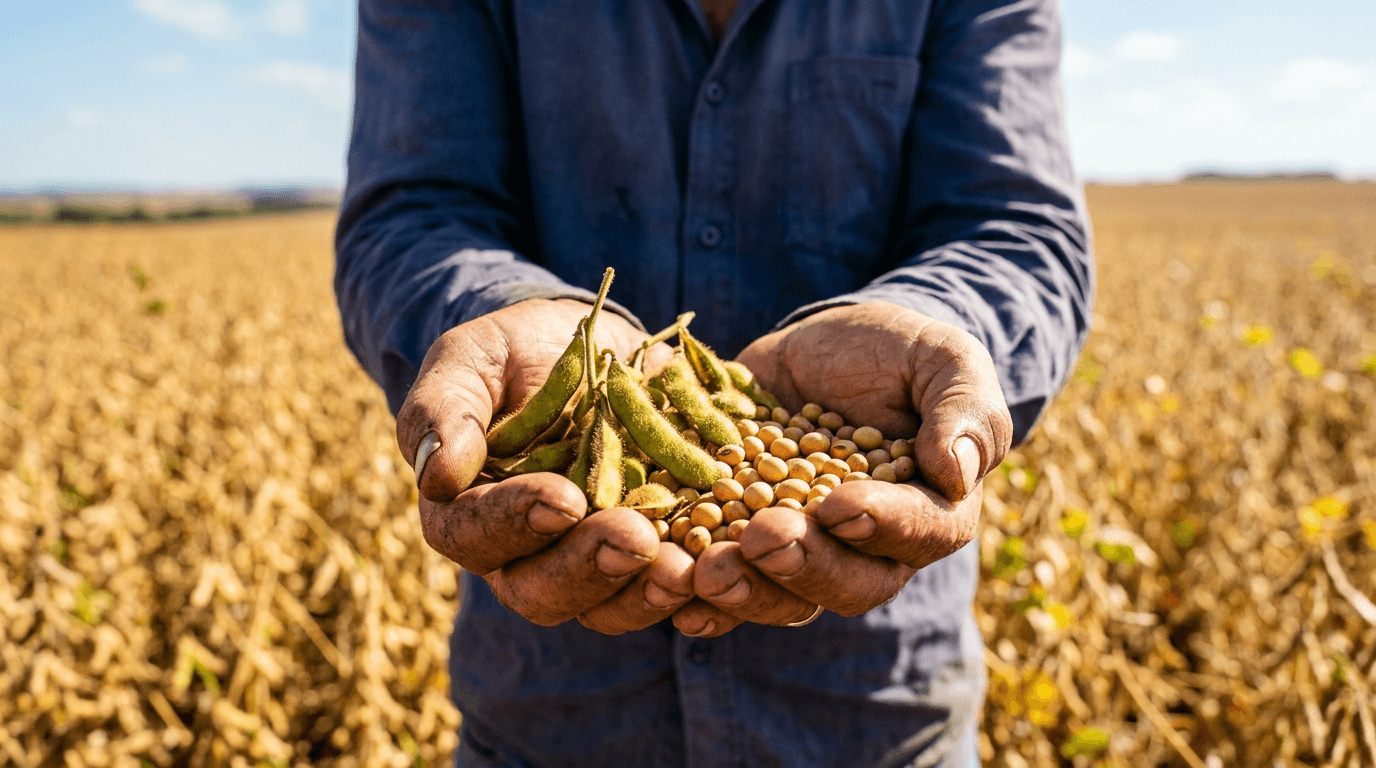
Why large soybean speculators are holding a net-long position
The CFTC reports speculative traders remain net-long on soybeans as of November 3, 2026, even as Brazil’s rapid planting pace pressures global prices.
Speculative traders in the Chicago agricultural markets are holding onto a net-long position in soybeans, even as a rapid harvest in the United States and fast-paced planting in South America keep a lid on global prices. According to the U.S. Commodity Futures Trading Commission (CFTC), non-commercial traders—the category that includes hedge funds and large speculative managers—held 239,253 long contracts compared to 75,635 short contracts as of November 3, 2026. This left the market with a net-long position of 163,618 contracts, out of a total open interest of 959,576 contracts.
While weekly trader positioning provides helpful market sentiment, it functions as a snapshot of past positioning rather than a direct price forecast. The data from November 3, 2026, shows that despite recent price pressure, large speculators have maintained a positive bias toward the oilseed. However, this sentiment is being tested by massive supply expectations coming out of Brazil, the world's largest soybean exporter.
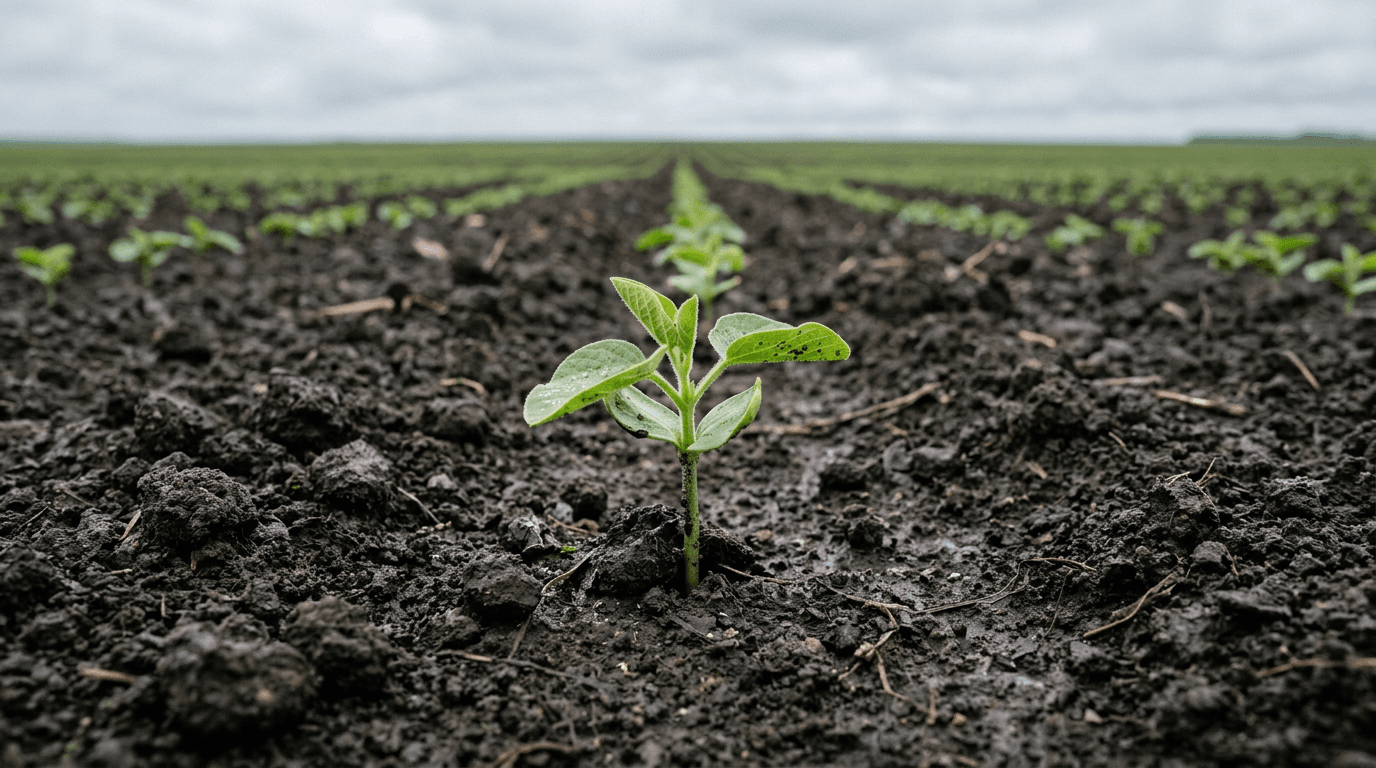
In Brazil, farmers are planting what is expected to be another massive crop at a historically fast pace. According to data from private consultancy Patria Agronegocios, Brazilian soybean planting reached 65% of the intended area by November 6, 2026, running well ahead of the 58% pace recorded at the same point in the previous year. This rapid progress has eased early-season worries about dry weather in central growing states like Mato Grosso, which is Brazil's top soybean-producing region.
The combination of a nearly complete, highly productive U.S. harvest and a smooth start to the South American growing season has kept global soybean prices under pressure. While the rapid planting pace in Brazil points to a potentially record-breaking harvest, agricultural analysts warn that the crop's final yield will ultimately depend on consistent rainfall returning to central Brazil during the critical pod-filling stages later in the season.
In your brokerage app
For retail investors tracking agricultural commodities, the global supply dynamics directly impact diversified agribusiness companies. Adecoagro S.A., a major agricultural and farmland company with extensive operations in South America, is listed in New York and can be held directly in U.S. brokerage accounts.