
Why grain traders are holding heavy soybean bets as US harvest peaks
Weekly CFTC data shows speculative traders holding a net-long position of 271,099 soybean contracts, keeping an eye on South American planting conditions.
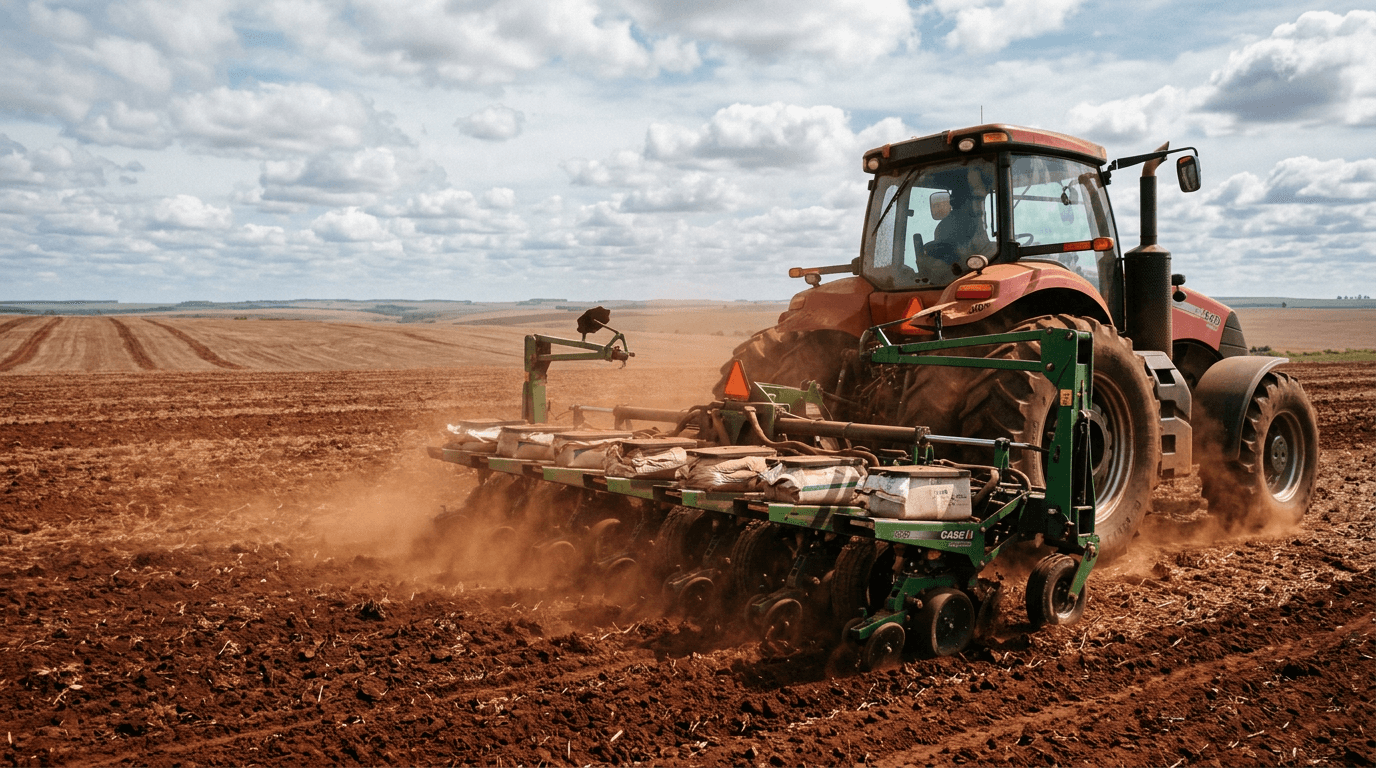
American retail investors tracking agricultural commodities or holding diversified grain exchange-traded funds (ETFs) are watching a seasonal tug-of-war play out on the Chicago Board of Trade (CBOT). As the autumn harvest sweeps across the US Midwest, putting downward pressure on spot physical prices, speculative financial players are adjusting their bets on where the global grain market goes next.
According to the weekly Commitment of Traders report released by the US Commodity Futures Trading Commission (CFTC), non-commercial traders held a net-long position of 271,099 contracts in CBOT soybeans (contract 005602) as of October 13, 2026. This positioning, representing 356,266 long contracts against 85,167 short contracts, occurred within a total contract open interest of 1,072,235. While weekly trader positioning provides crucial market context, commodity analysts caution that these figures reflect a historical snapshot rather than a reliable price forecast.
The underlying driver of this speculative sentiment stretches thousands of miles south to Brazil, the world's largest exporter of the oilseed. Brazilian farmers are currently embarking on their 2026/27 planting campaign under highly watched weather conditions. According to Brazil's National Supply Company (Conab) in its October 15, 2026 crop survey, the country's soybean planting area is projected to grow by just 1.4% to 49.3 million hectares. This represents the slowest rate of acreage expansion in two decades, forcing global markets to rely heavily on yield optimization rather than land growth to meet international demand.
Conab reported that soybean sowing was nearly 16% complete at the start of October 2026, a slight delay that does not structurally threaten the projected national output of 181.6 million tonnes but keeps a risk premium alive in international futures markets. For global investors, the combination of immediate US harvest supply and long-term South American production limits creates a complex corporate landscape. Large-scale farming operators in South America are navigating production costs that sit near decade highs due to elevated fertilizer prices and rigid borrowing costs.
In your brokerage app
For retail investors looking to capture exposure to South American agricultural operations rather than trading volatile futures contracts, Adecoagro S.A. is listed in New York. The Luxembourg-headquartered company owns and operates extensive farmland assets across Brazil and Argentina, producing soybeans, sugar, and ethanol. Its performance is heavily tied to regional weather patterns and global commodity pricing cycles.