
Vale Sells Canadian Nickel Complex to Focus on Core Assets
Brazilian mining giant Vale has finalized the sale of its Thompson nickel operations in Canada to an Exiro-led consortium, retaining a minority stake and securing a long-term supply agreement.
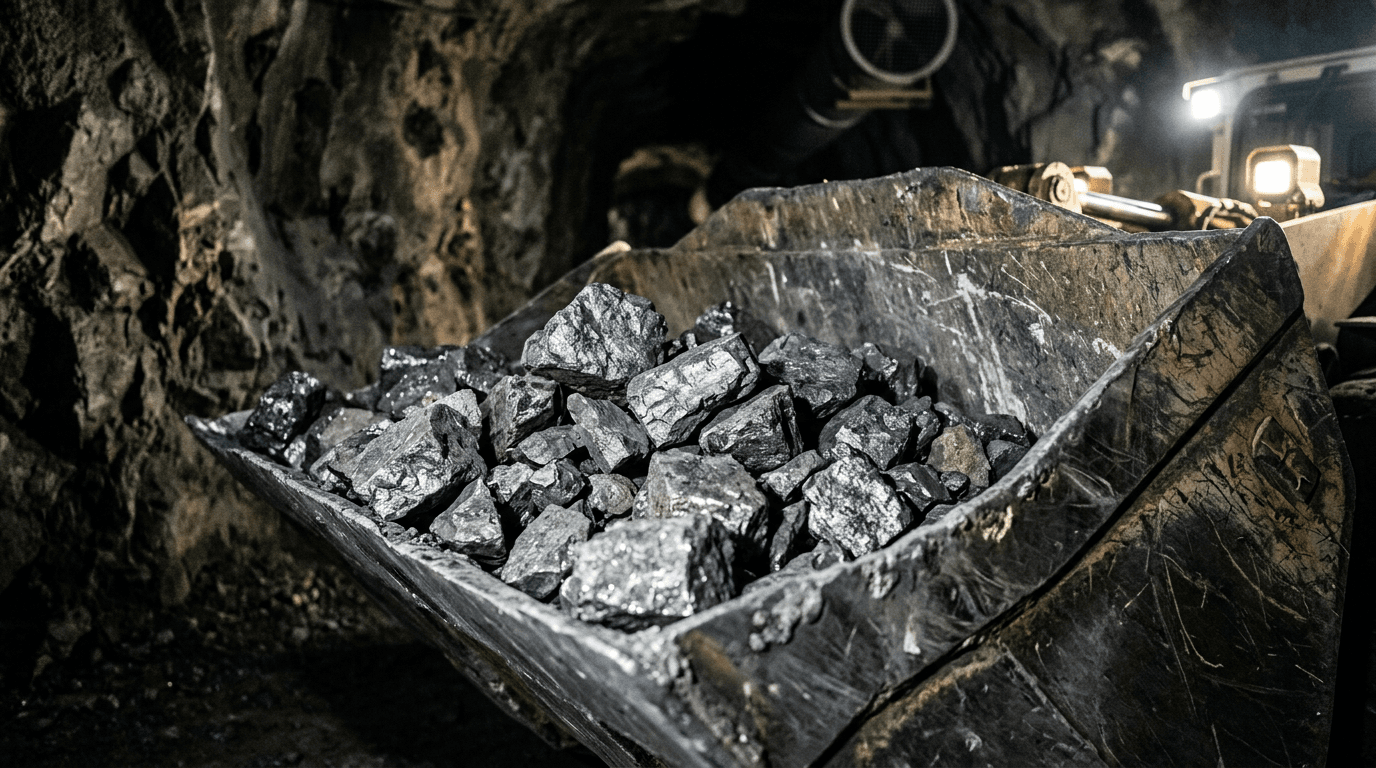
A major piece of the global electric vehicle supply chain changed hands today, shifting how one of the world's largest mining companies allocates its capital. On October 16, 2026, the Canadian government and corporate partners announced the completed sale of the historic Thompson Mine Complex in Manitoba, Canada, to a newly formed, specialized operator.
The seller is Vale Base Metals, a subsidiary of the Brazilian mining giant Vale S.A., which has spent decades operating the massive underground nickel mines. Under the finalized agreement, a consortium led by Toronto-based Exiro Minerals, New York's Orion Resource Partners, and the federal Canada Growth Fund has acquired an 81.1% controlling stake in the newly formed Exiro Nickel Company. Vale will retain an 18.9% minority interest in the business.
The transaction brings up to US$200 million (approximately CAD$280 million) in fresh capital to the Thompson operations. The Canada Growth Fund, an arm's-length public investment vehicle designed to attract private capital to Canada's clean economy, is contributing up to US$85 million of that total. The capital injection is aimed at executing a comprehensive operational turnaround, funding deeper exploration, and securing the future of approximately 675 local jobs.
For Vale, the transaction marks the conclusion of a strategic review of its Thompson operations that began in early 2025. By offloading day-to-day operational control and the heavy capital expenditures required to mine deeper ore bodies, the Brazilian parent company can redirect its resources toward its core iron ore and copper assets. However, Vale is not walking away from the critical battery metal; the company has signed a multi-year offtake agreement to purchase the nickel concentrate produced at the Thompson mill.
The Thompson Nickel Belt is the fourth-largest Class 1 nickel sulphide resource globally, and the Thompson complex alone accounts for 10% to 15% of Canada's total annual nickel production. By restructuring the ownership, the Canadian government aims to protect its domestic supply chain for electric vehicle batteries and stainless steel while Vale retains a steady, low-risk stream of the raw material.
In your brokerage app
Vale S.A. is listed in New York and remains a major component of broad emerging-market exchange-traded funds, such as the iShares MSCI Brazil ETF. Investors holding the company's shares may see the transaction as a move to streamline operations and improve cash flow, as Vale sheds heavy capital expenditure commitments in Canada while retaining access to the high-grade nickel necessary for the global energy transition.