
CBOT Soybean Speculators Hold Heavy Net-Long Positions
CFTC data shows non-commercial traders held a net-long position of 273,896 soybean contracts, reflecting speculative sentiment amid global supply shifts.
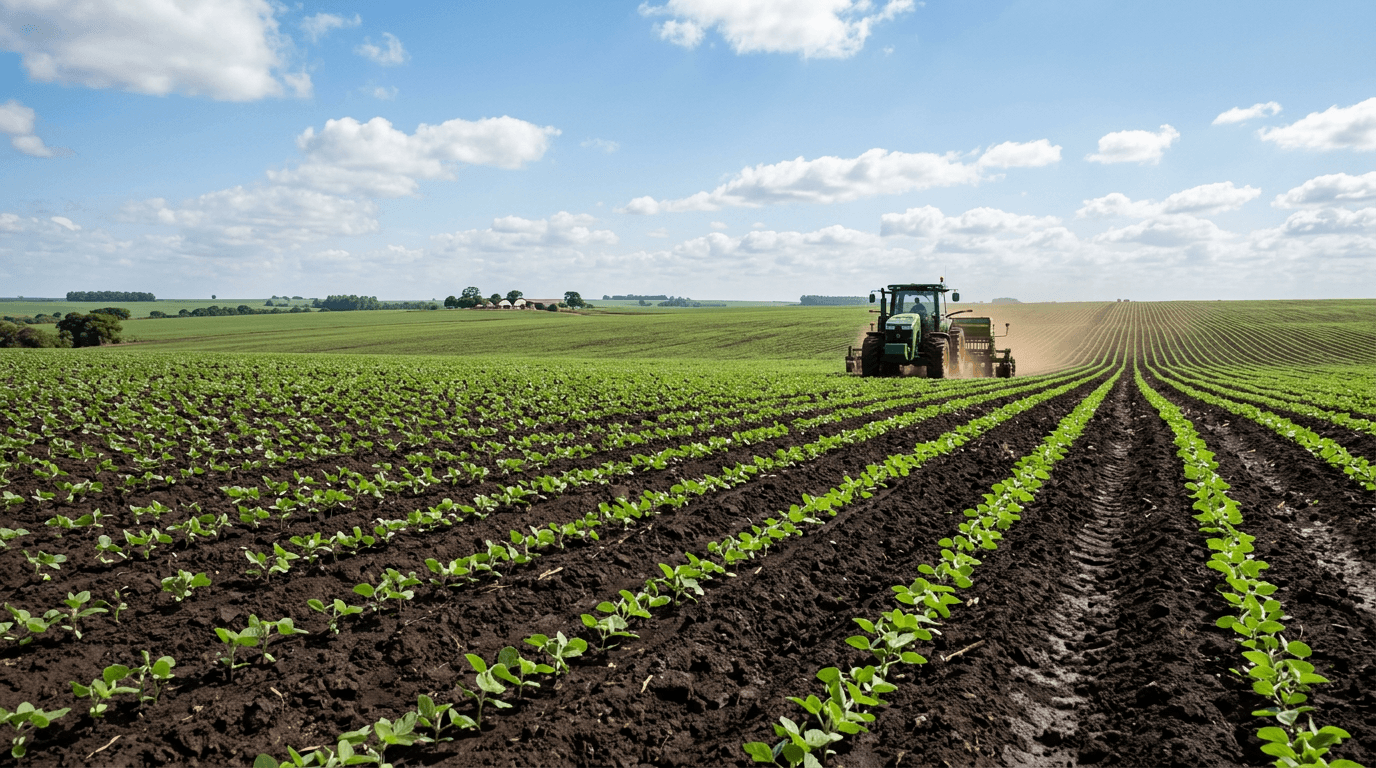
Speculative traders in Chicago are holding a heavily bullish stance on agricultural commodities, reflecting a complex global supply outlook. According to the U.S. Commodity Futures Trading Commission (CFTC) Commitments of Traders report for the observation date of October 6, 2026, non-commercial traders—often referred to as large speculators—held a net-long position of 273,896 contracts in Chicago Board of Trade (CBOT) soybeans (contract 005602). This positioning came as speculative long positions reached 360,967 contracts against 87,071 short contracts, with the total contract open interest standing at 1,121,298.
While these figures represent a snapshot of speculative sentiment in the U.S. futures market, the underlying physical reality of the soybean market is heavily anchored in South America. Brazil is the world's largest exporter of soybeans, making its domestic agricultural policies and planting progress a primary driver of Chicago prices. Global commodity traders closely monitor the Brazilian National Supply Company (Conab), the state agency responsible for crop forecasting, alongside the Brazilian Ministry of Agriculture, as any weather disruptions or logistical bottlenecks in the country's main agricultural states, such as Mato Grosso, quickly translate into price volatility on the CBOT.
For global investors, this speculative positioning provides critical context rather than a direct price forecast. The heavy net-long bias in early October 2026 occurred just as the market prepared for crucial supply updates, including the U.S. Department of Agriculture's (USDA) World Agricultural Supply and Demand Estimates (WASDE). Speculative positions can shift rapidly when physical market realities—such as the pace of the Brazilian planting season or import demand from China—diverge from paper market expectations.
Furthermore, the broader Brazilian economic landscape remains a key variable for agricultural exporters. Fluctuations in the Brazilian real against the U.S. dollar directly influence how aggressively Brazilian farmers sell their crops, as a weaker local currency boosts their profit margins in local terms. Consequently, political risks, fiscal debates in Brasília, and monetary policy decisions by the Central Bank of Brazil (Banco Central do Brasil) can indirectly sway Chicago soybean prices by altering the flow of physical grain onto the global market.
In your brokerage app
While retail investors rarely trade futures contracts directly, they can gain exposure to Brazilian agricultural dynamics through equities and exchange-traded funds. Adecoagro S.A., a major agricultural and land development company operating in South America, is listed in New York. For broader exposure to the Brazilian corporate sector, investors often look to the iShares MSCI Brazil ETF, a prominent exchange-traded fund that tracks the country's largest publicly traded enterprises and is heavily influenced by macroeconomic trends in the commodity-exporting nation.