US and Brazil Set to Open Formal Trade Talks After Tariff Dispute
The U.S. and Brazil are launching a bilateral working group to negotiate tariff relief following the implementation of 25% duties on Brazilian imports.
The United States and Brazil are moving toward formal trade negotiations to resolve a high-stakes trade dispute that has disrupted bilateral commerce between the two largest economies in the Americas. Following a year of rising friction, the Office of the U.S. Trade Representative (USTR) finalized an additional 25% tariff on a wide range of Brazilian imports under Section 301 of the Trade Act of 1974, which took effect on July 22, 2026.
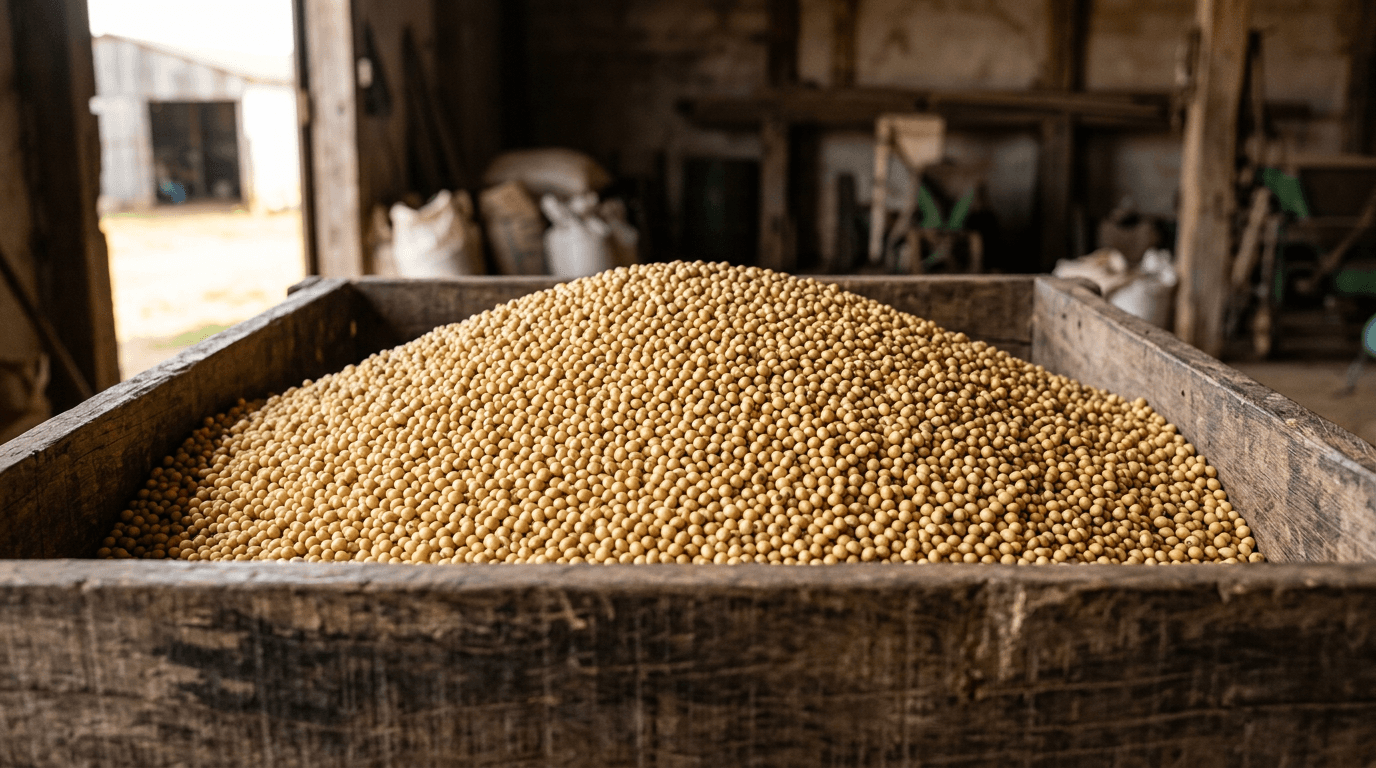
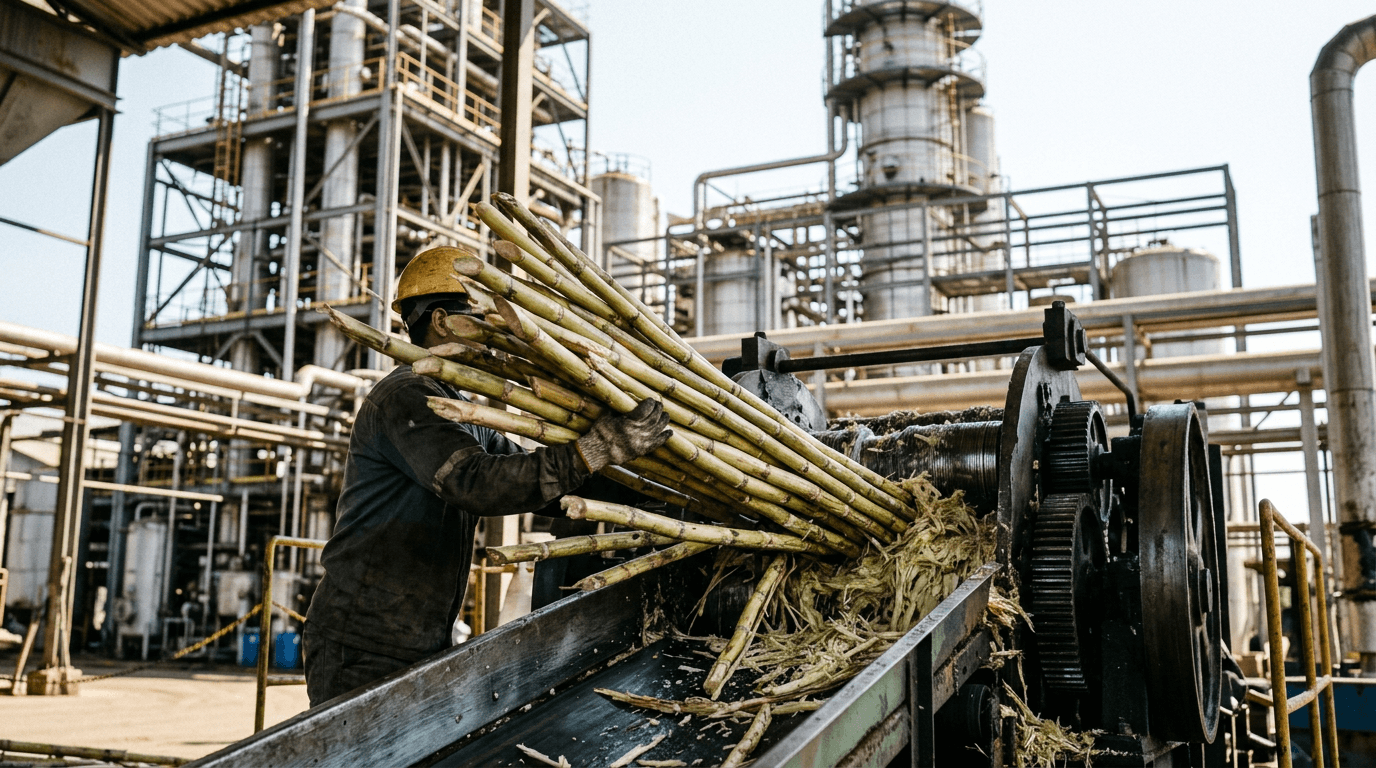
The tariffs were the result of a yearlong USTR investigation initiated in July 2025. According to the official USTR announcement on July 15, 2026, U.S. Trade Representative Jamieson Greer cited several grievances, including Brazil’s barriers to digital trade and electronic payment services, preferential tariffs, lack of intellectual property protections, thin anti-corruption enforcement, and failure to curb illegal deforestation in the Amazon. While major commodities like beef, coffee, and orange juice remain exempt, other exports such as ethanol, sugar, and footwear are subject to the 25% duties.
The bilateral dispute has introduced fresh economic friction, prompting Brazil's government to explore retaliatory measures under its domestic Trade Reciprocity Law and contemplate challenges at the World Trade Organization. However, diplomatic channels have reopened. During G20 trade ministers' meetings on September 30, 2026, in Milwaukee, Wisconsin, Brazilian Trade Minister Márcio Elias Rosa and Foreign Minister Mauro Vieira met with USTR head Jamieson Greer. The two sides agreed to establish a bilateral working group to seek a negotiated resolution.
According to an official statement from Brazil’s Ministry of Development, Industry, Trade and Services (MDIC), the U.S. government is expected to submit a formal document outlining a proposal to define the scope of negotiations, covering both tariff and non-tariff issues. Minister Rosa expressed optimism following the Milwaukee meeting, stating that Brazil is in a "new phase" of negotiations and is pushing for a "full tariff reduction" to address the Section 301 duties alongside separate U.S. steel and aluminum tariffs.
The trajectory of these trade negotiations remains a critical variable for the bilateral relationship. If the upcoming U.S. proposal demands regulatory concessions that Brasília deems a threat to its domestic policies—such as alterations to its popular Pix instant payment system—talks could stall, leaving the punitive duties in place. Conversely, a successful negotiation could lead to a rollback of the trade barriers implemented in July 2026.
Investor context
For global investors tracking the macroeconomic impact of these trade tensions, the dispute primarily affects broad-market sentiment rather than specific corporate giants. The iShares MSCI Brazil ETF, listed in New York, serves as a common benchmark for the Brazilian equity market. While the fund's largest holdings—such as iron ore exporter Vale and major commercial banks—are not directly targeted by the Section 301 import duties, a prolonged trade dispute with the U.S. presents a broader macroeconomic headwind for the Brazilian currency and corporate sentiment.