US farmers lose ground as China shifts non-soy trade to Brazil
A Reuters analysis of Chinese customs data reveals US non-soy agricultural exports to China hit a seven-year low, as Brazil captures key market share.
American grain and livestock producers are facing a quiet but severe contraction in export demand as Chinese buyers shift their purchasing power away from the United States. While high-profile soybean shipments continue to move, a wide array of other American agricultural goods is being systematically displaced by cheaper, rapidly expanding alternatives from South America.
According to a Reuters analysis of Chinese customs data published on November 2, 2026, China’s imports of US agricultural products excluding soybeans totaled just $7.2 billion between January and September 2026. This represents the lowest import value for that specific nine-month period since 2019, a year that marked the height of the first Washington-Beijing trade war. The slow buying pace directly threatens to undermine Beijing's commitment, announced by the White House in May 2026, to purchase $17 billion in additional US farm goods annually.
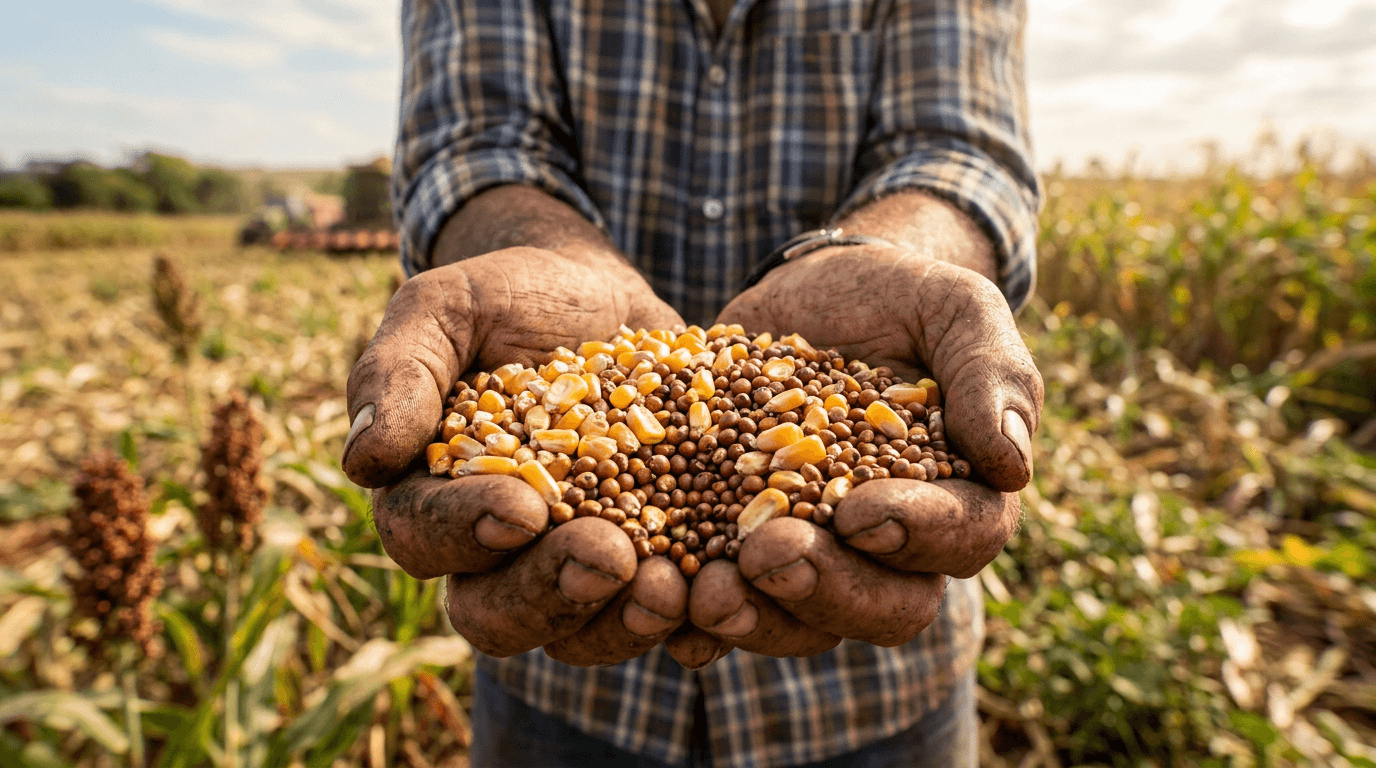
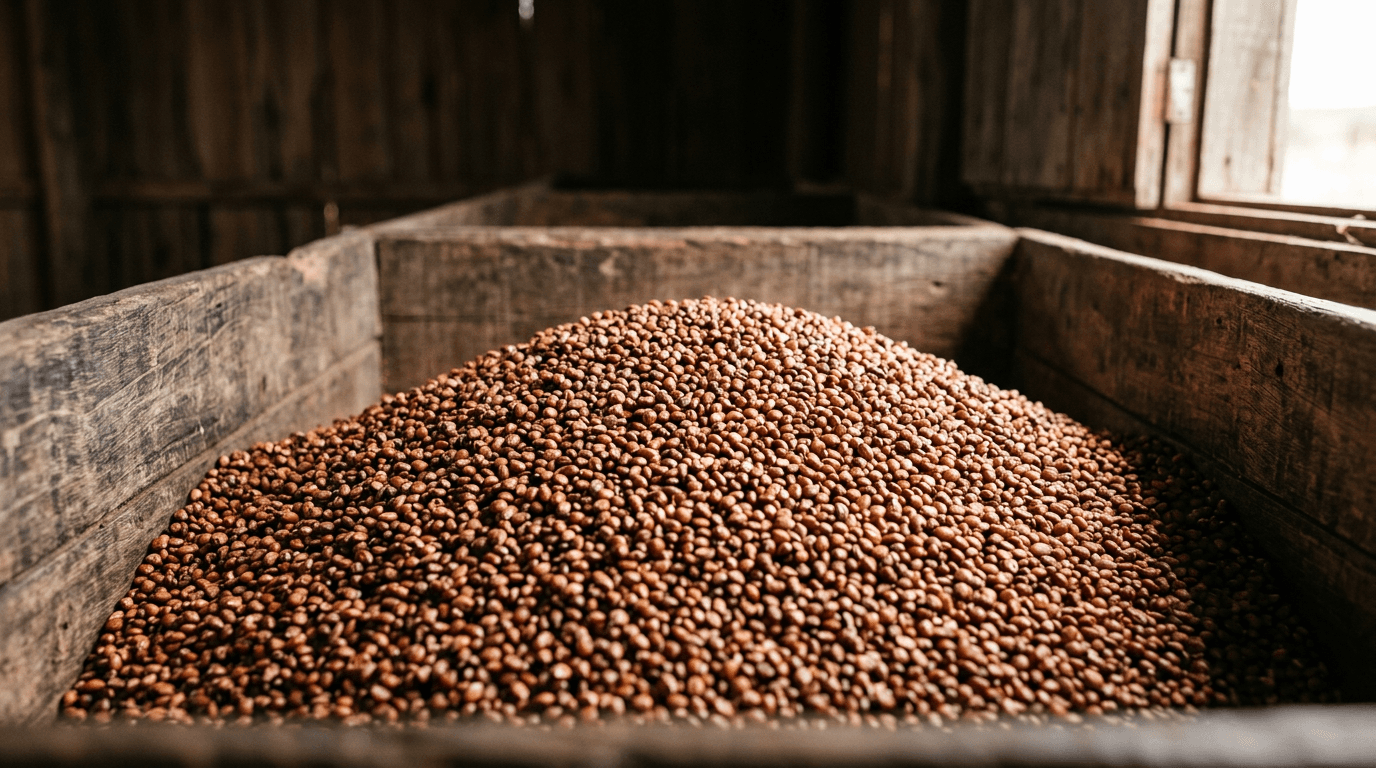
Brazil is aggressively capturing the market share that US farmers are losing. The most striking example is in the sorghum market, a crop historically dominated by US exporters. After securing critical market access to China in September 2025, Brazilian sorghum shipments to Chinese ports reached 1.7 million metric tons in 2026. Eduardo Vanin, a senior agricultural strategist at brokerage Marex, noted in a November 2, 2026 market update that Brazil has nearly another 1 million metric tons already scheduled for shipment. By contrast, US sorghum sales to China have dried up over the last four months of 2026.
Structural Shifts and Price Pressures
The shift is not merely political; it is deeply structural. Brazil’s agricultural sector has undergone a massive expansion, utilizing sorghum as a highly resilient "second crop" planted immediately after the summer soybean harvest. This has allowed Brazilian producers to offer highly competitive pricing that US elevators cannot easily match.
Meanwhile, US corn exports to China are also struggling. State-backed Chinese broker COFCO Futures estimated in October 2026 that US corn imports will fall to just 900,000 metric tons for the 2026/27 marketing year, which began in September 2026, because ample domestic supplies and cheaper global alternatives have left US grain uncompetitive.
US meat exports to China are facing similar economic headwinds. While the White House announced renewed Chinese export licenses for more than 400 US beef plants in May 2026, high domestic cattle prices—driven by multi-year US herd liquidations—have made American beef expensive. Simultaneously, China is experiencing a domestic oversupply of pork and poultry, further dampening its appetite for foreign meat and leaving US cold-storage facilities heavily supplied.
Without direct intervention from Chinese state-owned enterprises to artificially boost purchases of US corn, sorghum, and pork, market analysts expect the $17 billion annual target will be difficult to meet. Darin Friedrichs, co-founder of the China-focused agricultural market intelligence firm Sitonia Consulting, noted on November 2, 2026, that it is highly difficult to reach the non-soybean target without directed, non-market purchases by state-owned enterprises. The data suggests Brazil has expanded from a seasonal soybean supplier into a broader multi-commodity exporter.