
Speculators hold heavy net-long position in Chicago soybean futures
CFTC data shows non-commercial traders held a net-long position of 246,596 soybean contracts, reflecting global supply dynamics shaped by Brazil's upcoming harvest.
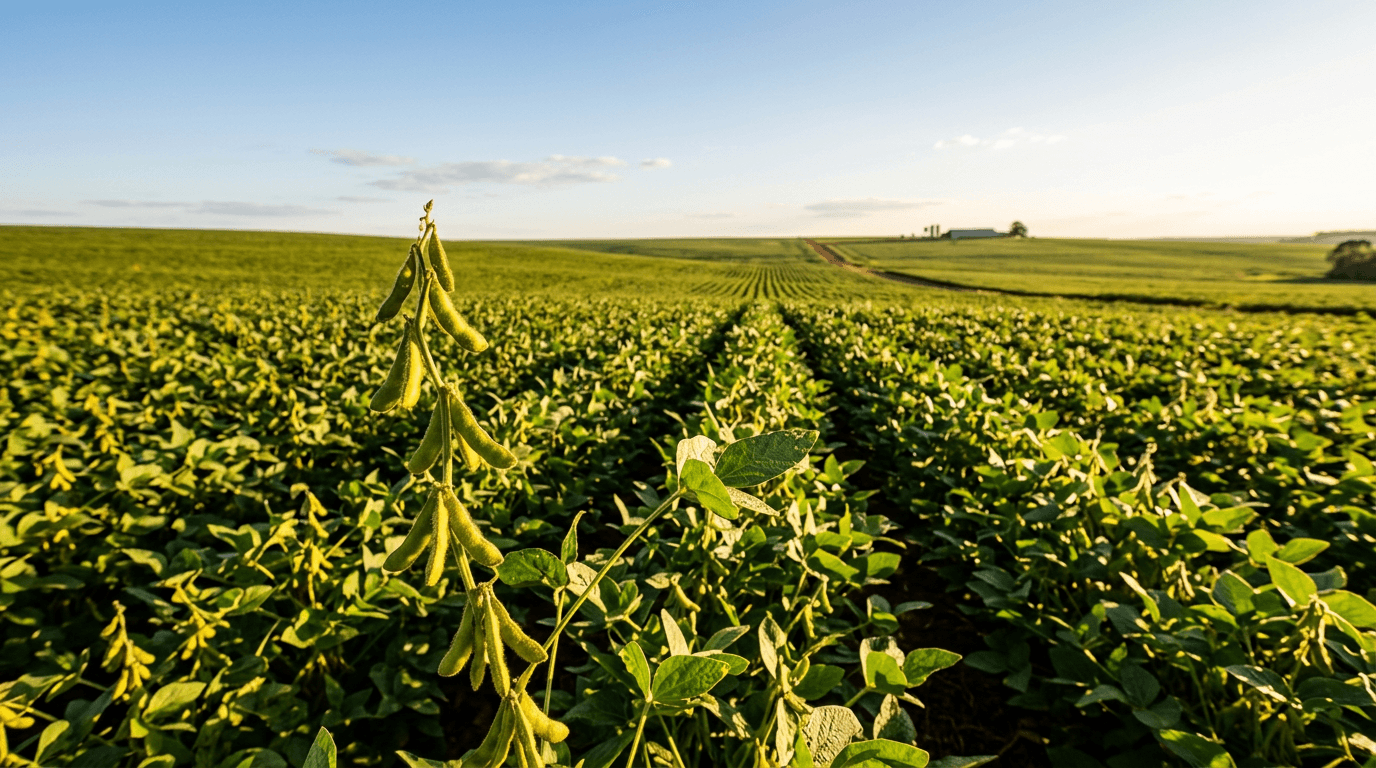
The price of everyday groceries and animal feed in the United States remains highly sensitive to the positioning of large financial speculators in the global agricultural markets. When hedge funds and institutional money managers pile into or out of crop contracts, the ripple effects eventually reach the balance sheets of major food processors and the retail prices paid by consumers.
According to the weekly Commitments of Traders report released by the U.S. Commodity Futures Trading Commission (CFTC) for the observation date of October 20, 2026, non-commercial speculators held a substantial net-long position of 246,596 contracts in Chicago Board of Trade (CBOT) soybeans. This net position was built on 330,528 long contracts (bets that prices will rise) against 83,932 short contracts (bets that prices will fall), within a total market open interest of 1,093,612 contracts.
While these figures reflect trading activity on the Chicago exchange, the underlying fundamentals of the soybean market are increasingly dictated by South America. Brazil is the world's largest exporter of soybeans, and its planting progress and weather patterns are the primary drivers of global price discovery. Speculative positioning in Chicago often acts as a mirror for how international investors view the risks surrounding Brazil's upcoming harvest, which begins early next year.
For global investors, this speculative appetite highlights the critical role of South American agricultural giants. Brazilian farmers have expanded their planted acreage significantly over the past decade, making the country the dominant supplier to key markets like China. Any disruption to Brazil's crop—whether from adverse weather patterns or logistical bottlenecks at its ports—directly impacts the value of these financial contracts in Chicago and the margins of multinational agribusinesses.
In your brokerage app
If you hold shares of agricultural companies or broad emerging market funds in your brokerage account, your portfolio is directly exposed to these global crop dynamics. You can track this exposure through Adecoagro S.A., a major South American agricultural and farmland company listed in New York, or JBS S.V., the global protein giant listed in New York, which relies heavily on soybean meal as a primary input for its livestock operations. Broad exposure to the country's corporate sector is also available through the iShares MSCI Brazil ETF, the largest exchange-traded fund tracking Brazilian equities.