
Speculative Traders Hold Massive Net-Long Position in Soybeans, Signaling Optimism for Brazil’s Record Export Season
Non-commercial traders on the Chicago Board of Trade hold a net-long position of over 281,000 soybean contracts, reflecting strong sentiment for the commodity at a time when Brazil is solidifying its role as the world’s leading exporter.
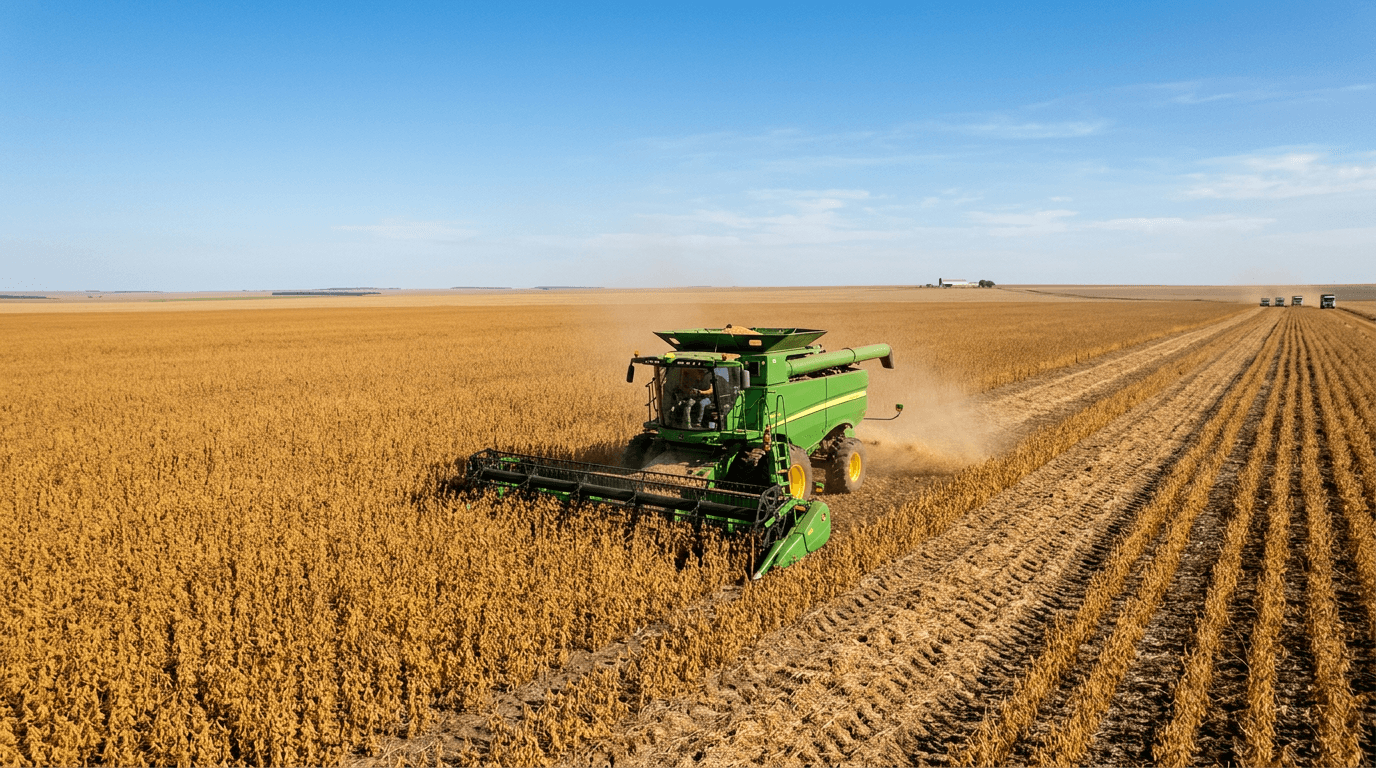
Non-commercial traders on the Chicago Board of Trade (CBOT) held a massive net-long position of 281,581 contracts in soybean futures as of September 22, according to the latest Commitments of Traders (COT) report released by the U.S. Commodity Futures Trading Commission (CFTC). This represents a clear sign of speculative bullishness for the commodity, which sits at the center of Brazil’s powerful agricultural economy.
The report, a regular weekly snapshot of market positioning, showed that the non-commercial segment—which includes hedge funds and other managed money—held 370,525 long positions compared to only 88,944 short positions in the Soybeans contract (005602). This net figure is a key indicator of market sentiment, suggesting that large speculators are betting on a continued strength or potential rise in soybean prices, despite a total contract open interest of 1,114,328.
The positioning in Chicago, while an American market measure, has significant implications for Brazil, which has cemented its position as the world’s largest soybean producer and exporter. Brazilian farmers recently harvested a record crop, estimated at around 180.5 million tonnes for the 2025/26 season, and are preparing for the next cycle. The prevailing optimism among futures traders on the CBOT provides a crucial backdrop of price support for Brazilian agricultural exports just as the planting season for the 2026/27 crop is getting underway in key states like Mato Grosso and Paraná.
Brazilian government and industry forecasts for the upcoming Brazil soybean harvest remain historically strong, with the National Supply Company (Conab) recently projecting another record of 181.64 million tons, driven by a modest increase in planted area. However, other analysts have signaled potential headwinds, including tighter credit for farmers and the threat of El Niño weather patterns bringing moisture deficits to northern Brazil. This large speculative position in the U.S. market helps establish a baseline price environment for what will be another crucial Brazil economy cycle for the country’s vast agronegócio.
The sustained global demand, especially from China, is the primary driver of the positive outlook, pushing Brazilian exports toward a forecast of over 115 million tonnes for 2026. The high volume of non-commercial long positions suggests that professional traders view any potential disruptions—whether weather-related in South America or trade-related between the U.S. and China—as more likely to drive prices higher than lower.
What it touches
The outlook for soybean prices directly impacts the revenues of publicly traded companies tied to the Brazil economy’s agribusiness supply chain. This includes major food processors and exporters like JBS S.A. (NYSE: JBS), which is a key player in the global protein market and relies on feed inputs, as well as companies with extensive landholdings and farm operations such as Adecoagro S.A. (NYSE: AGRO). Higher commodity prices generally flow through to support the wider Brazil agricultural sector.
Related coverage
Markets
Brazil Federal State-Owned Companies Post Record R$1.76 Billion August Surplus, First Positive Monthly Balance of 2024
Published
Markets
Speculators Hold Near-Record Long Position in Chicago Soybeans as Brazilian Planting Nears
Published
Markets
Brazil’s Central Bank Data Shows PIX Transactions Plummet 10% After Betting Ban
Published