
Lula warns of opponent's spending cuts as Brazil runoff tightens
President Lula da Silva warns voters that conservative rival Flávio Bolsonaro will slash social programs, as polls show a tight race ahead of the October 25 runoff.
In a high-stakes bid to rally his base ahead of a razor-thin presidential runoff, Brazilian President Luiz Inácio Lula da Silva has pivoted sharply toward warning voters about the fiscal plans of his opponent. Speaking to a campaign crowd in Natal, the capital of the northeastern state of Rio Grande do Norte, on October 10, 2026, the veteran leftist leader declared that a conservative victory would result in severe austerity. The aggressive rhetoric signals a highly polarized final stretch as both campaigns fight for every vote.
Standing alongside local allies in the commercial hub of Alecrim, Lula framed the upcoming election as a choice between social preservation and aggressive fiscal tightening. He took direct aim at his conservative rival, asserting that the opposition's economic proposals would harm ordinary citizens. The president's speech sought to draw a stark line between his state-led development model and the market-friendly policies of his opponent, warning that a conservative administration would dismantle vital public support systems.
The sudden escalation in defensive messaging comes as the latest polls show Lula in a precarious position. A Datafolha poll released on October 8, 2026, showed conservative challenger Flávio Bolsonaro—son of former President Mark Bolsonaro—leading Lula by 49% to 45% in total voting intentions ahead of the decisive October 25 runoff. Facing the very real prospect of electoral defeat, Lula is leveraging deep-seated social concerns to mobilize undecided voters and combat high abstention rates, particularly in his traditional stronghold of the Northeast.
Social Programs Versus Fiscal Cuts
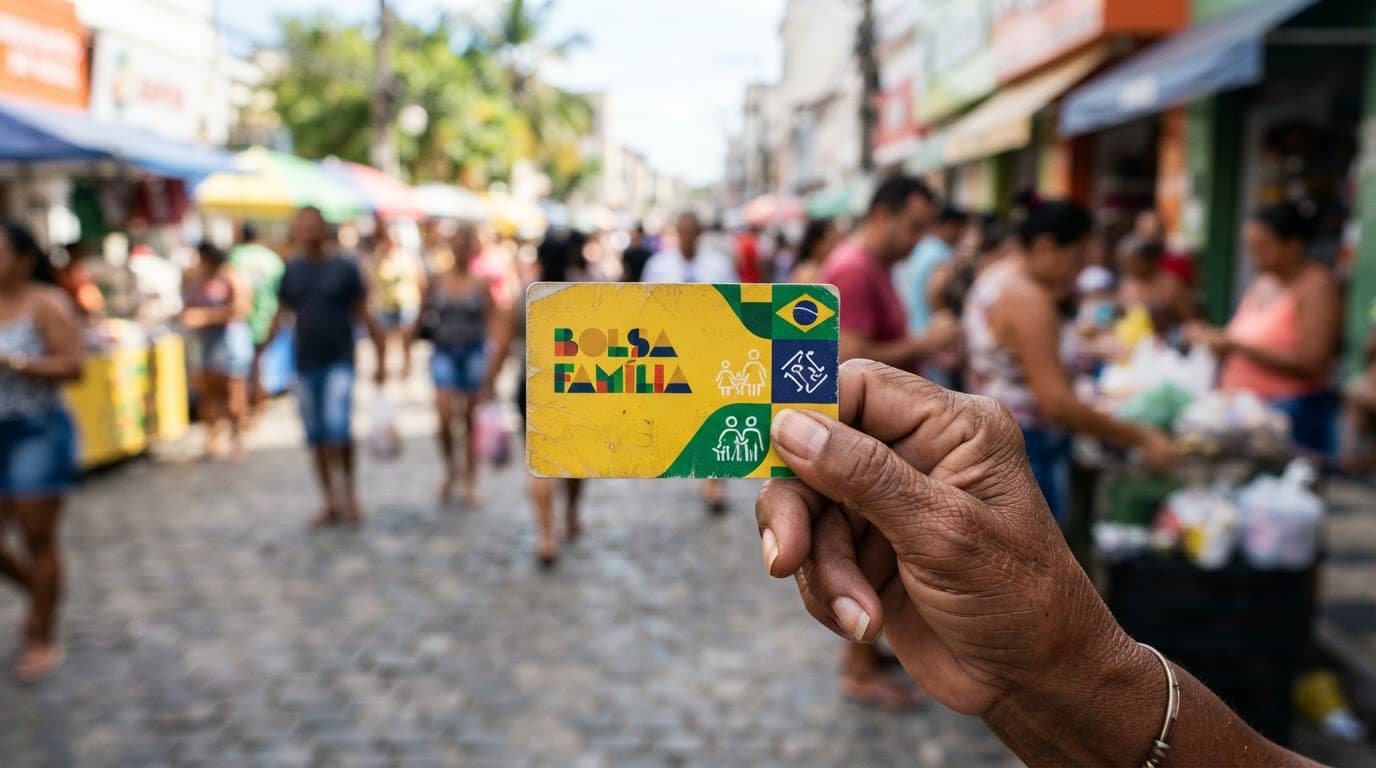
During his address, Lula launched a preemptive strike against the opposition's economic platform, specifically targeting proposals to slash public expenditures. He warned that a Bolsonaro administration would implement severe fiscal cuts, questioning which public services or social safety nets, like the Bolsa Família welfare program, would be targeted to meet these spending reduction goals. By linking the preservation of social programs to his reelection, Lula is attempting to convince lower-income voters that their personal economic security is directly at stake.
This ideological clash highlights the deep divide in how both campaigns view fiscal responsibility and state spending. While the conservative opposition advocates for deregulation, administrative reform, and significant spending cuts to stabilize the national debt, Lula’s Workers' Party (PT) is doubling down on state-led social investment. For international observers and domestic voters alike, this rhetoric underscores the starkly different economic paths Brazil might take depending on the outcome of the October 25 vote.