
Brazil today: Runoff clashes and court rulings reshape the landscape
A pivotal court decision in Rio and intense campaign clashes over labor laws and foreign alliances set the stage for Brazil's high-stakes presidential runoff.
Brazilians are navigating a fast-moving political and corporate landscape as the country heads toward a highly polarized presidential runoff on October 25. The race between incumbent left-wing President Luiz Inácio Lula da Silva and far-right Senator Flávio Bolsonaro, the eldest son of former President Jair Bolsonaro, has intensified. The campaign is now dominating daily life, reshaping regional power structures, and testing the resilience of Brazil's largest corporations.
The political map of Rio de Janeiro was permanently redrawn on Saturday, October 10, 2026, when the regional electoral court officially confirmed Douglas Ruas as the state's new governor. Ruas, a 37-year-old ally of Flávio Bolsonaro, secured a first-round victory with 50.88% of the valid votes after the Superior Electoral Court (TSE) annulled the ballots cast for a disqualified rival, Anthony Garotinho. The ruling eliminated the need for a scheduled runoff against Eduardo Paes, Lula’s high-profile ally and the current mayor of Rio. This judicial shift hands the Bolsonaro camp a massive, early victory in Brazil's second-most populous state, establishing a powerful regional stronghold ahead of the national vote.
On the national stage, the two presidential contenders are clashing over fundamental economic and diplomatic policies. Lula has aggressively championed a proposed constitutional amendment (PEC) to end the traditional 6x1 workweek—which requires six days of work for one day of rest—advocating instead for a 5x2 schedule with no reduction in salaries. Flávio Bolsonaro has pushed back, criticizing the proposal as economically unviable and comparing it to empty electoral promises. Meanwhile, geopolitical alignments have also entered the debate. Lula recently reiterated his rejection of the U.S.-led "Shield of the Americas" regional security alliance, criticizing other Latin American leaders for what he termed an "inferiority complex" toward Washington, while Flávio Bolsonaro has signaled his intention to align closely with the U.S. if elected.
Tensions have also spilled over into the digital realm, where Lula’s campaign formally accused Meta of election interference. Campaign officials claimed that technical glitches on Instagram and Facebook systematically suppressed Lula's paid advertisements and content reach while favoring his opponent. Meta has rejected these allegations, attributing the issues to routine technical glitches that were not isolated to Brazil. The friction highlights how social media moderation remains a highly sensitive battleground in Brazilian democracy.
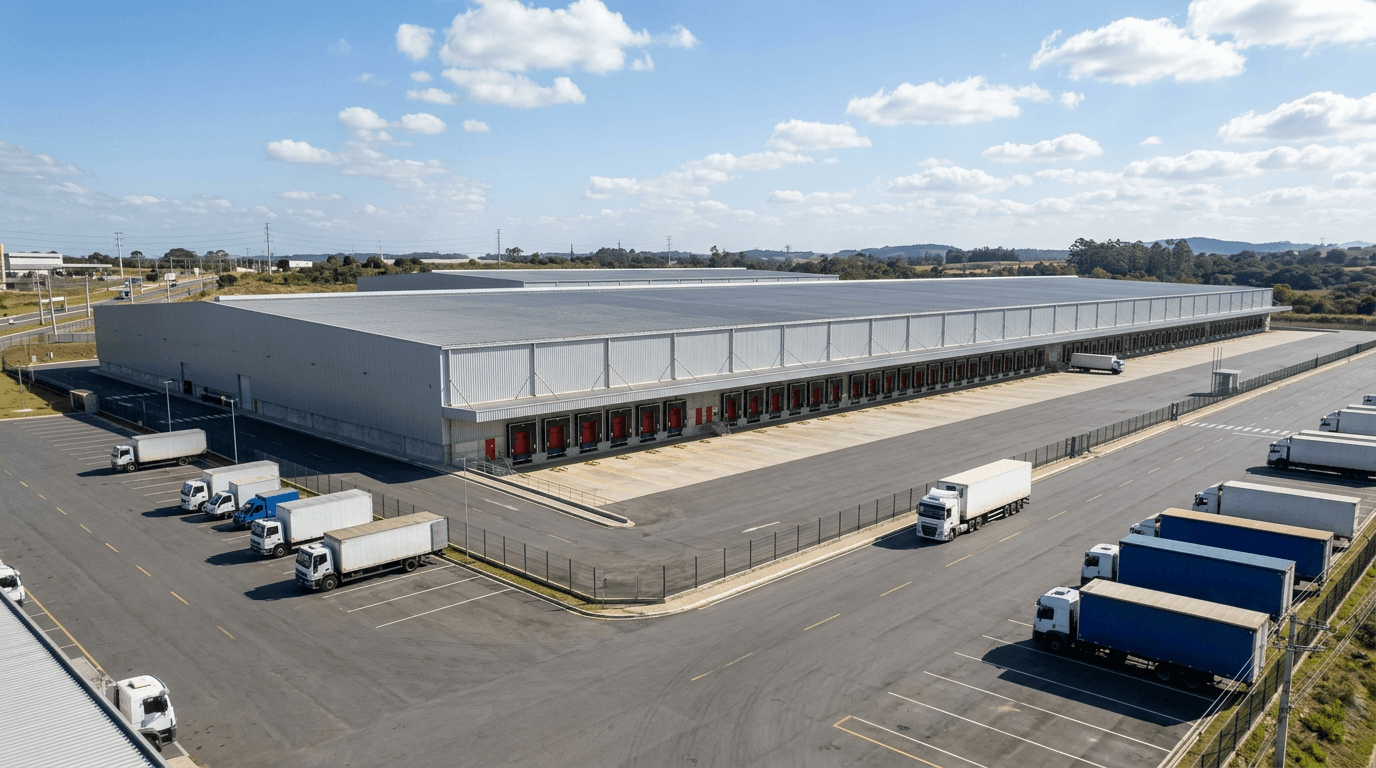
Away from the campaign trail, the harsh realities of the Brazil economy are catching up with some of its most iconic brands. Retail giant Casas Bahia, which filed for judicial recovery in August to restructure 17.3 billion reais ($3.1 billion) in debt, is facing fresh operational distress. On October 9, 2026, real estate fund HSI Logística (HSLG11) filed an eviction lawsuit against the retailer, citing 4.3 million reais in unpaid rent for critical logistics warehouses in Minas Gerais and Paraná. Because physical stores and distribution hubs generate more than half of the company's revenue, the threat of losing these strategic distribution centers poses a severe bottleneck for its ongoing turnaround efforts.
What it touches
The escalating corporate struggles of Casas Bahia directly impact the Brazilian real estate investment trust (FII) sector, particularly HSI Logística (HSLG11), which relies on the retailer for approximately 30% of its rental revenues. On the equity side, the tight presidential race continues to drive volatility for Brazilian fintechs and digital banks traded on the NASDAQ, such as Inter & Co (INTR), as international investors adjust their risk premiums ahead of the October 25 runoff.