Global Pork Markets Brace for Glut After Philippines Halts Imports
The Philippines has suspended pork imports for 60 days, trapping massive supply volumes in Brazil, its largest supplier, and threatening global pork prices.
Global protein and agricultural commodity investors are bracing for sudden supply backlogs and downward pressure on meat prices following a major policy shift in Southeast Asia. The Philippines, a critical driver of global meat demand, has abruptly halted key imported pork cuts to protect its domestic farming sector.
On November 5, 2026, Philippine Agriculture Secretary Francisco Tiu Laurel Jr. signed Department Order No. 33, imposing a 60-day quantitative restriction on nine distinct pork cut varieties. The emergency trade suspension covers fresh, chilled, and frozen swine carcasses, bone-in hams, shoulders, and edible offal. The Philippine Department of Agriculture enacted the temporary ban as a provisional safeguard measure after a preliminary investigation showed that surging foreign shipments had caused "serious injury" to local hog raisers, depressing domestic farmgate prices.
The trade halt strikes directly at Brazil, which has risen to become the single largest supplier of pork to the Philippines. Driven by competitive pricing, Brazil accounted for roughly 22% of the Philippines' total outbound pork shipments and held a commanding 52.2% share of the Philippine import market in the first half of 2026. According to Philippine government data, the ratio of pork imports to domestic production surged from 39% in 2021 to 61% in 2025, and reached 65% by mid-2026, crowding out local farmers.
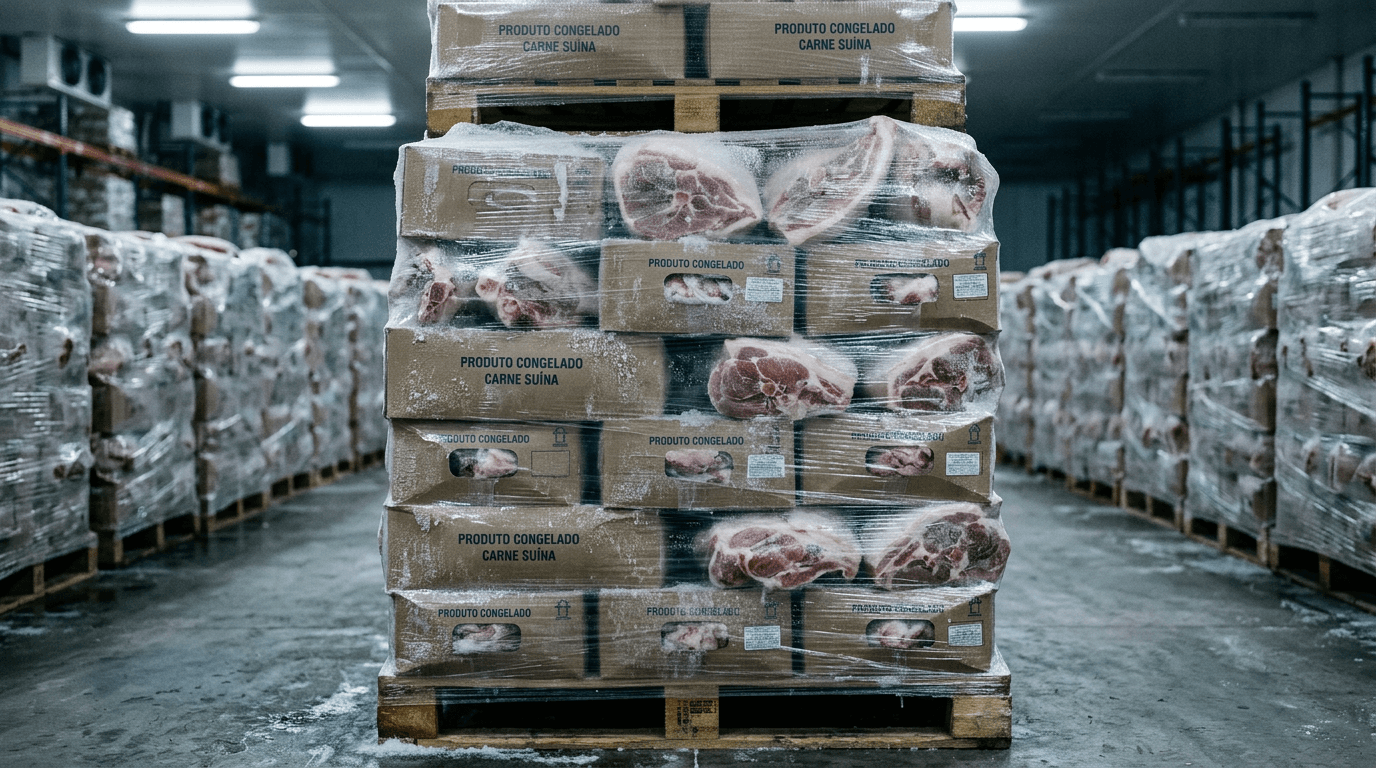
Market analysts warn that the 60-day suspension will trap massive pork volumes inside Brazil, creating an immediate domestic glut. This supply backlog is expected to depress local live hog prices through the end of 2026. While the Philippine government maintains that its domestic reserves are sufficient to avoid immediate local shortages, the sudden bottleneck forces major global meat packers to quickly find alternative destinations for hundreds of thousands of metric tons of pork or accept lower margins.
The import freeze marks a sharp pivot in Philippine trade policy. For several years, Manila relied on lower tariffs and high import volumes to stabilize retail food costs and combat the fallout of African Swine Fever. However, mounting financial losses among local farmers—which the Philippine Department of Agriculture warned could reach ₱100 billion ($1.7 billion USD) by the end of 2026—ultimately forced the government's hand.
In your brokerage app
For retail investors, this supply disruption directly impacts major multinational protein producers. JBS S.V., which is listed in New York and operates extensive poultry, beef, and pork processing facilities across the Americas, is highly sensitive to shifts in global meat trade flows and pricing pressures.