
Flávio Bolsonaro Campaign Rules Out Privatizing Petrobras, Banco do Brasil
Economic advisor Adolfo Sachsida clarifies that a potential right-wing administration will not sell off Brazil's largest state-controlled giants.
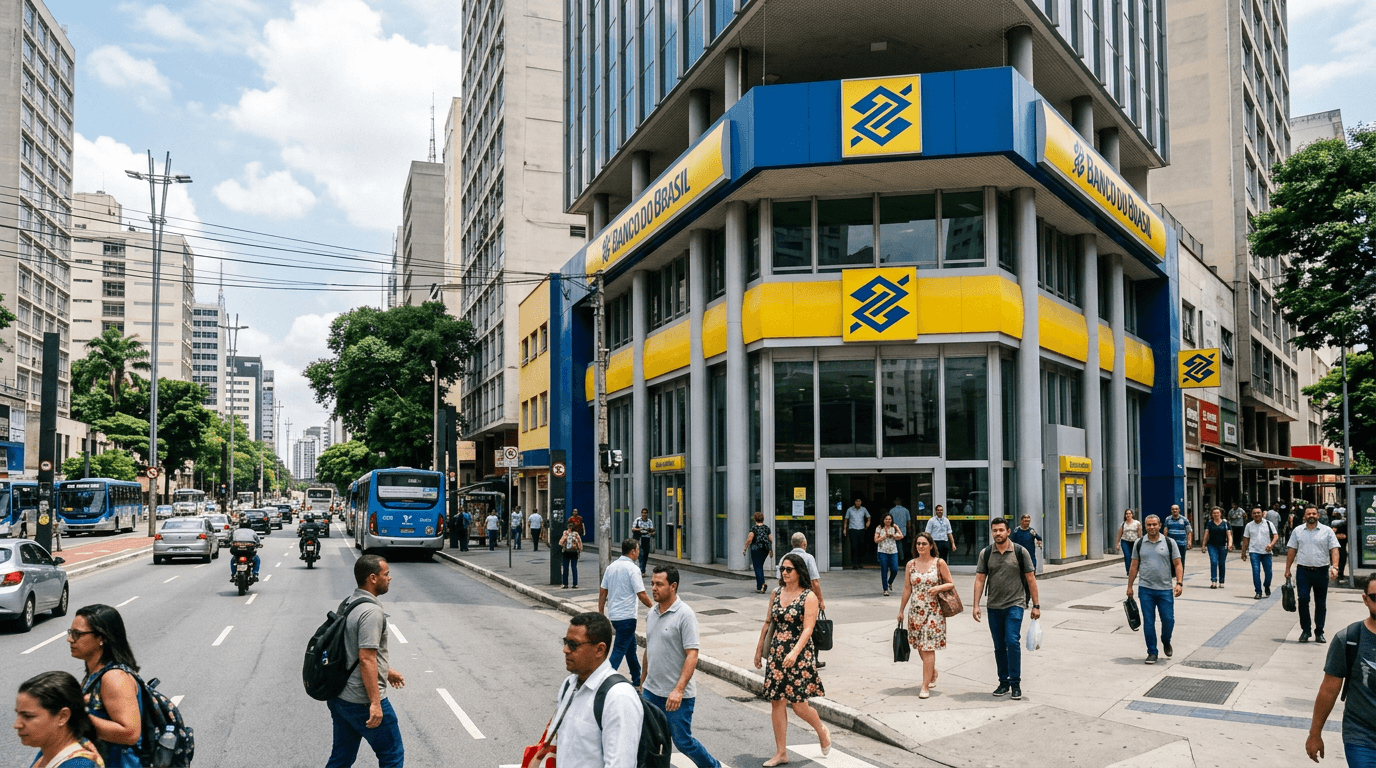
The presidential campaign of right-wing Senator Flávio Bolsonaro has officially ruled out the privatization of Brazil’s most prominent state-controlled companies. In a public clarification aimed at calming both public sector workers and financial markets, the campaign's chief economic coordinator, Adolfo Sachsida, stated that massive state enterprises like oil giant Petrobras, commercial lender Banco do Brasil, and mortgage bank Caixa Econômica Federal will remain in public hands if the candidate wins the upcoming second-round vote on October 25.
The announcement, delivered on October 8, 2026, represents a significant shift from the hardline free-market platform of the candidate's father, former President Jair Bolsonaro, whose administration frequently debated selling off these crown jewels. Instead of full divestment, Sachsida—who served as Minister of Mines and Energy under the elder Bolsonaro—promised that a future administration would focus on strengthening corporate governance, cutting administrative waste, and eliminating "excesses" in public spending.
For foreign observers and international investors, the move clarifies the boundaries of a potential right-wing administration's economic agenda. By taking these highly sensitive assets off the auction block, the campaign is attempting to neutralize a key political vulnerability ahead of the election. Left-wing opponents, led by incumbent President Luiz Inácio Lula da Silva, have historically used the threat of privatizations to rally working-class voters and state employees against conservative candidates.
The policy clarification came during a highly volatile week for Brazilian state-controlled assets. While the broader market experienced a post-election rally, Banco do Brasil faced independent headwinds. On October 6, 2026, Wall Street investment bank JPMorgan downgraded the state-controlled lender to "underweight" (equivalent to a sell recommendation), citing rising credit risks and non-performing loans in its massive agricultural portfolio.
What it touches
The policy shift directly impacts major publicly traded state-controlled assets, specifically Petrobras (PETR4) and Banco do Brasil (BBAS3), which are heavily held by international institutional investors. By taking privatization off the table, the campaign removes a potential long-term valuation premium but provides near-term regulatory predictability, shifting investor focus back to operational fundamentals, dividend payouts, and credit quality in the agricultural sector.