
Brazil today: Lula fast-tracks labor vote to counter election rival
President Lula pushes a high-stakes Senate vote on the 6x1 workweek to regain momentum against conservative challenger Flávio Bolsonaro ahead of the runoff.
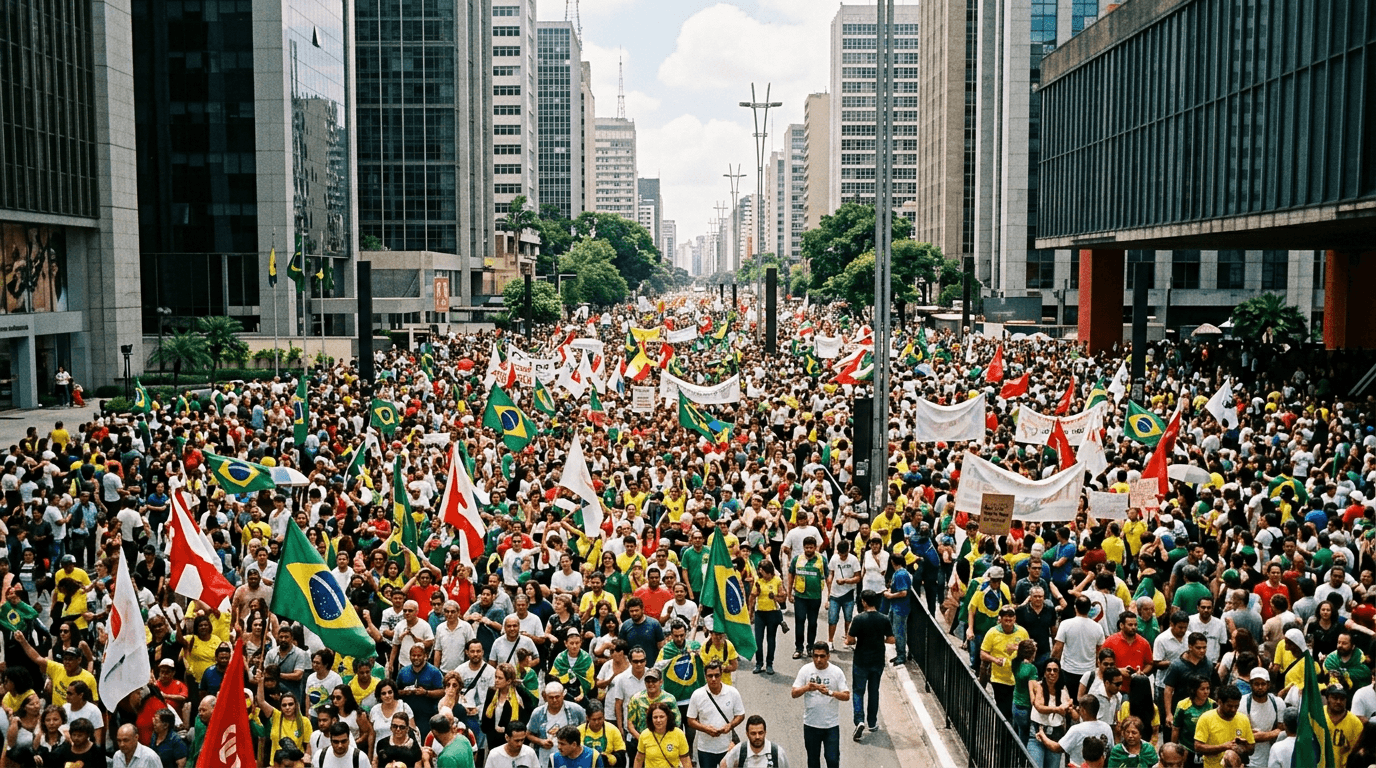
The battle lines for Brazil’s presidential runoff on October 25, 2026, are being drawn in the halls of Congress and on digital messaging apps. On Sunday, October 11, 2026, left-wing President Luiz Inácio Lula da Silva led a massive campaign rally on São Paulo’s landmark Avenida Paulista, using the platform to demand an end to the country’s traditional "6x1" workweek. The move is a direct attempt by the incumbent to reclaim political ground after a surprising first-round election setback on October 4, where right-wing Senator Flávio Bolsonaro—son of former President Jair Bolsonaro—secured 47% of the vote to Lula’s 45.2%.
To force his opponent’s hand, Lula’s allies have successfully fast-tracked a vote on a constitutional amendment (PEC 221/2019) that would ban the 6x1 schedule—six days of work followed by one day of rest—which currently affects roughly 15 million formal workers in sectors like retail and hospitality. Senate President Davi Alcolumbre confirmed that the first-round plenary vote on the measure, which proposes a 40-hour weekly cap with two mandatory days off and no salary reductions, is officially scheduled for Wednesday, October 14. By bringing the highly popular labor reform to the floor just 11 days before the presidential runoff, Lula aims to squeeze Senator Bolsonaro, who has criticized the proposal as opportunistic and warned of its potential economic costs.
The electoral tension spilled over into the judiciary on Sunday as the Superior Electoral Court (TSE) briefly became a proxy battleground. TSE President Kassio Nunes Marques, a conservative justice appointed during the elder Bolsonaro’s administration, ordered the immediate suspension of the "Lula’s Army" WhatsApp channel, a massive campaign group with over 3 million members, citing the spread of disinformation regarding Flávio Bolsonaro’s policy proposals. However, the ban lasted only a few hours before the court's general corregedor, Justice Ricardo Vilas Bôas Cueva, overturned the suspension, ruling that the unilateral block interfered with democratic voter mobilization.
This legislative and digital warfare highlights how the presidential race has shifted from abstract economic debates to direct appeals to working-class anxieties. While Lula relies on labor reforms and a pending Public Security PEC to address rising voter concerns over organized crime, the younger Bolsonaro is banking on investor confidence and promises of fiscal restraint. With the electorate deeply polarized, the next two weeks of legislative maneuvering will determine whether Lula can successfully mobilize his base or if the conservative momentum will carry the opposition to the presidency.
What it touches
The sudden right-wing lead in the first round triggered a massive rally in U.S.-listed Brazilian equities, particularly fast-growing fintech firms such as Nu Holdings (NYSE: NU), XP Inc. (NASDAQ: XP), and StoneCo (NASDAQ: STNE), as Wall Street bet on a more market-friendly administration. However, the impending Senate vote on the 6x1 workweek introduces fresh volatility for consumer-facing sectors, as retail, tourism, and food service companies face the prospect of significantly higher labor costs if the constitutional amendment passes.