
Emerging Market Bond Funds Face Hit as Biofuel Giant Raízen Defaults
Fitch Ratings downgraded Brazilian sugar and ethanol giant Raízen to 'Restricted Default' following the approval of its historic out-of-court debt restructuring.
American retail investors holding global emerging-market bond funds or international corporate debt portfolios are facing a direct credit hit this week. A major borrower that was rated investment-grade just a year ago has officially slipped into default, altering the risk profile of high-yield and crossover funds widely held in U.S. brokerage accounts.
On October 22, 2026, Fitch Ratings downgraded the Long-Term Foreign and Local-Currency Issuer Default Ratings of Brazilian sugar and ethanol giant Raízen S.A. to 'RD' (Restricted Default) from 'C'. The downgrade follows the formal court approval of an out-of-court debt restructuring plan that imposes an immediate payment standstill and coupon accrual on affected claims.
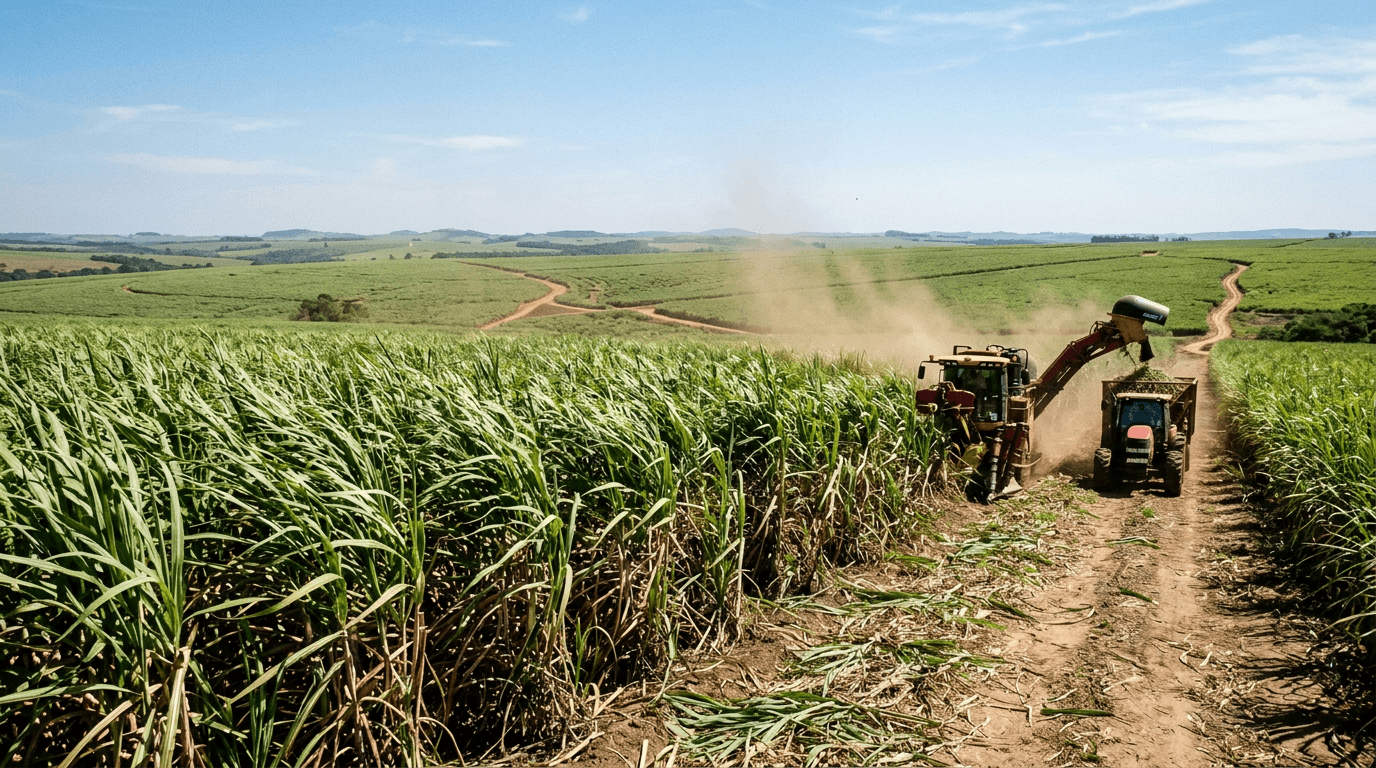
Raízen, a massive joint venture originally formed by multinational energy giant Shell and Brazilian conglomerate Cosan, is the world’s largest producer of sugarcane-based ethanol and a dominant player in global biofuel supply chains. However, the company has spent 2026 buckling under the weight of unsuccessful investments in aviation fuel, high global interest rates, and weaker-than-expected agricultural harvests. The company’s restructuring process, covering approximately 61.4 billion reais ($12 billion), represents the largest out-of-court restructuring in Brazil's history.
According to the rating agency's October 22 statement, creditors representing approximately 82% of the subject claims approved the restructuring plan. Crucially for international bondholders, the court-approved terms also bind non-consenting creditors, meaning all affected investors are now legally blocked from receiving payments under their original contractual terms. The company is currently working to separate its sugar and bioenergy business from its fuel distribution operations to stabilize its capital structure.
For global investors, the restructuring highlights the rapid rise of political and corporate credit risk in Latin America's largest economy. While Brazil's broader sovereign credit rating has remained relatively stable, corporate defaults have begun to heavily concentrate. Financial analysts at DPAM noted in October 2026 that 75% of the year's emerging-market default volume from the region has been concentrated in just two major Brazilian corporate giants: Raízen and petrochem giant Braskem, both of which were widely held by mainstream international funds before their downgrades.
In your brokerage app
While retail investors cannot easily buy Raízen's local Brazilian shares (listed in São Paulo as RAIZ4) directly from standard U.S. platforms, the company's debt is widely held within diversified emerging-market debt ETFs. If you own the iShares J.P. Morgan USD Emerging Markets Bond ETF or the Vanguard Emerging Markets Government Bond ETF, your portfolio carries indirect exposure to the restructuring of Brazilian corporate debt. Additionally, Raízen's joint-venture parent, Shell plc, is listed in New York and remains exposed to the equity write-downs associated with the restructuring of its Brazilian bioenergy associate.