
Brazil’s First Gigawatt-Scale Battery Auction Draws Record 300 GW in Project Interest
Brazil's debut auction for Battery Energy Storage Systems (BESS) saw a record 6,091 projects registered, signaling a massive new market for grid modernization.
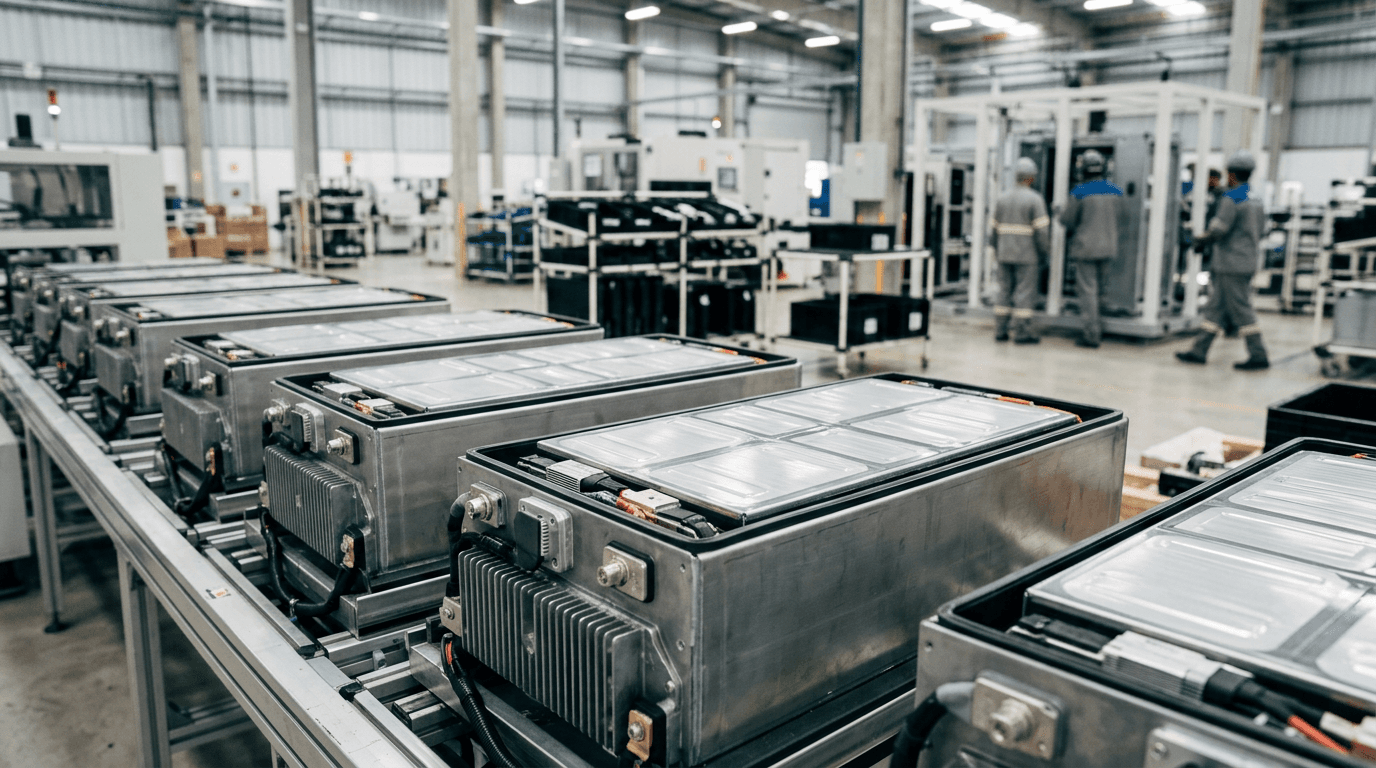
Brazil’s inaugural auction for Battery Energy Storage Systems (BESS) has triggered a massive, unexpected wave of interest from investors, drawing a record-breaking 6,091 project registrations representing a staggering 296.8 gigawatts (GW) of capacity. The sheer volume of submissions—an unprecedented number for an auction in the Brazilian power sector—signals a major turning point in the country's accelerating push to modernize its electrical grid and create a new gigawatt-scale investment market.
The two separate auctions, scheduled for December 2 and 4, 2026, are designed to contract power availability through new storage projects for 15-year terms, beginning in August 2028. The government’s Energy Research Office (EPE) will now begin the technical qualification process for the projects. While the total volume to be contracted remains undefined, market watchers are speculating that the target could reach 4 GW, double the 2 GW initially signaled, to absorb the high investor appetite and integrate the storage solutions into the National Interconnected System (SIN).
This monumental shift is a direct response to operational challenges created by Brazil’s successful integration of intermittent renewable energy sources, particularly wind and solar, which now account for a significant portion of the country's electricity generation. The BESS projects are crucial for providing system stability, storing excess power during peak generation, and supplying it back to the grid when demand is high or supply is low, thus addressing growing curtailment issues and grid bottlenecks, especially in the wind-rich Northeast.
The auction structure is also generating new industrial partnerships in Brazil. The first tender round, designated the "National Storage" auction, is restricted to projects meeting specific domestic content requirements, a move designed to stimulate local manufacturing. This requirement has already led to new ventures, most notably a strategic cooperation between Brazil’s Grupo Moura, a major local battery manufacturer, and the Chinese battery giant CATL. The partnership is aimed at jointly bidding in the auction, combining CATL’s advanced battery technology with Moura’s local production capabilities and market knowledge.
What it touches The push for massive battery storage capacity has direct implications for the Electric Power Sector, which will be the primary consumer of the contracted BESS projects, and the Industrial Goods sector, where the demand for local component manufacturing is driving new foreign partnerships. Companies involved in the supply chain for lithium-ion batteries, a key technology for utility-scale storage, will also see increased demand as Brazil moves from a pilot market to a full-scale deployment market. Sigma Lithium (SGML), a producer of battery-grade lithium concentrated in Brazil, is one such asset trading on the Nasdaq (SGML $12.39, down 2.98% today) that could be affected by the long-term domestic demand generated by this new infrastructure market.