
Brazil Supreme Court Rules Against Government in R$16.5 Billion Tax Battle
The Brazil Supreme Court ruled 7-to-4 to exclude state-level ICMS tax credits from federal taxes, dealing a R$16.5 billion blow to fiscal consolidation.
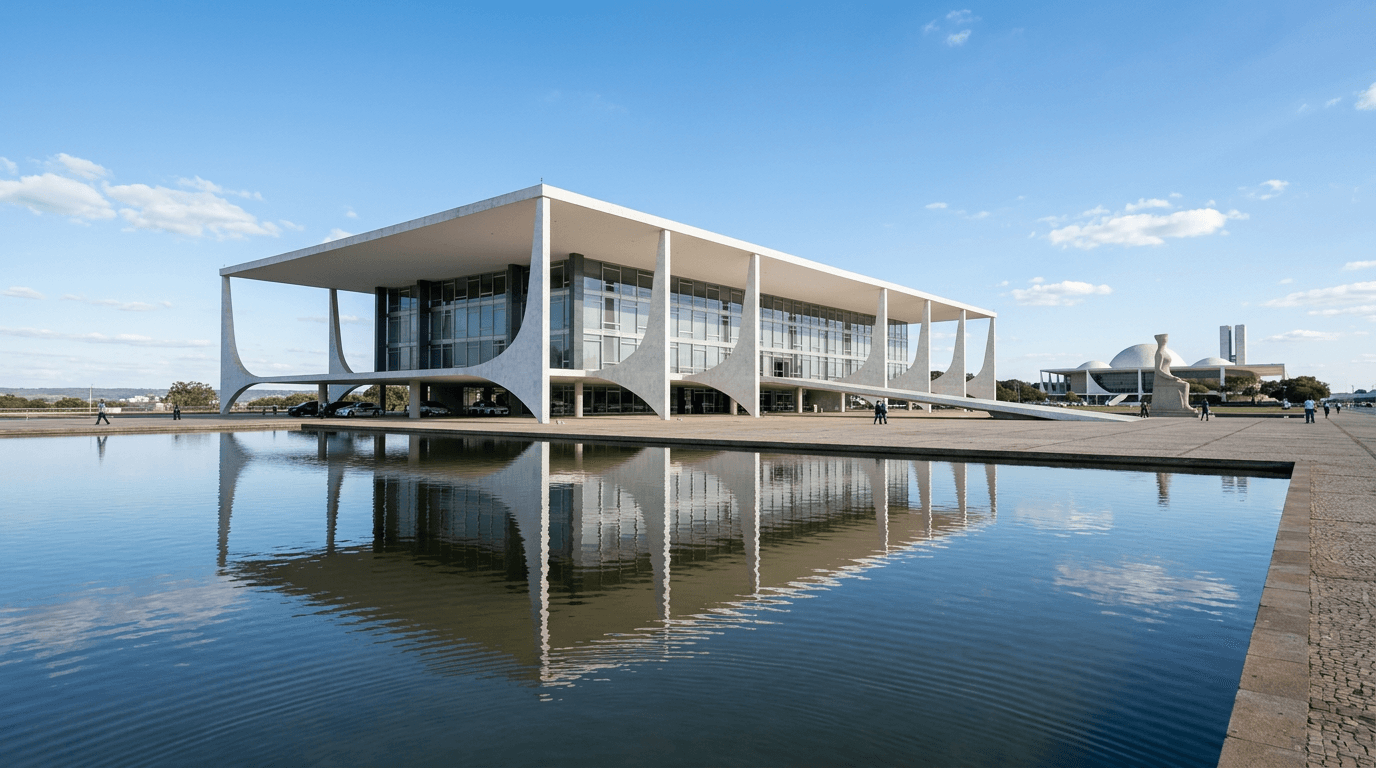
On Wednesday, October 7, 2026, the Supremo Tribunal Federal (STF), Brazil’s Supreme Court, ruled against the federal government in a major tax dispute that could cost the national treasury up to R$16.5 billion ($3 billion USD) over the next five years. By a 7-to-4 majority, the court decided that state-level tax benefits known as ICMS credits cannot be included in the calculation base for two key federal social integration taxes, PIS and Cofins.
The ruling represents a significant setback for President Luiz Inácio Lula da Silva’s administration, which has been aggressively seeking new revenue sources to narrow Brazil's fiscal deficit and meet its strict budgetary targets. According to the federal government's estimates outlined in the 2026 budget guidelines, the exclusion of these credits will severely dent tax collection, complicating the Treasury's fiscal consolidation efforts and potentially stoking concerns over sovereign credit risk.
At the heart of the legal battle is the ICMS, a state-level value-added tax on goods and services. Brazilian states frequently grant "presumed credits" of this tax to private companies as financial incentives to spur regional economic development. The federal government argued that these credits constitute corporate revenue and should therefore be subject to federal taxes. However, the court's majority ruled that these incentives represent a state-level tax waiver rather than actual corporate income or turnover, meaning the federal government has no right to tax them.
A Legal Twist and the Path Ahead
Despite the definitive ruling, the legal saga may not be entirely over. In a notable twist, four of the seven majority votes were cast by justices who have since retired from the bench—Marco Aurélio Mello, Rosa Weber, Ricardo Lewandowski, and Luís Roberto Barroso—but whose votes remained valid under court rules because the case was initiated years ago in a virtual format before being brought to the physical plenary.
During the session, Supreme Court Justice Alexandre de Moraes pointed out this procedural detail, noting that the government could attempt to reverse or modify the decision through upcoming clarification appeals, known as embargos de declaração. Because the retired justices cannot vote on these future appeals, their newly appointed successors—including Justices André Mendonça, Cristiano Zanin, and Flávio Dino—will have the opportunity to weigh in, potentially shifting the balance of power in a future round of the dispute.
For now, the decision stands as a victory for Brazilian businesses, which have long complained about the country's notoriously complex and burdensome tax system. For international observers and credit rating agencies, however, the sudden loss of R$16.5 billion in projected revenue highlights the persistent institutional hurdles the Brazilian government faces in stabilizing its public debt.
What it touches
The ruling directly benefits large Brazilian corporations across the industrial, retail, and agricultural sectors that rely heavily on state-level tax incentives. On the financial side, the decision adds immediate pressure to Brazil's fiscal outlook, an outcome that typically weighs on the Brazilian Real and broad-market equities. Consequently, US-traded assets linked to Brazil, such as the iShares MSCI Brazil ETF (EWZ), are highly exposed to the resulting shifts in sovereign risk premiums and domestic interest rate expectations.