
Brazil Stock Market Eyes Utility Rally on Right-Wing Election Shift
Senator Flávio Bolsonaro's strong first-round showing triggers investor expectations of a market-friendly shift in Brazil's utility and sanitation sectors.
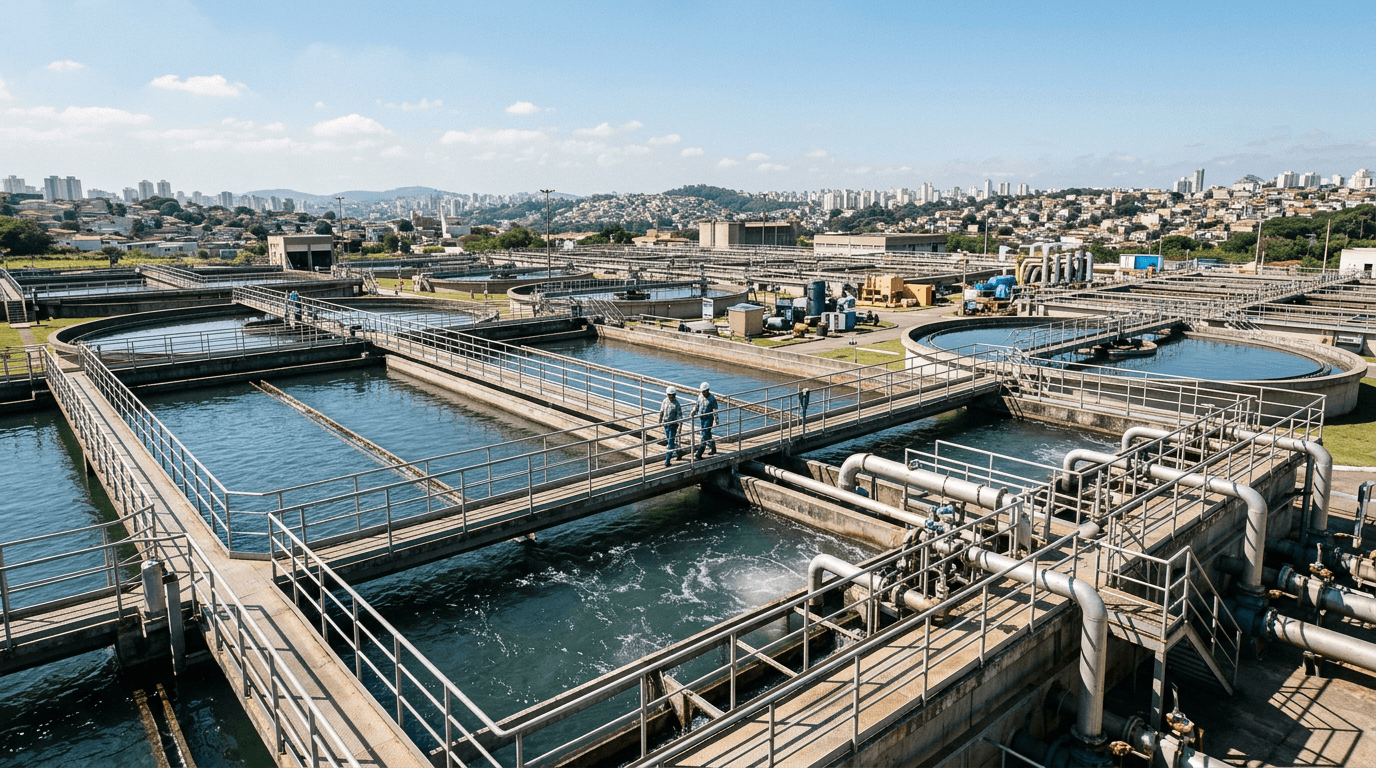
The first-round voting in Brazil's presidential election on October 4, 2026, has set the stage for a dramatic shift in the nation's economic landscape. Senator Flávio Bolsonaro, representing the right-wing Liberal Party (PL), secured a powerful position in the initial vote counts, establishing a tight, highly competitive runoff against incumbent President Luiz Inácio Lula da Silva. For international observers and local business leaders, this election is a direct ideological rematch of the 2022 race, pitting the market-friendly, privatization-focused platform of the Bolsonaro family against Lula's state-led economic model.
In the lead-up to the vote, market analysts coined the term "Flávio Rally" to describe the anticipated surge in specific sectors of the brazil stock market. The primary beneficiaries of this political momentum are expected to be the highly capital-intensive utility and sanitation sectors. Because these industries rely heavily on massive, long-term investments, they are incredibly sensitive to fluctuations in long-term interest rates. Analysts note that a right-wing victory is widely expected to signal stricter fiscal discipline, which would likely drive down long-term interest rates and significantly lower the cost of capital for these infrastructure giants.
Beyond macroeconomic factors, a potential Flávio Bolsonaro presidency represents a major push toward federal deregulation and accelerated state-level concessions. During his campaign, Flávio Bolsonaro repeatedly highlighted sanitation as a cornerstone of his environmental and public health platform, advocating for the expansion of private sector participation. This stands in stark contrast to the current administration's preference for state-controlled development, making the upcoming runoff a critical turning point for how basic services like water, sewage, and electricity are managed across Latin America's largest economy.
The next three weeks of campaigning before the runoff will determine whether this market optimism translates into policy reality. While defensive sectors like utilities usually experience lower volatility, individual companies with high debt levels or ongoing concession contracts are highly exposed to the political risk of the moment. Investors are closely parsing every poll to gauge whether the country will pivot back toward privatization or double down on state-backed infrastructure.
What it touches
A right-wing shift in the brazil stock market outlook directly exposes major utility and water companies. Key assets in line for high volatility include the recently privatized water utility Sabesp (SBSP3), power giant Eletrobras (ELET3), and regional utility Copel (CPLE6), alongside private power distributors like Equatorial and Energisa, which are highly sensitive to long-term interest rate fluctuations and regulatory changes.