
Brazil shuts down online betting, leaving $240 million in limbo
Millions of Brazilian players face a hard deadline to withdraw funds as President Lula's emergency decree bans online gambling and sports betting nationwide.
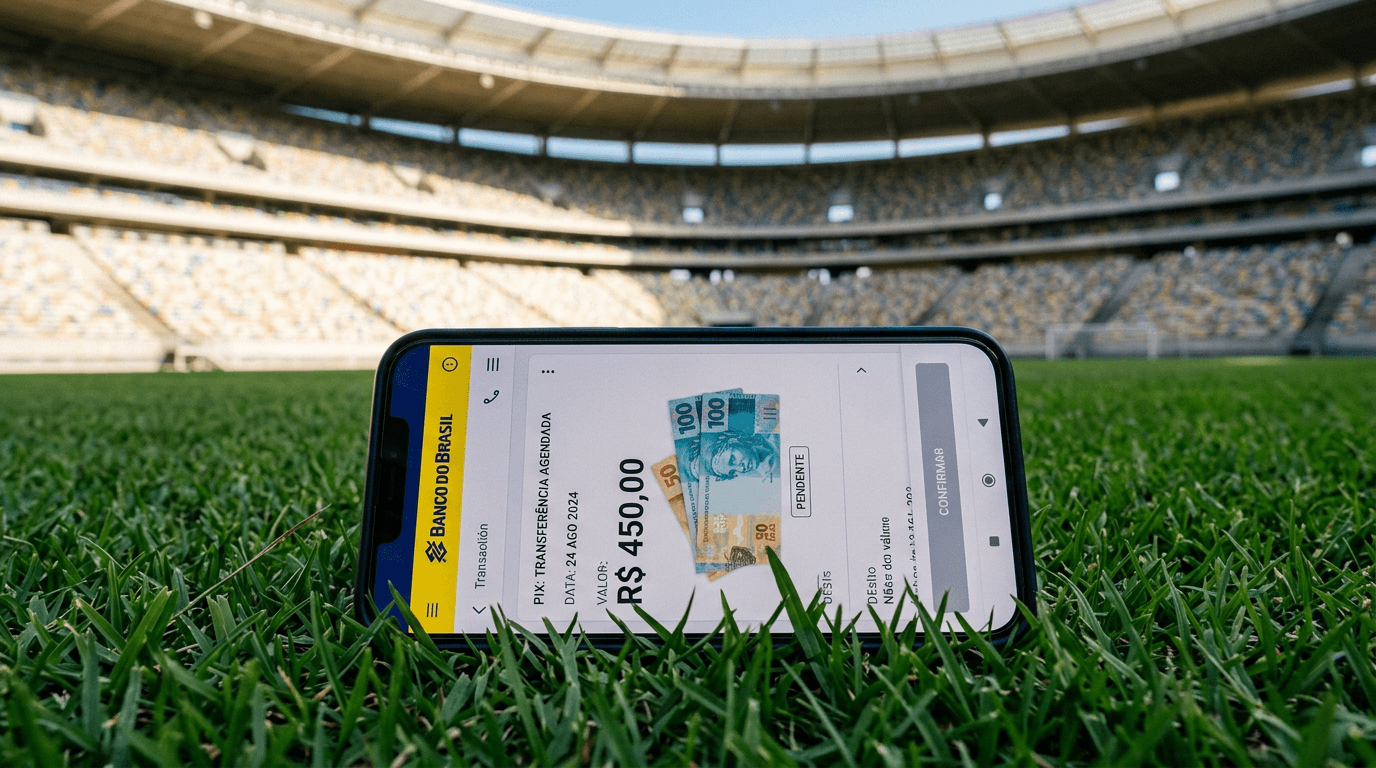
Brazil is shutting down its massive, newly regulated online gambling sector under an emergency decree, forcing millions of citizens to scramble for their money. Today, October 5, 2026, marks the final deadline for Brazilian bettors to voluntarily withdraw their funds from online betting platforms before a nationwide block takes effect at midnight.
The abrupt shutdown follows the enactment of Provisional Measure (MP) 1.394/2026, signed by President Luiz Inácio Lula da Silva on September 25. The emergency decree outlaws the operation, offering, and advertising of fixed-odds sports betting and online casino games across the country. According to government figures, approximately 26.5 million active accounts still hold a combined 1.33 billion BRL (around $240 million USD) on these platforms.
Starting October 6, 2026, internet service providers will block all unauthorized betting websites and applications. For players who miss the midnight deadline, the recovery process will become significantly more complex. Between October 9 and 14, local banks and payment processors will be tasked with returning the remaining balances to users based on taxpayer registry data.
A Sudden Policy Reversal
This sweeping ban represents a dramatic U-turn for Latin America's largest economy. Brazil had only fully launched its regulated online betting market in January 2025, following years of legislative debate. The market quickly exploded, generating an estimated 37 billion BRL ($6.7 billion USD) in gross gaming revenue in 2025 alone.
However, the rapid growth of the sector triggered intense social and political backlash. Public health advocates raised alarms over rising gambling addiction, while economists warned that betting was cannibalizing household consumption and diverting funds from retail spending. The federal government's sudden intervention aims to curb these social ills, though it has thrown local businesses and sports organizations into immediate chaos.
Impact on Football and Local Businesses
The economic fallout is hitting Brazilian football clubs first and hardest. Betting companies have recently become the financial lifeblood of the domestic league, sponsoring 14 of the 20 teams in the top-tier Série A. Marquee clubs like Flamengo and Corinthians now face the immediate loss of lucrative shirt sponsorships, with the ban expected to wipe out up to 1.1 billion BRL ($200 million USD) in annual sports marketing revenue.
While the emergency decree is already in force, its long-term permanence rests with the National Congress. Lawmakers have until October 13 to submit amendments to the measure, which must be voted on within 120 days or it will lapse. Meanwhile, major gaming associations have filed appeals with the Supreme Federal Court, arguing that the sudden ban violates legal certainty and free enterprise.
What it touches
The sudden ban directly impacts local payment processors and financial institutions, such as PagBank (PAGS) and StoneCo (STNE), which handle the high-volume transaction flows for online gaming platforms. It also exposes major international gaming groups operating in Latin America, while forcing Brazilian football clubs to urgently restructure their commercial portfolios to avoid insolvency.