
Brazil real estate investors mature but grow wary of political risk
A joint study by Brain, Clube FII, and Tree shows seasoned retail investors now dominate Brazil's real estate funds, but political anxiety is rising.
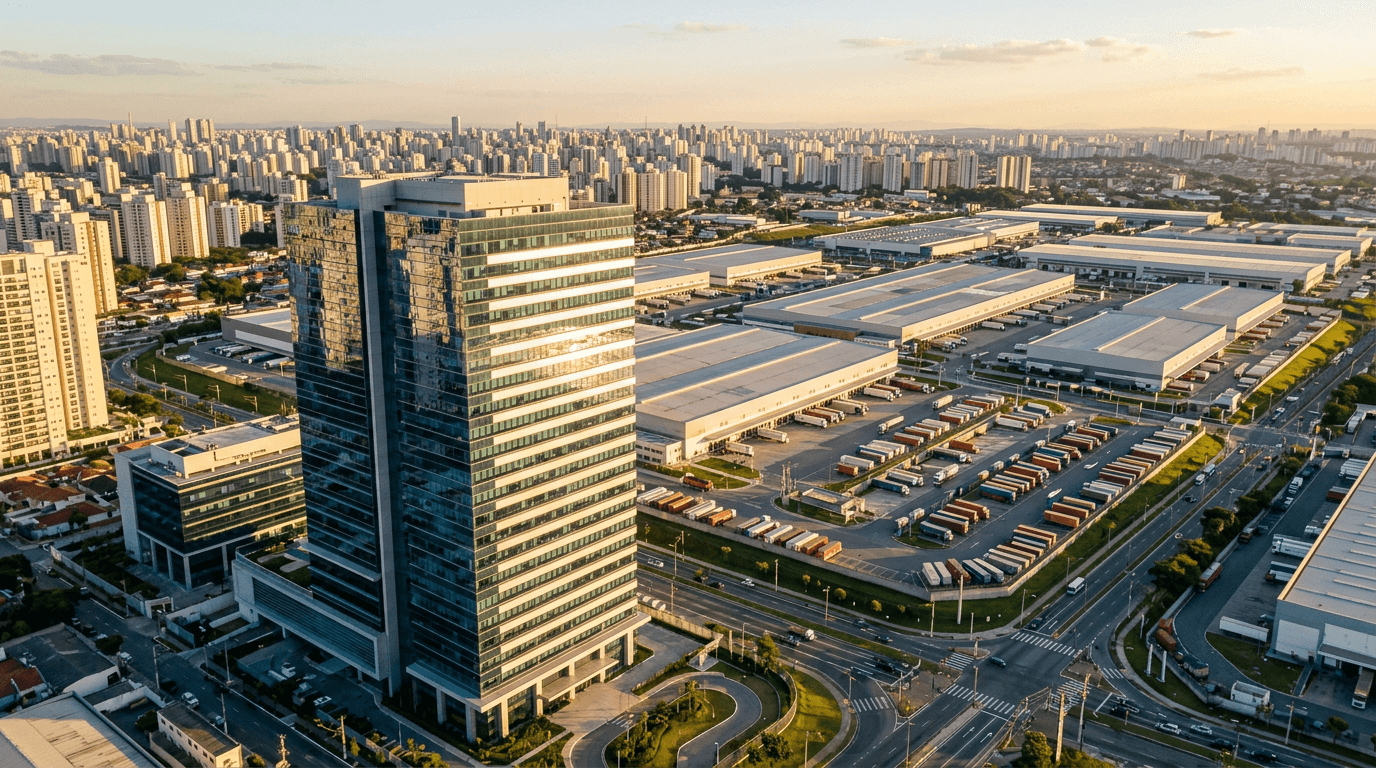
A major shift is taking place in the Brazilian real estate market. Local retail investors are becoming highly sophisticated, anchoring the country’s real estate investment fund (FII) industry even in the face of restrictive double-digit interest rates. However, this maturing domestic investor base is growing increasingly anxious about the country's political landscape, raising concerns about the future flow of capital into the sector.
According to a joint study released in September 2026 by real estate consultancy Brain Inteligência Estratégica, research firm Clube FII, and financial intelligence group Tree Inteligência Financeira, seasoned investors with more than five years of market exposure have surged from just 13% of the market in 2020 to 60% in 2026. This growing sophistication has helped insulate the sector. Despite Brazil's benchmark Selic rate sitting at a restrictive 14.50%, 97% of surveyed investors view real estate funds as a cornerstone of their long-term retirement strategy, with the average portfolio diversifying across 18 different funds.
For years, the typical Brazilian retail investor favored traditional savings accounts or physical properties. The rise of FIIs—which operate similarly to Real Estate Investment Trusts (REITs) in the United States—has democratized access to institutional-grade logistics parks, corporate offices, and shopping malls. Individual investors are drawn to the monthly tax-free dividend distributions. This steady cash flow has turned the asset class into a modern substitute for traditional savings.
Yet, this financial maturity is accompanied by heightened sensitivity to political risk. The joint study revealed that 70% of retail investors now cite the political environment as a major deterrent to deploying new capital, a sharp increase from just 10% who felt that way in 2024. With the next presidential election cycle approaching, investors are increasingly wary of fiscal policy shifts, potential changes to tax exemptions on fund distributions, and broader macroeconomic instability. While existing investors are holding onto their portfolios for retirement income, their willingness to inject fresh cash is hitting a political roadblock.
What it touches: This delicate balance of investor resilience and political anxiety directly impacts the IFIX, the benchmark index for Brazilian real estate funds traded on the B3 exchange. While the index has shown historical stability due to consistent rental yields, any actual or perceived threat to the tax-exempt status of FII dividends by the federal government could trigger capital outflows, affecting major real estate asset managers and developers nationwide.