
Brazil Infrastructure Contracts Face R$ 23 Billion Election Shakeup
Newly elected state governors in Brazil are targeting major private water and highway concessions, raising regulatory risks for private operators.
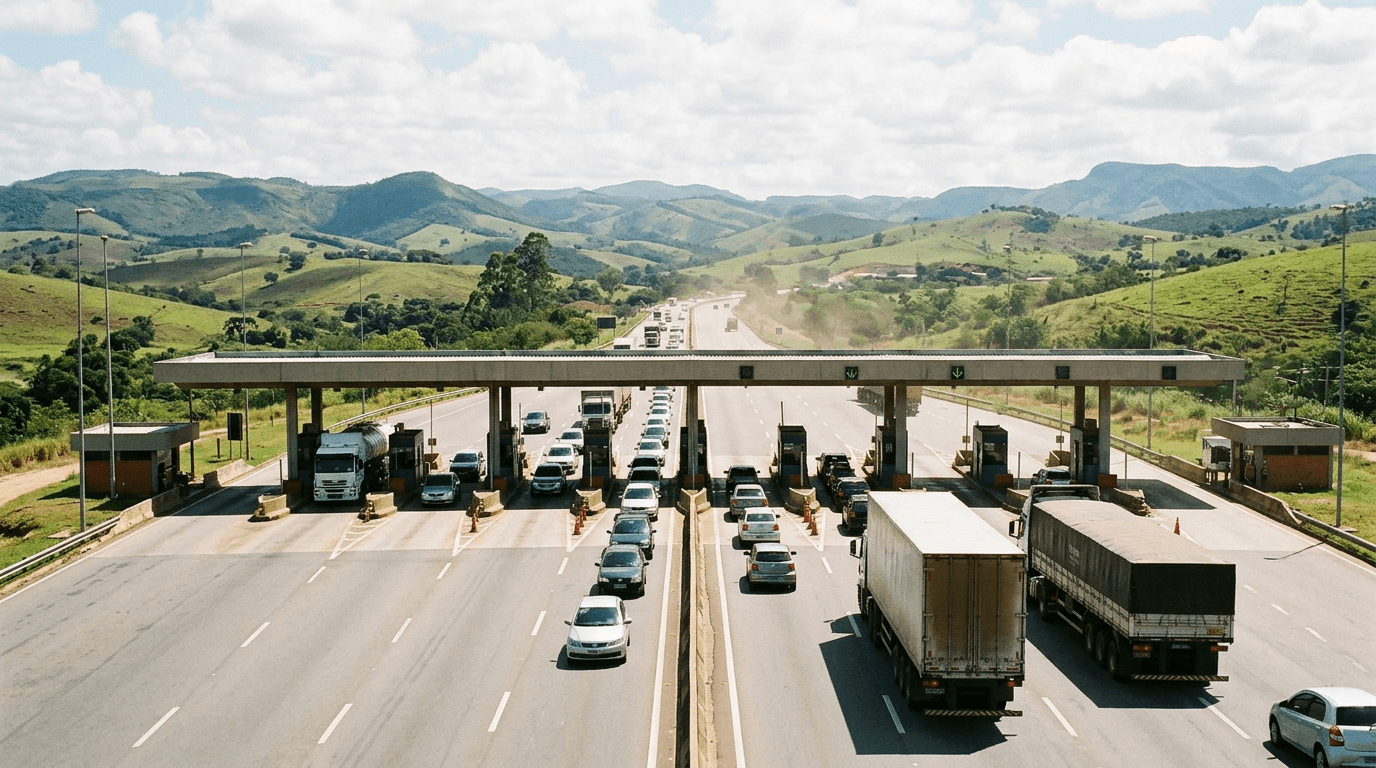
A wave of newly elected state governors in Brazil is moving to renegotiate, audit, or outright cancel major private infrastructure contracts, putting at least R$ 23 billion ($4.2 billion USD) in planned investments under immediate regulatory scrutiny. Following the October 4 municipal and state elections, newly empowered leaders in key states—including Pará, Minas Gerais, and Paraná—have targeted long-term water, sanitation, and highway concessions, signaling a shift in how local governments intend to manage private sector partnerships.
The most severe challenge is unfolding in the northern state of Pará, a region crucial to Brazil's environmental and logistical network. The newly elected governor, Dr. Daniel Santos, announced immediately after his first-round victory that his administration intends to terminate the R$ 19 billion water and sanitation concession held by Águas do Pará, a subsidiary of private sanitation giant Aegea. Dr. Santos stated his intention to return water management to the state-owned utility, Cosanpa, arguing that public investment should take precedence over private operators.
Further south, in the industrial and mining powerhouse of Minas Gerais, newly elected governor Cleitinho Azevedo is demanding a strict review of state highway concessions. Azevedo has taken aim at the 30-year Via Liberdade contract, signed in January 2026 with the Consórcio Rota da Liberdade, which covers 190 kilometers of critical transport corridors and carries R$ 5 billion in projected investments. Azevedo has expressed a preference for federal resources and public funding over toll road expansions, a stance that could complicate the financial models of existing operators.
Meanwhile, in the southern agricultural hub of Paraná, newly elected governor Sergio Moro—the former federal judge who rose to prominence during the "Car Wash" anti-corruption probe—plans to establish a State Infrastructure Observatory. This new regulatory body is designed to strictly monitor construction schedules, tariff structures, and contract compliance across 3,300 kilometers of recently privatized highways. While Moro's approach focuses on rigorous compliance rather than contract termination, it adds a layer of administrative oversight for major private consortia operating in the state.
This post-election push highlights the recurring political risks that foreign and domestic investors face in Brazil's infrastructure sector. While legal experts note that demanding contract compliance is a standard administrative prerogative, abrupt threats of cancellation test the stability of Brazil's regulatory frameworks. How these disputes are resolved in state courts and regulatory agencies over the coming months will set a critical precedent for future privatization auctions.
What it touches
The political pushback directly exposes major private operators in the sanitation and toll road sectors. Aegea, one of Brazil's largest private water companies, faces direct contractual risk in Pará, while highway concessionaires like the EPR Group and Pátria Investments (NASDAQ: PAX), which hold major road contracts in Paraná and Minas Gerais, face heightened regulatory scrutiny and potential tariff disputes.