BlackRock Trims Stake in Brazilian Water Utility Copasa Below 5%
BlackRock has reduced its holding in Brazilian water utility Copasa to 4.986%, reversing a recent increase as the newly privatized company transitions to private control.
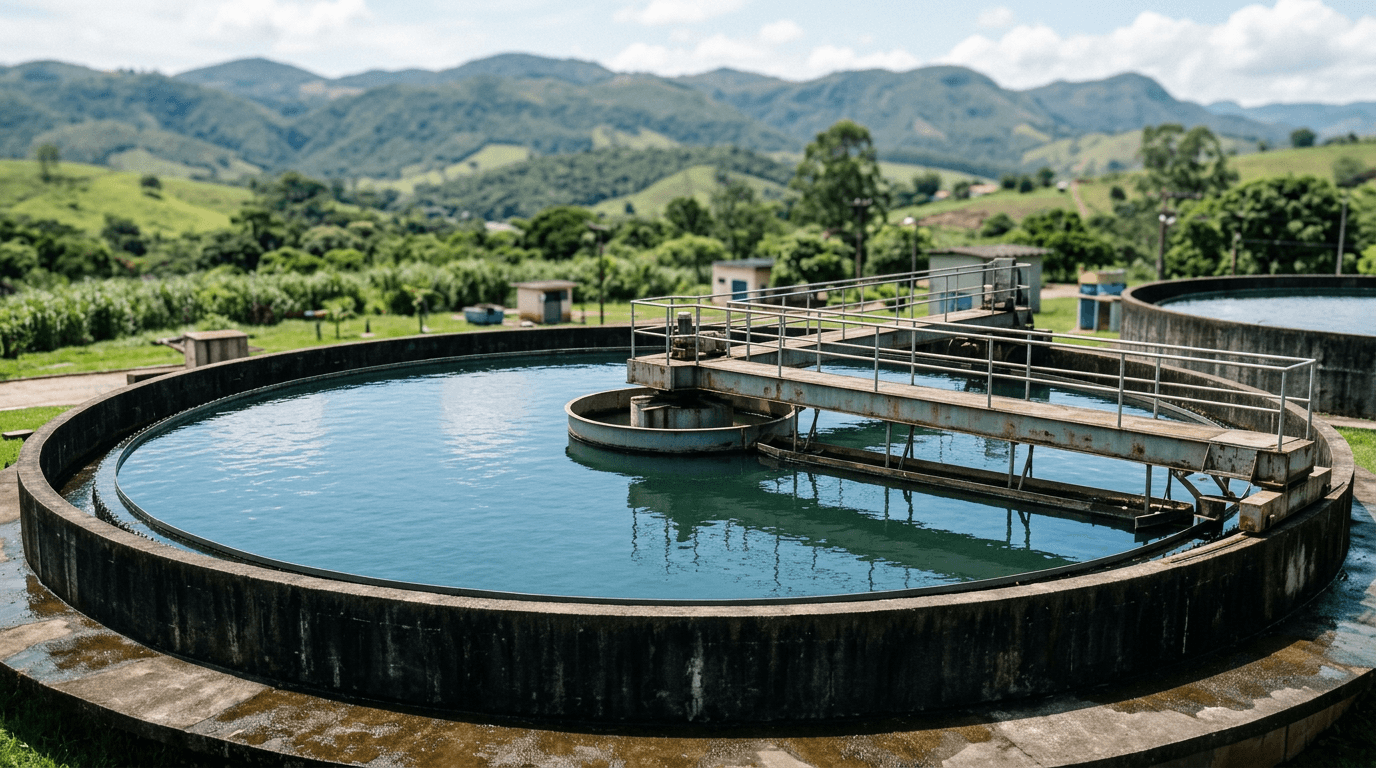
Global institutional investors tracking emerging market flows are watching closely as the world's largest asset manager adjusts its exposure to Latin American infrastructure. In a regulatory disclosure, BlackRock has scaled back its position in one of Brazil's major regional water utilities, reversing a brief accumulation of shares that occurred earlier in the month.
The transaction, which took place on October 30, 2026, and was officially disclosed by the company on November 3, 2026, saw BlackRock reduce its equity stake in Companhia de Saneamento de Minas Gerais, known as Copasa. The asset manager's holding fell to 4.986% of the utility's total common shares, leaving it with 18,960,416 ordinary shares. This marginal reduction brings BlackRock just below the 5% regulatory threshold that triggers mandatory public disclosures in Brazil, down from the 5.005% stake it held as of October 6, 2026.
The move comes at a pivotal moment for Copasa, which is undergoing a massive structural shift. Based in Minas Gerais—Brazil’s second-most populous state and an industrial powerhouse—the utility transitioned from state control to private management in June 2026. Brazilian power and infrastructure giant Equatorial Energia acquired a controlling 30% stake in the utility for 5.5 billion reais (approximately $1.1 billion), ending 52 years of state control and initiating an aggressive operational turnaround.
While BlackRock stated in its official communication that the divestment is strictly for investment purposes and does not aim to alter the administrative structure or control of the utility, the reduction highlights how global funds are managing their risk in newly privatized assets. Under the privatization agreement, Equatorial and other major shareholders face strict long-term commitments, including lock-up periods extending up to 2033 to ensure the universalization of water and sewage services in the region.
For global investors, the transition of Brazilian utilities like Copasa and its larger counterpart Sabesp from state-run entities to private corporations represents a classic emerging-market trade-off: the potential for massive operational efficiency gains balanced against regulatory risk and capital expenditure demands.
In your brokerage app
While Copasa is listed locally on the B3 exchange in São Paulo under the ticker CSMG3, American retail investors can access the stock indirectly. The company is held within broad emerging markets and international dividend funds, such as the iShares MSCI Brazil ETF, which is managed by BlackRock and traded on US exchanges.