
Gartner Warns $3.5 Trillion in AI Infrastructure Spending Faces Impairment Risk by 2030
A landmark Gartner report details a $4.9 trillion revenue gap in the artificial intelligence supply chain, threatening specialized cloud computing providers.
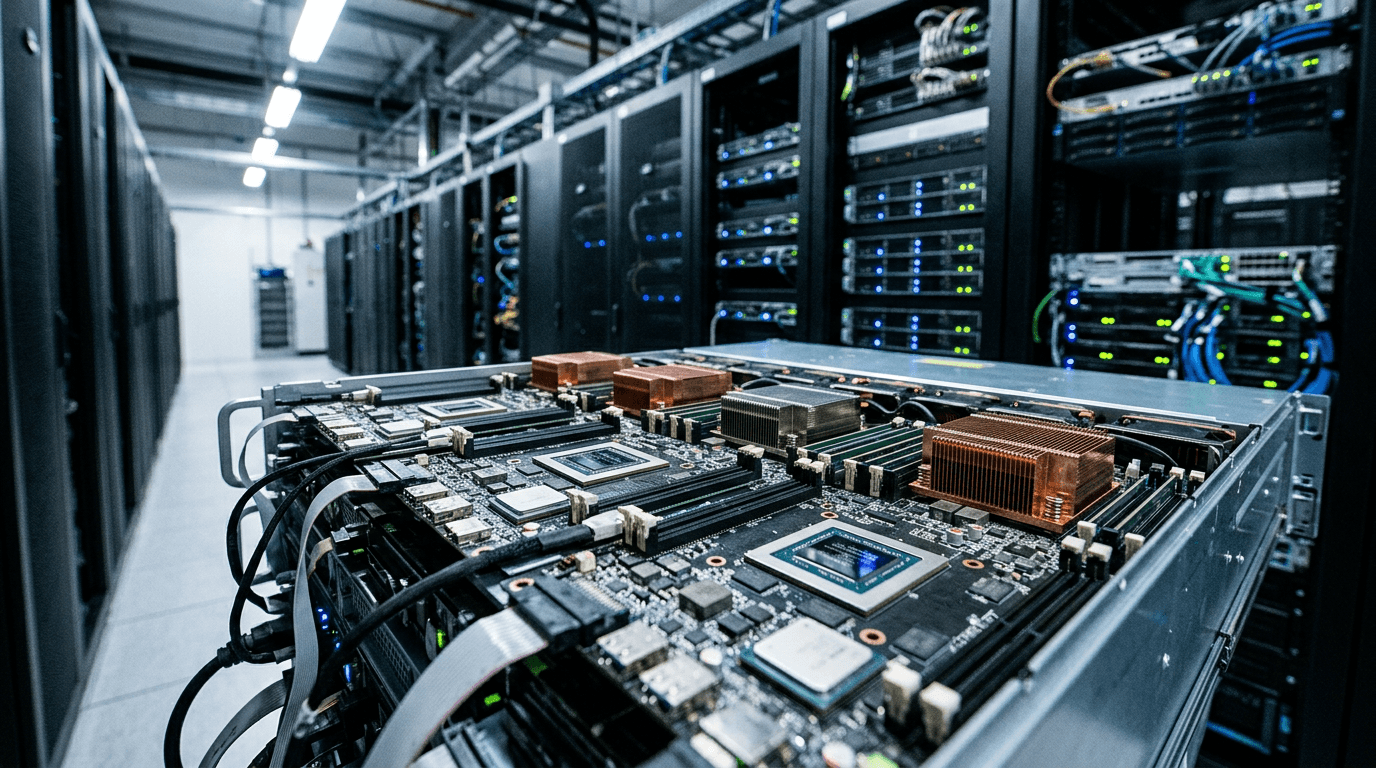
A massive financial gap in the artificial intelligence supply chain could trigger severe asset write-downs for specialized technology infrastructure. According to a landmark report published on October 14, 2026, by the global technology research firm Gartner, more than $3.5 trillion in planned AI infrastructure spending is exposed to financial impairment by the end of 2030.
The core issue is a stark arithmetic mismatch between what companies are spending to build AI data centers and the actual revenue those assets are generating. Gartner estimates that AI providers will spend nearly $1 trillion on infrastructure in 2026 alone, with an additional $6 trillion projected between 2027 and 2030. To cover these immense capital expenditures, service their financing costs, and achieve a standard 12% return on invested capital, data center owners require a cumulative $8.5 trillion in revenue through 2030. However, Gartner forecasts that actual attributable enterprise and consumer AI revenue will reach no more than $3.6 trillion over the same period, leaving a staggering $4.9 trillion shortfall.
This impending revenue gap represents a severe threat to specialized cloud computing providers, often referred to as "neoclouds" or GPU-as-a-service companies. Unlike diversified tech giants that can subsidize their AI experiments with highly profitable legacy businesses like search advertising or enterprise software, neoclouds rely almost exclusively on renting out specialized AI chips. Because of intense cost pressures and rapidly depreciating hardware, Gartner predicts that more than 80% of independent neocloud providers will cease independent operations by 2030, forcing a massive wave of market consolidation, mergers, or outright liquidations.
The financial fallout is already beginning to ripple through the public markets. Following the release of the Gartner report, several specialized infrastructure and cloud computing providers experienced notable stock declines as investors re-evaluated the long-term sustainability of the sector. While the largest tech conglomerates have the balance sheets to absorb these stranded assets, smaller, debt-heavy infrastructure players are highly exposed to having their hardware written down by auditors before the current generation of AI semiconductors even reaches the end of its useful life.
In your brokerage app
If you hold specialized AI infrastructure and cloud computing providers in your portfolio, you can track these developments through individual listings or sector funds. Companies in this ecosystem include Nebius Group NV, listed in New York, and IREN Ltd, also listed in New York, both of which face shifting market valuations as the industry braces for consolidation. Broad exposure to the underlying data center and semiconductor infrastructure is also held by the Global X Data Center & Digital Infrastructure ETF, which tracks the physical real estate and hardware powering the AI expansion.