
Brazil Shopping Malls Shift Focus as XP Malls Sells Luxury Stake
XP Malls completed the R$ 456.3 million sale of its Shopping Cidade Jardim stake to lower leverage and acquire mass-transit retail hubs in São Paulo.
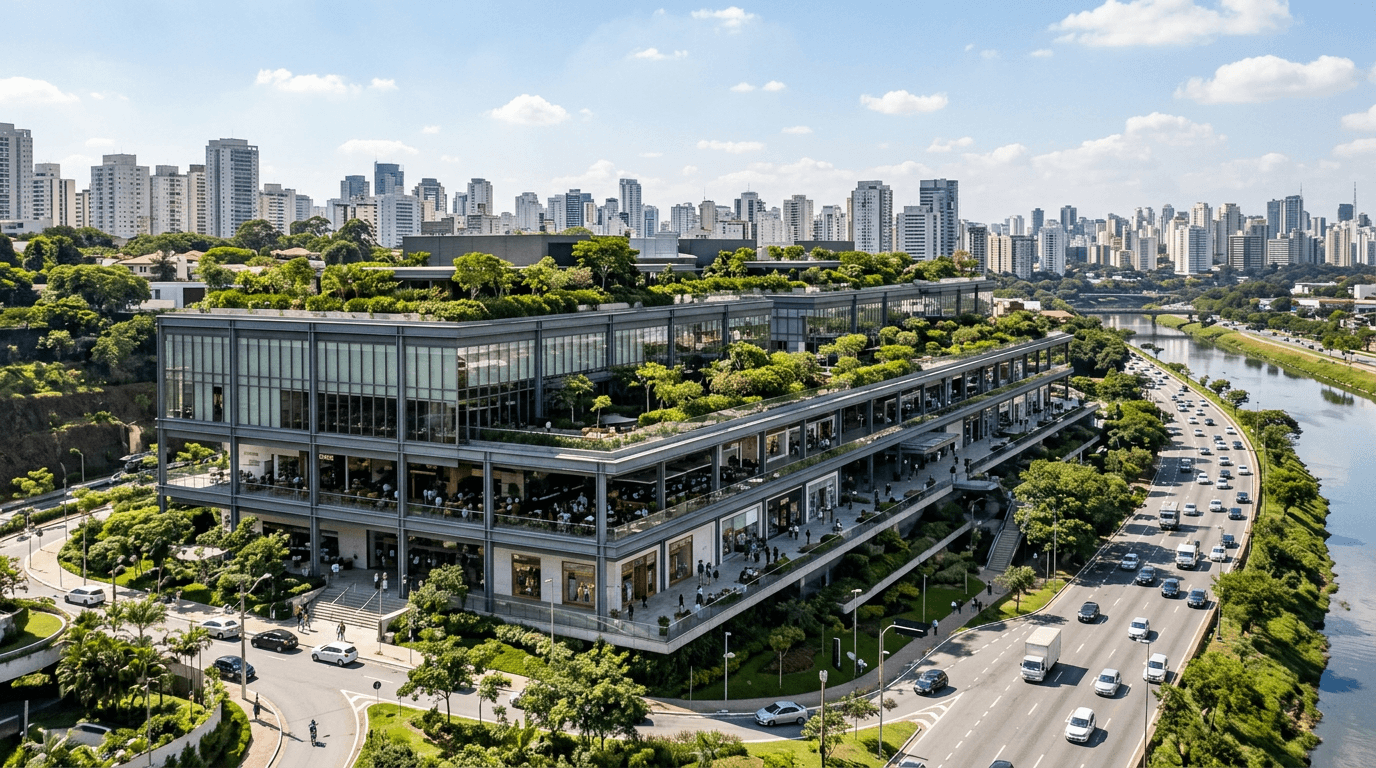
American retail investors who trade international real estate through their brokerage accounts are seeing a major shift in how prime commercial property is managed. High-end luxury retail, once considered the crown jewel of metropolitan portfolios, is facing a strategic re-evaluation as rising maintenance costs prompt institutional landlords to favor high-traffic transit hubs.
In Brazil, this trend materialized on October 16, 2026, when XP Malls, one of the country's largest real estate investment trusts, completed the sale of its entire 16.99% stake in São Paulo's ultra-luxury Shopping Cidade Jardim. According to a regulatory filing released by the fund's administrator, XP Investimentos, on October 16, 2026, the transaction was finalized for R$ 456.3 million (approximately $90 million). The buyer, JHSF Capital SCJ, assumed R$ 151.9 million of the asset's debt as part of the deal.
The divestment highlights the steep financial demands of maintaining high-end retail spaces. According to XP Malls' management, the luxury center—which hosts global brands like Hermès, Gucci, and Prada—demanded continuous capital expenditures that consumed roughly 35% of its net operating income. By shedding the asset, the fund will realize an estimated capital gain of R$ 133.3 million (R$ 2.07 per share), while successfully reducing its overall leverage ratio from 15.6% to 13.1% of its net equity.
Trading Luxury for Mass Transit
Instead of holding onto low-yield luxury, the fund is redirecting its capital toward high-volume brazil shopping malls connected directly to São Paulo's urban rail network. Concurrently with the luxury sale, XP Malls announced the acquisition of stakes in two major subway-integrated properties.
Through its subsidiary Omni Malls, the trust acquired a 15% stake in Shopping Metrô Boulevard Tatuapé and a 5% stake in Shopping Metrô Itaquera for a combined R$ 70.9 million. These properties serve working-class and middle-income commuters, offering steady foot traffic that is less sensitive to the volatile capital expenditure cycles of the luxury market. The acquisitions are projected to add R$ 7.36 million to the fund's operating results over the next 12 months.
Regulatory and Political Landscape
For foreign investors monitoring political and regulatory risks in South America's largest economy, the transaction serves as a benchmark for institutional liquidity. The deal received unconditional clearance from CADE, Brazil's antitrust regulator, on schedule.
While high interest rates in Brazil have historically pressured real estate investment trusts (known locally as FIIs), active portfolio recycling of this scale demonstrates that liquid exit routes remain open for prime real estate assets. Following the restructuring, XP Malls retains direct ownership stakes in 25 operational shopping centers across Brazil, representing 265,000 square meters of gross leasable area.
In your brokerage app
For US retail investors, direct exposure to Brazilian real estate investment trusts like XP Malls (traded on the Brazilian B3 exchange under the ticker XPML11) is generally limited to specialized international brokerages. However, global investors can track broader Latin American real estate exposure through diversified exchange-traded funds or by holding multinational asset managers with active Latin American property arms, such as Brookfield Corporation, listed on the New York Stock Exchange.