
High maintenance costs push major fund out of São Paulo luxury mall
Brazilian real estate fund XP Malls has finalized the sale of its stake in Shopping Cidade Jardim for R$ 456.3 million, citing high maintenance costs.
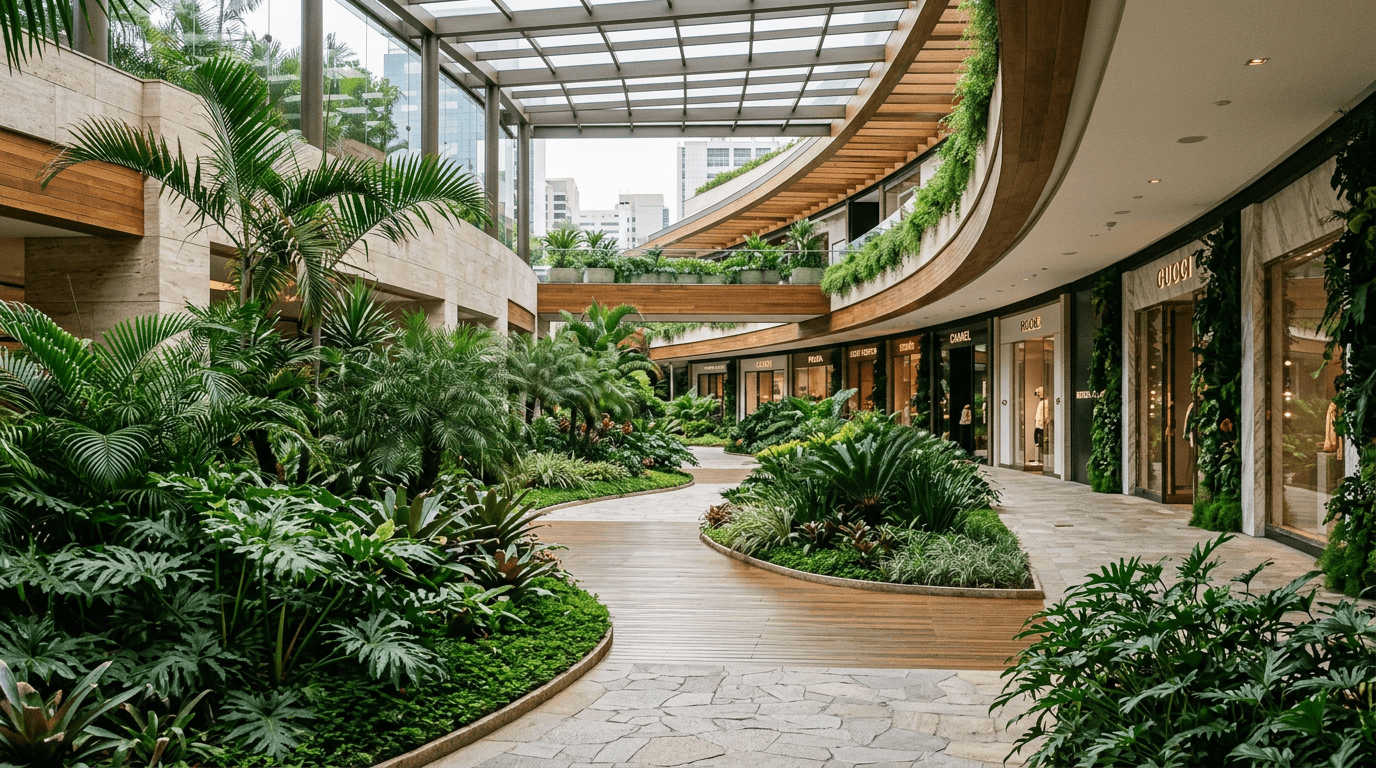
High-end retail properties may look like resilient investments during economic shifts, but the steep cost of keeping them pristine can erode returns. For global investors tracking retail real estate trends, the financial math behind maintaining premium properties is forcing even dominant institutional players to restructure their portfolios.
On October 16, 2026, the major Brazilian real estate investment trust XP Malls (XPML11) officially concluded the sale of its 16.99% stake in São Paulo’s premier luxury mall, Shopping Cidade Jardim, for R$ 456.3 million. According to frequent regulatory filings published by the fund's manager, XP Vista, the transaction implies a total valuation of R$ 2.7 billion for the entire property—marking a 57.5% increase over the R$ 1.7 billion valuation reference used in a similar transaction in 2023.
Despite the substantial valuation jump, the fund's management decided to exit the luxury asset due to the heavy burden of recurring capital expenditures. Maintaining a high-end shopping destination requires constant, expensive upgrades to meet the expectations of affluent shoppers and international tenants. XP Malls disclosed that these recurring maintenance costs consume approximately 35% of the property's net operating income.
Shifting to mass-market retail
Shopping Cidade Jardim is a landmark in Brazil's financial capital, known for hosting exclusive global brands. The open-air, garden-style complex features prominent tenants such as Hermès, Cartier, Louis Vuitton, and Prada. However, the fund is pivoting its capital toward assets with more predictable cash flows and lower upkeep demands.
Simultaneously with the luxury exit, XP Malls announced it finalized the acquisition of stakes in two major transit-adjacent malls in São Paulo, Shopping Metrô Boulevard Tatuapé and Shopping Metrô Itaquera, for a combined R$ 70.9 million. These properties cater to middle-class commuters and experience high foot traffic with significantly lower capital expenditure requirements.
The buyer of the Cidade Jardim stake is JHSF Capital, a specialized real estate fund manager focused on high-income developments. The deal was finalized after receiving regulatory clearance from CADE, Brazil's antitrust authority, which monitors market concentration in major metropolitan retail hubs.
In your brokerage app
While local real estate investment trusts (FIIs) like XP Malls are traded directly on the São Paulo stock exchange (B3), international retail investors can gain exposure to Brazilian real estate and high-end retail through broad emerging market exchange-traded funds. The iShares MSCI Brazil ETF, which is widely available on US brokerage platforms like Fidelity and Schwab, tracks the broader Brazilian equity market and holds major retail, financial, and real estate operators.