Global meat giant JBS slides on earnings miss and cash burn
World’s largest animal-protein processor JBS reports a sharp drop in quarterly profit, missing Wall Street estimates as global pork and trade limits weigh on margins.
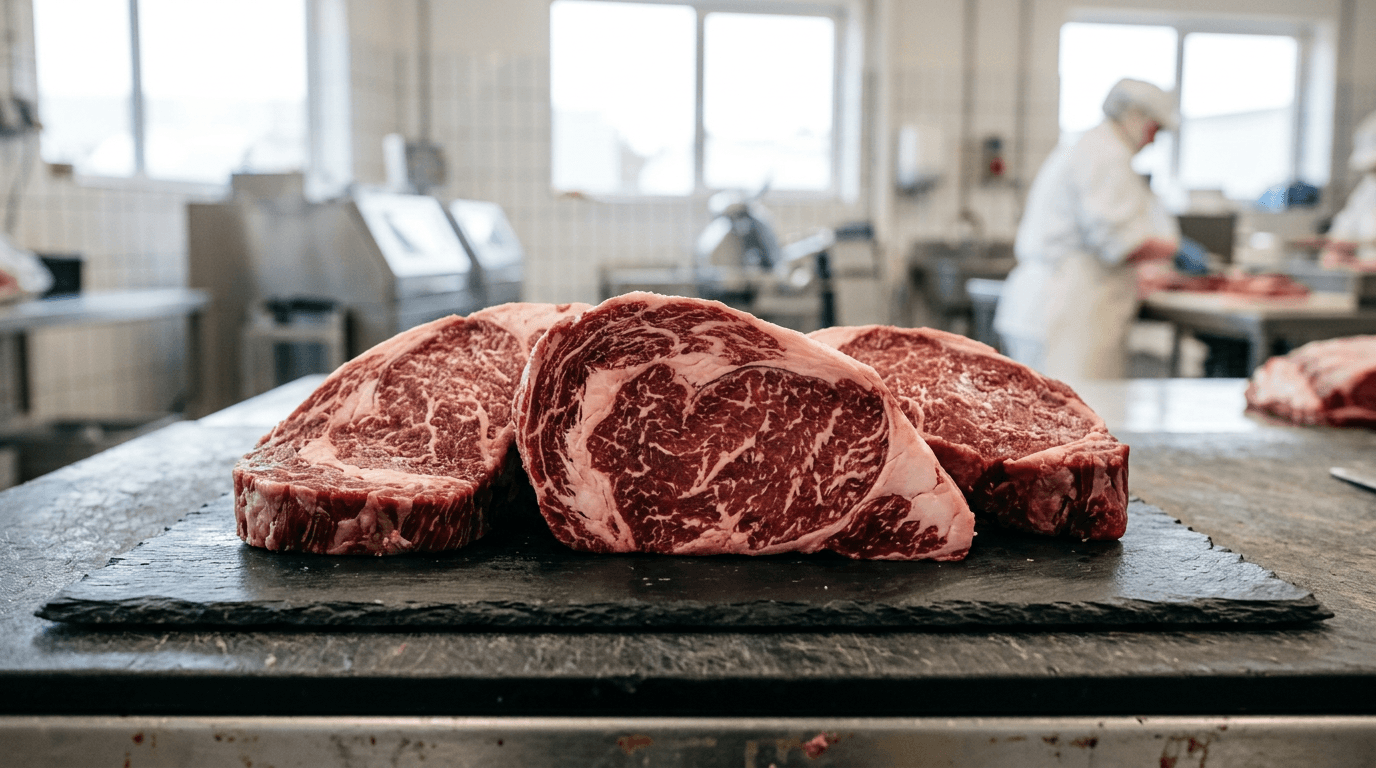
U.S. retail investors holding shares of global food giants are navigating a fresh wave of volatility in the consumer staples sector. JBS N.V., the world's largest animal-protein processor, saw its stock price slide after reporting a sharp contraction in quarterly profitability. Despite the immediate earnings-related selloff, major Wall Street investment banks continue to monitor the company's long-term global scale and geographical diversification.
The meat processing giant, which is controlled by Brazilian billionaire brothers Joesley and Wesley Batista through their holding company J&F, has long been a dominant force among global meat exporters. JBS operates a highly diversified global platform, meaning its performance directly impacts what American consumers pay for beef, pork, and poultry at local supermarkets.
Earnings Pressure and Governance Scrutiny
On November 9, 2026, JBS reported its financial results for the third quarter of 2026, revealing adjusted earnings per share of $0.16, according to the company's SEC Form 8-K filing. This figure missed the Wall Street consensus estimate of $0.32 by 50%. Net income for the quarter fell 71.7% year-over-year to $164 million, down from $581 million in the third quarter of 2025.
The company pointed to a challenging global operating environment, including compressed margins in pork and poultry, and the fact that China reached its annual import quota for Brazilian beef earlier in the year. Free cash flow turned negative at $167 million, representing a $551 million decrease year-over-year, which JBS attributed to higher working-capital consumption in Brazil and a decline in adjusted operational earnings. Adding to investor jitters, JBS announced related-party transactions, including the acquisition of Flora for an enterprise value of $542 million from its parent company J&F, which raised corporate governance questions among minority shareholders.
Following the announcement, JBS shares fell in trading on November 10, 2026, closing down 1.68% at $12.90, well below its 52-week high of $18.65.
Wall Street Evaluates Long-Term Value
Despite the immediate negative reaction to the cash burn and earnings miss, sell-side analysts remain focused on the company's structural advantages. Analysts who track the stock point to the defensive nature of global food demand and the company's geographical diversification as key pillars of support.
While South American margins faced headwinds, JBS's North American beef operations showed signs of recovery. Net sales in the North American beef segment grew 4.3% year-over-year in the third quarter, returning to positive adjusted operational profitability after two difficult years.
In your brokerage app
For retail investors using platforms like Fidelity, Schwab, or Robinhood, JBS N.V. is listed directly on the New York Stock Exchange under the ticker JBS. Investors seeking broader exposure to the global agricultural and food processing sectors can also find the stock held within consumer defensive and agribusiness exchange-traded funds, such as the VanEck Future of Food ETF.