
Global food prices hit home as Brazil farm defaults slash bank payouts
Falling crop prices have triggered a wave of agricultural defaults in Brazil, forcing state-controlled Banco do Brasil to halve its annual profit guidance.
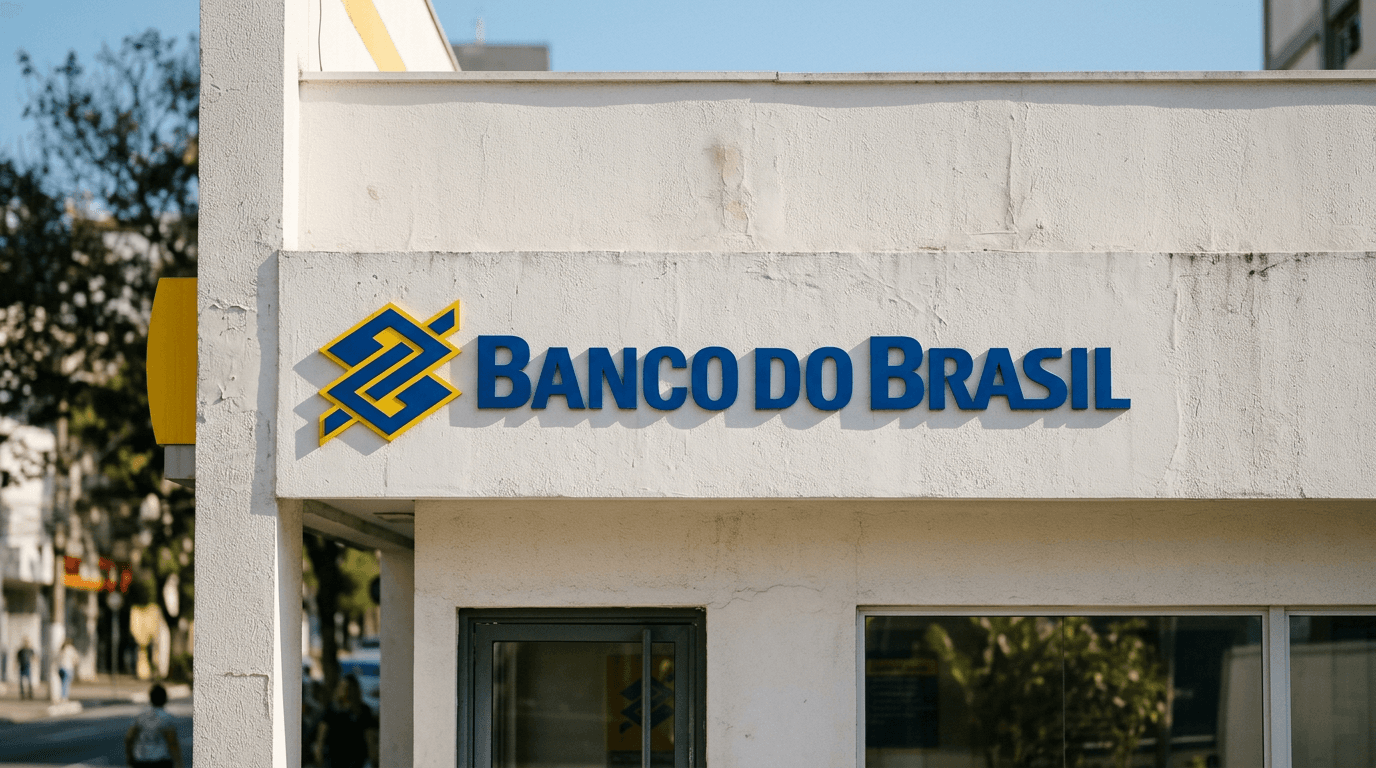
Global grocery shoppers might be enjoying a reprieve from pandemic-era food inflation, but the resulting plunge in crop prices has triggered a financial crisis in the world's agricultural powerhouse. The financial pain from cheap grain has traveled from South American soy fields straight to the balance sheets of major financial institutions, showing how deeply global commodity markets are intertwined with international investment portfolios.
In Brazil, the epicenter of this agricultural squeeze, state-controlled banking giant Banco do Brasil S.A. announced on November 11, 2026, that it has slashed its full-year 2026 adjusted net income guidance by half. According to the bank's material disclosures, the lender now expects to earn between R$ 9 billion and R$ 11 billion ($1.6 billion to $1.9 billion), down from its previous forecast of R$ 18 billion to R$ 22 billion. To protect its capital buffers, the bank's board of directors reduced its 2026 dividend payout ratio from 30% to the statutory minimum of 25% and canceled all interim dividend payments for 2027.
The sudden dividend cut follows a difficult third quarter of 2026, during which Banco do Brasil’s adjusted net income collapsed by 67.5% quarter-over-quarter to R$ 1.3 billion, heavily missing the consensus analyst estimate of R$ 3.47 billion compiled by Bloomberg. The state-run lender, which holds nearly half of Brazil's agricultural credit market, has been hit by a perfect storm of falling commodity prices, high domestic interest rates, and severe weather disruptions in the Center-West grain belt.
The Mechanics of a Farm Default Wave
When global prices for soybeans, corn, and beef fell from their pandemic peaks, many Brazilian farmers found themselves unable to cover their high borrowing costs. According to Banco do Brasil's financial disclosures on November 11, 2026, the bank's 90-day delinquency rate for agribusiness loans climbed to 6.1%, up from 4.5% a year earlier. Strikingly, management noted that 85% of these delinquent borrowers had never missed a payment before 2024, highlighting the unprecedented nature of the current downturn.
Under banking regulations, when borrowers fall behind, lenders must immediately divert cash from their earnings into loan-loss provisions. Banco do Brasil was forced to raise its projected 2026 credit costs to an eye-watering range of R$ 80 billion to R$ 83 billion, up from the previous R$ 65 billion to R$ 70 billion. This massive provisioning requirement dragged the bank's return on equity down to just 2.8% for the quarter, compared to a normalized historical average of roughly 16%.
The crisis has also exposed limits to government intervention. A federal debt-renegotiation program established under Provisional Measure No. 1,376/2026—which offers farmers up to ten years to restructure their debts—has seen lower-than-expected take-up from non-performing clients, leaving the bank to absorb the losses on its own.
In your brokerage app
For retail investors holding diversified emerging market funds or international banking assets, this agricultural downturn directly impacts yield expectations. Banco do Brasil S.A. trades in the U.S. over-the-counter market as an American Depositary Receipt under the ticker BDORY, and its local shares are a major holding in broad-market funds like the iShares MSCI Brazil ETF (EWZ). While private competitors like Itaú Unibanco and Banco Bradesco have less direct exposure to the agricultural sector, the systemic rise in credit provisions across the Brazilian financial system represents a broader headwind for regional financial institutions.
