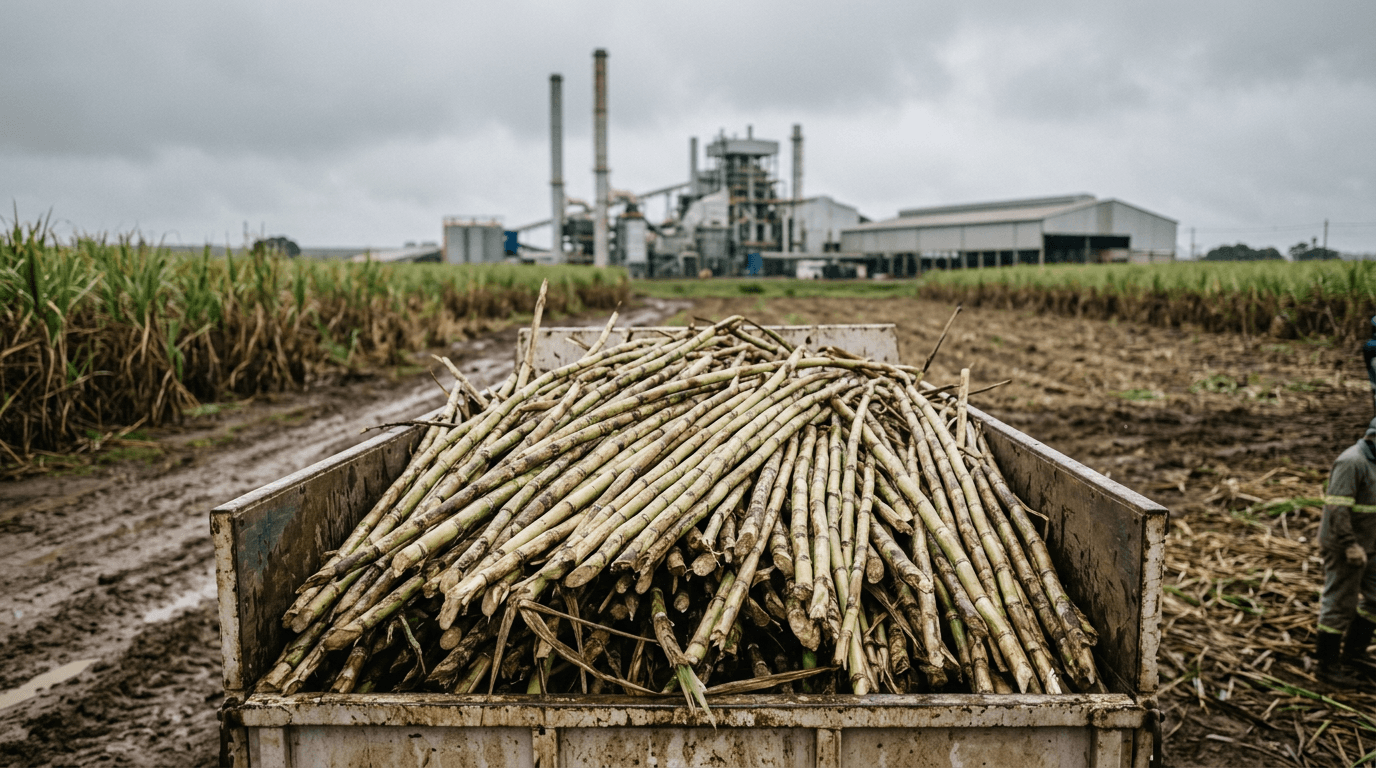
Why dry soil in Brazil's southern soybean belt is moving US markets
A sudden dry spell in Cascavel, Paraná, is stressing Brazil's early soybean crop, threatening global supply chains and lifting Chicago futures.
American grocery shoppers and livestock producers are highly sensitive to the cost of animal feed, which is heavily dictated by the global price of soybeans. When dry weather threatens major agricultural zones abroad, the shockwaves travel directly to Chicago futures markets, driving up the cost of everything from cooking oil to domestic beef and poultry. On November 3, 2026, Chicago Board of Trade soybean futures settled at 1,193.75 cents per bushel, up 0.46% as traders began pricing in localized moisture deficits in South America.
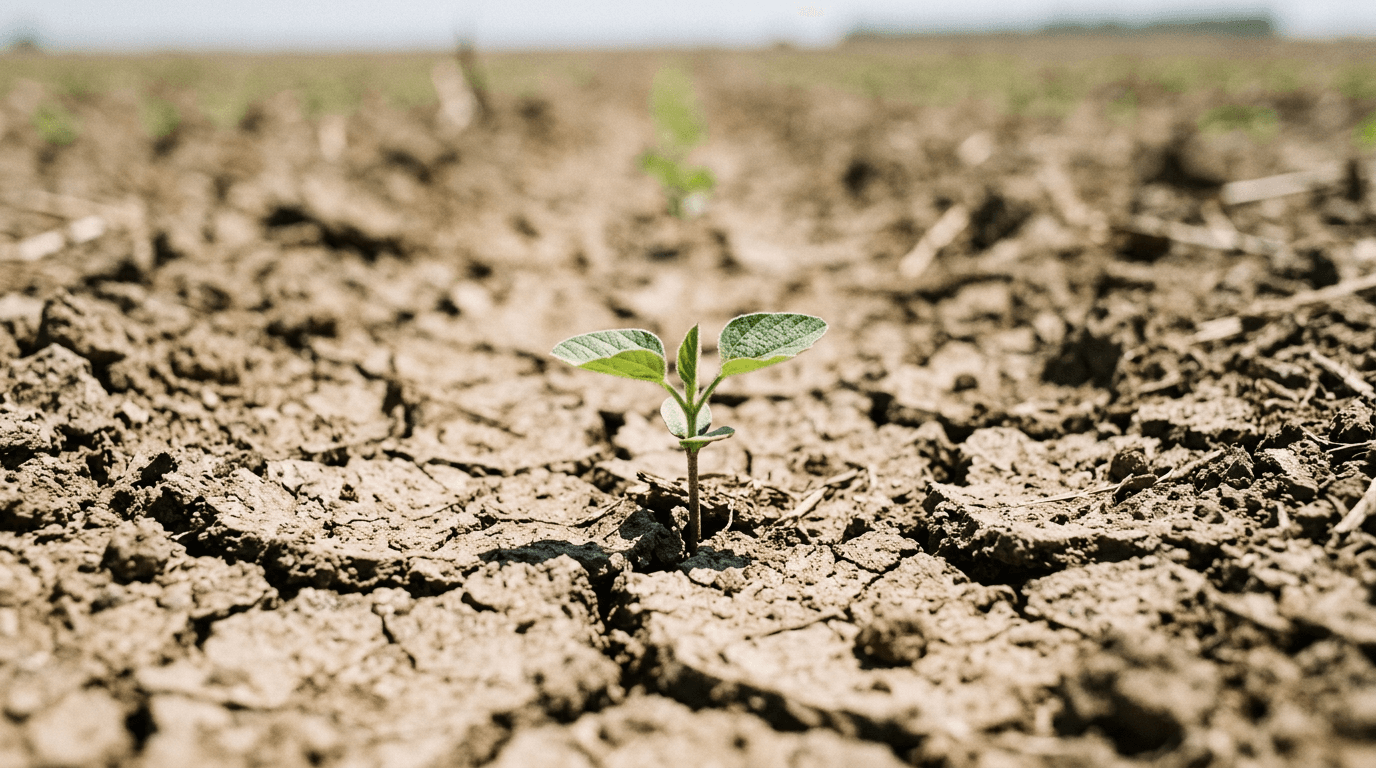
The immediate source of market anxiety lies in Cascavel, a critical agricultural hub in the western portion of Paraná, Brazil's second-largest soybean-producing state. Regional meteorological data for the week ending November 3, 2026, revealed that Cascavel registered five consecutive dry days and accumulated a meager 4.1 millimeters of rainfall. This sudden lack of moisture threatens recently germinated seeds in a region that typically anchors the country's early-season harvest.
This dry pocket represents a sharp, erratic turn for Paraná, where excessive rains earlier in October had already disrupted field operations. According to a report by the state's Department of Rural Economy (Deral) released on November 5, 2026, soybean planting in Paraná reached 71% of the projected 5.7 million hectares. While planting has progressed, it remains behind schedule compared to the last three harvests due to the earlier rain delays. The combination of early waterlogging followed by sudden dry spells creates uneven germination and compromises overall plant development.
The Stakes for Global Supply
The slower planting pace in the south matters beyond this season's immediate soybean harvest. Brazilian farmers rely on a tight double-cropping calendar. They must plant and harvest soybeans quickly enough to allow a second crop of corn—known as the safrinha—to go into the ground before the dry season begins in early 2027. Every week lost to weather disruptions in November raises the odds that the subsequent corn crop will face severe climate risks, potentially tightening global grain supplies across the board.
The weather across Brazil's vast agricultural landscape remains highly uneven. While Cascavel is experiencing water stress, other key soybean regions have seen abundant rainfall. During the same seven-day period ending November 3, 2026, Rio Verde in the central state of Goiás recorded 103.2 millimeters of rain with zero dry days, and Sorriso in the top-producing state of Mato Grosso registered 71.8 millimeters.
This regional disparity keeps commodity analysts divided. The government's National Supply Company (CONAB) has projected a record-breaking national harvest of 181.6 million metric tons for the 2026/27 season, banking on strong yields in central Brazil. However, if the dry spell in southern hubs like Cascavel persists, private consultancies warn that national yield averages could quickly face downward revisions.
In your brokerage app
For retail investors, the primary vehicle to gain exposure to global grain price fluctuations is the Teucrium Soybean Fund, an exchange-traded fund listed in New York that tracks Chicago soybean futures. Investors who trade agricultural equities can also monitor global grain shippers like Bunge Global SA, listed in New York, which operates extensive sourcing and logistics networks throughout Brazil's agricultural interior.