Sugar Prices Hit Two-Year Highs as Rain Halts Brazil's Mills
Global sugar prices rose 6.6% in October 2026, marking a fourth consecutive monthly gain driven by weather disruptions in Brazil and poor global harvests.
Global food conglomerates and consumer packaged goods companies are facing a renewed wave of input cost inflation as a key baking and sweetening ingredient surges to its highest price in nearly two years. The rising cost of raw agricultural materials is beginning to pressure supply chains, threatening to squeeze profit margins for major food brands that rely on steady international shipments.
The primary force behind this sudden market tightening is a series of severe weather disruptions in Brazil, the world’s largest sugar exporter. According to data released on November 6, 2026, by the Food and Agriculture Organization of the United Nations (FAO), the FAO Sugar Price Index jumped 6.6% month-on-month in October 2026 to reach 121.3 points. This represents the fourth consecutive monthly increase, leaving global sugar prices 28.8% higher than they were in October 2025.
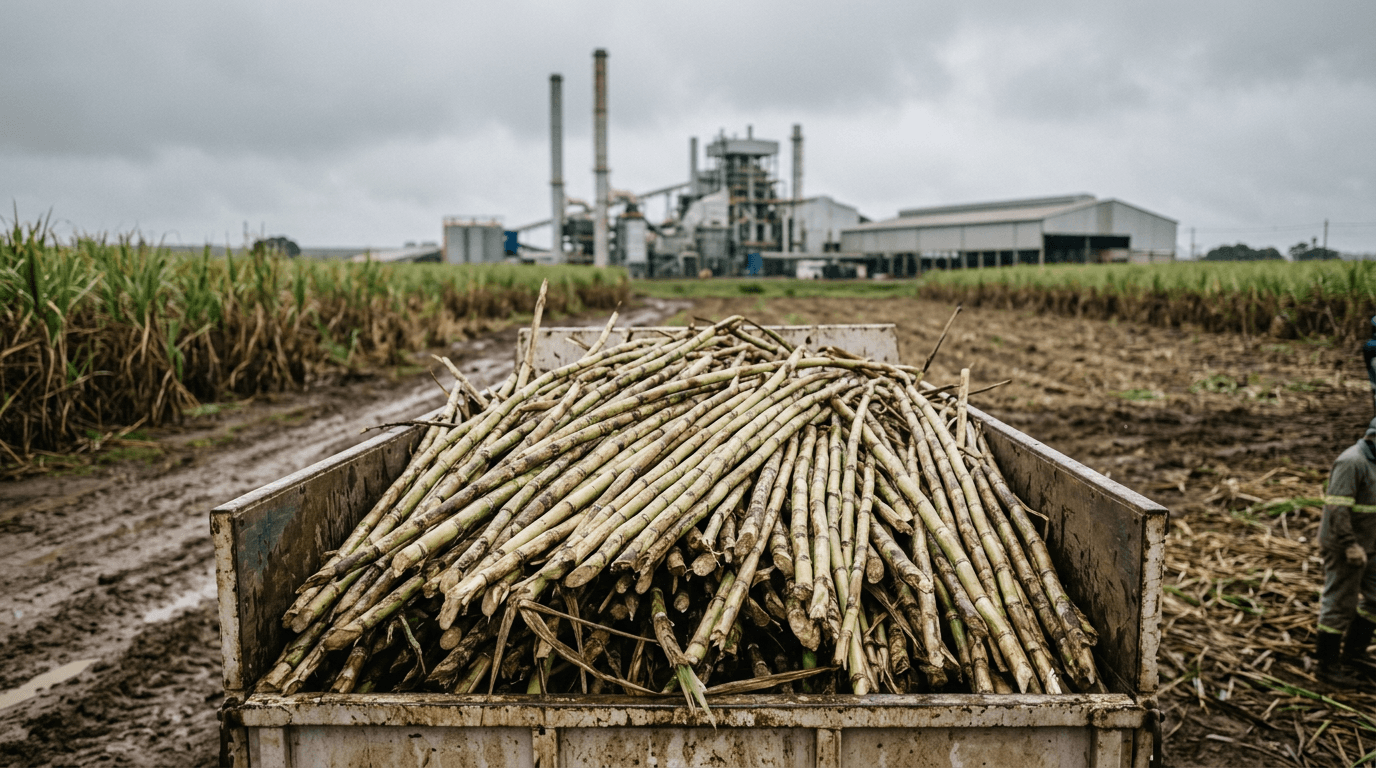
The United Nations agency explicitly attributed this sharp upward trajectory to heavy, unseasonal rainfall in Brazil's Centre-South region. This critical agricultural belt accounts for the vast majority of the country's sugarcane output. The persistent wet weather has physically prevented heavy machinery from entering the fields, bringing both harvesting and milling operations to a sudden standstill across hundreds of processing plants.
Global Supply Pressures Mount
While Brazil's logistical bottleneck is the immediate trigger, the global market is also grappling with structural deficits elsewhere. The FAO noted that international sugar supplies are facing additional strain due to disappointing production outlooks in India, where an uneven monsoon has threatened crop yields. Furthermore, agricultural authorities have lowered production forecasts for Thailand and the European Union for the 2026/2027 season, leaving global buyers with few alternative origins to turn to.
For international buyers, the timing of the Brazilian harvest halt is highly challenging. Sugarcane must be crushed quickly once harvested to preserve its sucrose content. When heavy rains force mills to shut down, it not only delays export schedules at crowded ports like Santos but can also lower the overall industrial yield of the crop, permanently reducing the volume of sugar available for global trade.
In your brokerage app
For retail investors, this supply shock directly impacts major global agribusiness companies that process and trade these commodities. Archer-Daniels-Midland Company, listed in New York, operates extensive global agricultural processing and logistics networks that are highly sensitive to swings in international crop prices. Additionally, the Teucrium Sugar ETF is an exchange-traded fund designed to track the financial performance of sugar futures, reflecting these broader commodity price movements.