
US-China Trade Pact Squeezes Brazilian Soybeans, Ending Premium on Exports to Asia
A new US-China deal guaranteeing 25M metric tons of US soy annually is raising competition for Brazil's exports, which are heavily reliant on the Chinese market.
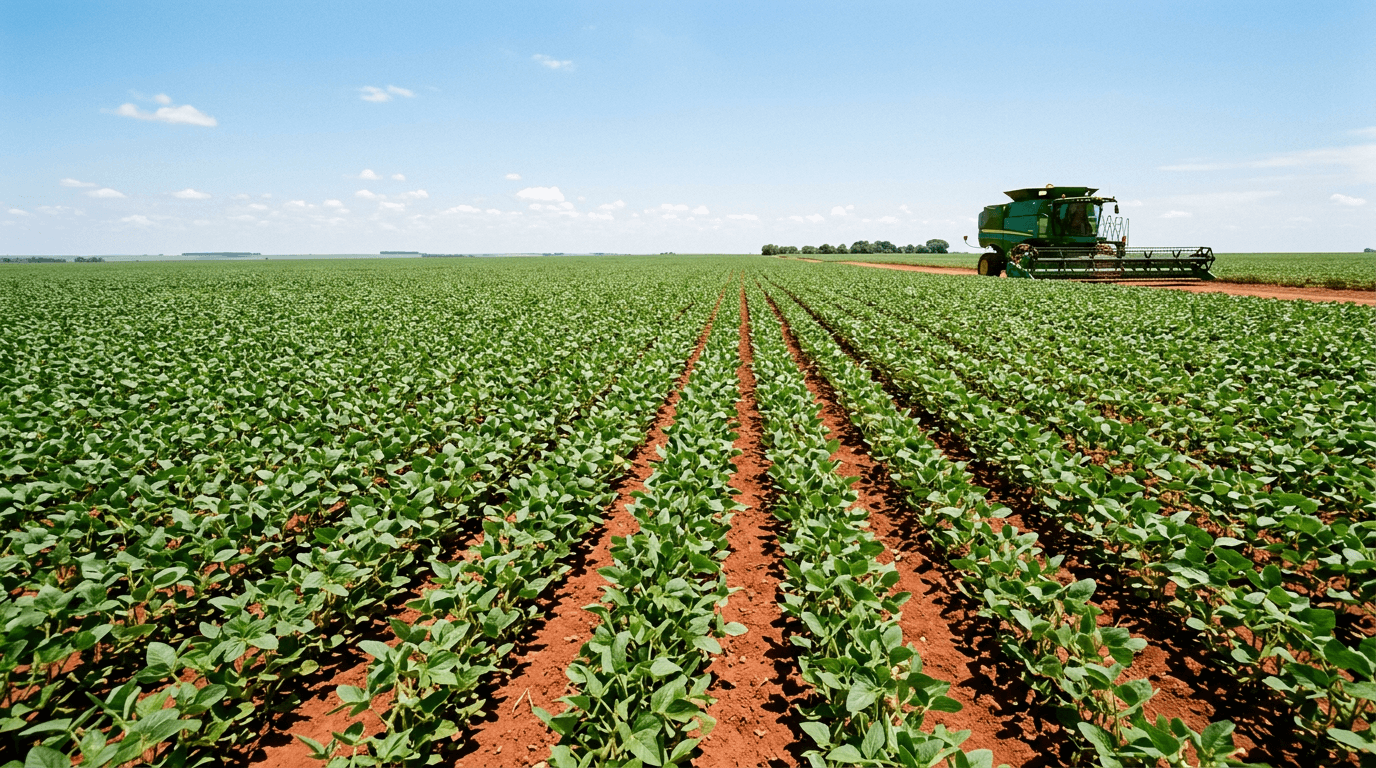
Brazil’s dominant position as China’s primary soybean supplier is facing its stiffest challenge in years, following a renewed trade agreement between Washington and Beijing that guarantees a massive influx of American grain into the world’s largest oilseed market. The agreement, reaffirmed after a September 24 meeting between US and Chinese officials, commits China to purchasing a minimum of 25 million metric tons of US soybeans annually between 2026 and 2028, significantly intensifying competition for Brazilian producers.
The geopolitical shift has immediate consequences for the premiums Brazilian exports command, particularly as the commitment takes effect just as the new US harvest hits the market. Prior to the meeting, commercial Chinese buyers had sharply reduced orders, awaiting a clear signal on the future of the US-China trade relationship—a pattern that highlights how susceptible Brazilian farm income has become to decisions made in Washington and Beijing. With abundant and newly harvested US soy now guaranteed a major buyer, the scarcer Brazilian supply remaining from the last crop year loses the competitive edge it held over the past several months.
The situation underscores a critical vulnerability for Brazilian agriculture: an estimated 70% of the country’s vast soybean exports are destined for China, according to industry figures. This extreme market concentration, while generating record profits during periods of US-China tension, leaves Brazilian farmers highly exposed when those two nations find common ground. The guaranteed volume of American soy fundamentally changes the price dynamic in China, forcing Brazilian traders to lower their offers to compete for the remaining market share and erode the once-significant premium they received.
While the agreement is a boon for US farmers, it represents a substantial challenge for Brazil's massive soybean sector, which is currently focused on planting the new crop under conditions that vary widely across the country. In states like Rio Verde-GO and Sorriso-MT, recent rains (20.4mm and 22.4mm, respectively, over the last seven days) offer optimism for the next harvest, but the geopolitical overhang is likely to depress price expectations for that future crop.
What it touches The immediate market consequence of this news is increased downward pressure on global soybean futures, as the guaranteed trade flow reduces uncertainty over a key supply-and-demand component. This development is relevant to commodities futures, including Soybean (SOY) contracts, which closed today at 1319.0 ¢/bu. The market will be watching the pace of China’s new US purchases, which will ultimately determine the volume of demand remaining for Brazilian grain.