
China Opens New $100 Million Market for Brazilian Pork By-Products
A revised bilateral sanitary protocol grants Brazilian meatpackers access to export high-value pork organs to China, estimated to generate $100 million in new revenue.
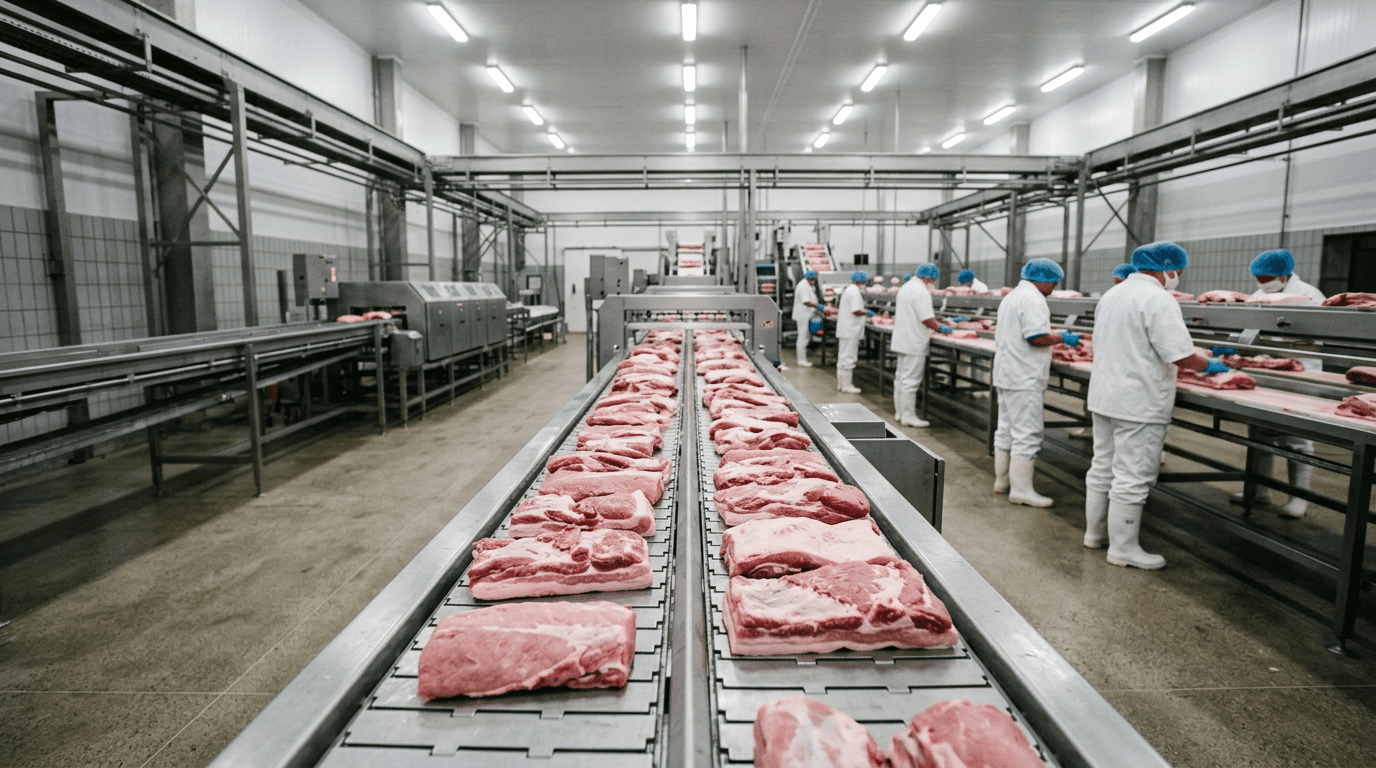
Brazil's swine sector has secured new access to the lucrative Chinese market for high-value pork by-products, a move expected to deliver an additional US$100 million in annual revenue for Brazilian meatpackers. The expanded trade followed a revised sanitary protocol signed between the two nations on September 26, 2026, which authorizes a wider range of Brazilian pork items for export to China. The deal focuses on products like liver, kidneys, and stomach, which hold significant culinary value and demand among Chinese consumers, offering Brazilian companies a better return on parts of the animal that have historically fetched a lower price in the domestic or other international markets.
The expanded market access is a direct consequence of Brazil’s improving animal health credentials on the global stage. The country’s full recognition as free of Foot-and-Mouth Disease (FMD) without vaccination by the World Organisation for Animal Health (WOAH) in May 2025 was a key prerequisite for the new protocol. This highly coveted health status signals to strict importing countries, including China, that Brazilian meat is held to the highest international sanitary standards, paving the way for trade deals involving sensitive products like internal organs. The Chinese market is already the primary destination for Brazilian agricultural goods, and this new agreement further deepens the strategic Brazil China trade relationship.
For the Brazilian protein industry, which includes global giants like JBS and BRF, the agreement represents a critical opportunity to improve the overall profitability of the hog slaughter process. By exporting the entire animal, or as much of it as possible, meatpackers can maximize their revenue, a practice known in the industry as utilizing the "fifth quarter." While the US Dollar trades at R$5.1985 today, the dollar-denominated export revenue will provide a welcome boost to an industry constantly managing domestic cost pressures.
The opening also solidifies Brazil’s role as a reliable global protein supplier. The high demand for pork by-products in China stems from the country’s own supply shortages, initially exacerbated by African Swine Fever, but enduring due to the persistent cultural importance of these cuts. This deal is significant as it shifts more of Brazil's pork production from a commodity-grade export to a value-added one, enhancing the financial stability of the entire swine sector and its regional suppliers. Industry observers will now monitor how quickly and effectively Brazilian meatpackers can ramp up processing and logistics to meet the substantial Chinese demand.
What it touches The new protocol directly benefits Brazilian Protein Exporters with a significant presence in the swine sector, including major companies like JBS (B3: JBSS3), which operates through its Seara subsidiary, and BRF (B3: BRFS3), as the expanded trade provides a tangible, high-margin revenue stream from previously lower-value parts of the animal.