Sugar Supply Chains Shift as Brazil Approves Tariff Relief
Brazil's Senate has approved Bill 5649/2026, a R$ 270 million sugarcane subsidy targeting U.S. tariffs and severe drought in the Northeast region.
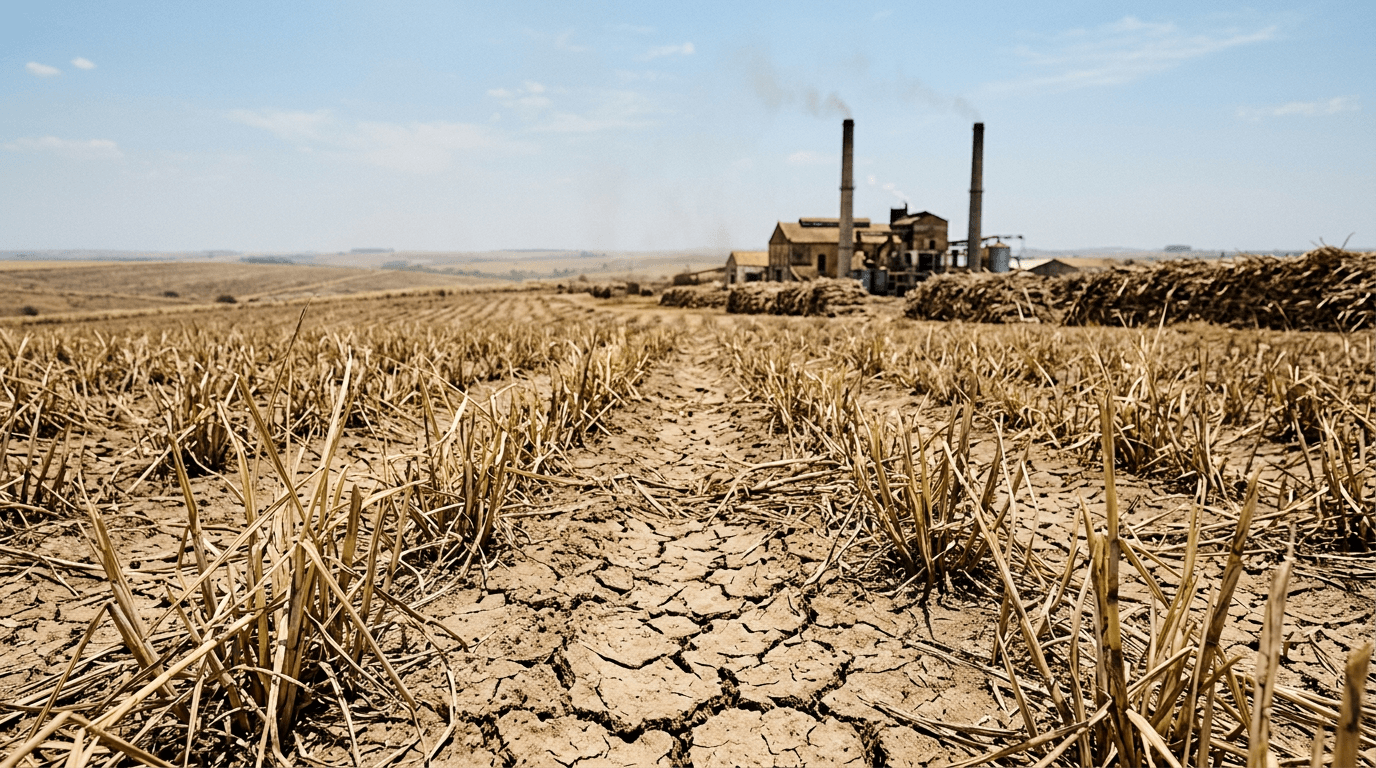
Global sugar and ethanol supply chains are adjusting to a new government intervention in South America. On October 27, 2026, the Brazilian Congress fast-tracked legislative rescue package Bill 5649/2026, designed to insulate the country's independent sugarcane growers from trade barriers and severe weather. The move directly targets the financial pain caused by a 25% tariff imposed by the United States on Brazilian sugar and ethanol exports in July 2026.
The newly approved law, which cleared the Chamber of Deputies on October 27, 2026, and was sent to the Senate just as the underlying provisional executive decree was set to expire on October 28, 2026, authorizes a direct economic subsidy of R$ 12 (approximately $2.21) per metric ton of sugarcane. This financial support is earmarked for independent producers in Brazil's Northeast region, a historically higher-cost production zone compared to the massive, highly mechanized Center-South fields. The program carries an immediate budget impact of R$ 270 million ($49.8 million) for the 2025/2026 harvest season.
Offsetting Tariffs and Severe Drought
The legislative push serves as a dual-front defense. Lawmakers designed the aid to counter both geopolitical friction and extreme weather. In July 2026, the U.S. administration levied a 25% tariff on Brazilian agricultural goods, citing unfair trade practices, which hit the Northeast region's export-dependent mills particularly hard.
Simultaneously, severe regional droughts have degraded crop yields across the Northeast. According to the bill's rapporteur, Deputy Lula da Fonte, the combination of American trade barriers and dry weather threatened to trigger widespread bankruptcies among the region's independent family farmers, who represent 92% of the local sugarcane workforce. By subsidizing the raw cane delivered to mills, Brazil hopes to keep its regional processing plants running and prevent a localized collapse in biofuel and sugar production.
Political Risk and the Agricultural Lobby
For international observers, the rapid passage of Bill 5649/2026 highlights the immense political influence of the agricultural lobby in Brazil's Congress. With the country heading toward a pivotal general election cycle, both the ruling leftist coalition and conservative opposition factions have rushed to back rural relief measures to secure regional support.
While the R$ 270 million sugarcane subsidy is funded through extraordinary federal credits—meaning it does not violate Brazil's strict constitutional spending cap rules—foreign investors remain highly sensitive to the country's fiscal trajectory. The government's willingness to deploy direct subsidies to counter foreign tariffs sets a precedent that other export-heavy sectors, such as soy and beef, may demand if trade tensions with the U.S. escalate further.
Understanding Commodity Market Dynamics
For retail investors tracking agricultural commodities, government interventions of this nature illustrate how domestic policy and trade disputes directly influence global supply-side dynamics. When major producing nations implement localized subsidies, they alter the production economics of raw materials, which can ultimately affect the volume of exports reaching global markets and sway international commodity futures.