Itaú Unibanco Launches Itaú Pay to Challenge Fintech Rivals
Brazil's largest private bank, Itaú Unibanco, has launched a cardless checkout system to compete directly with digital-first competitors.
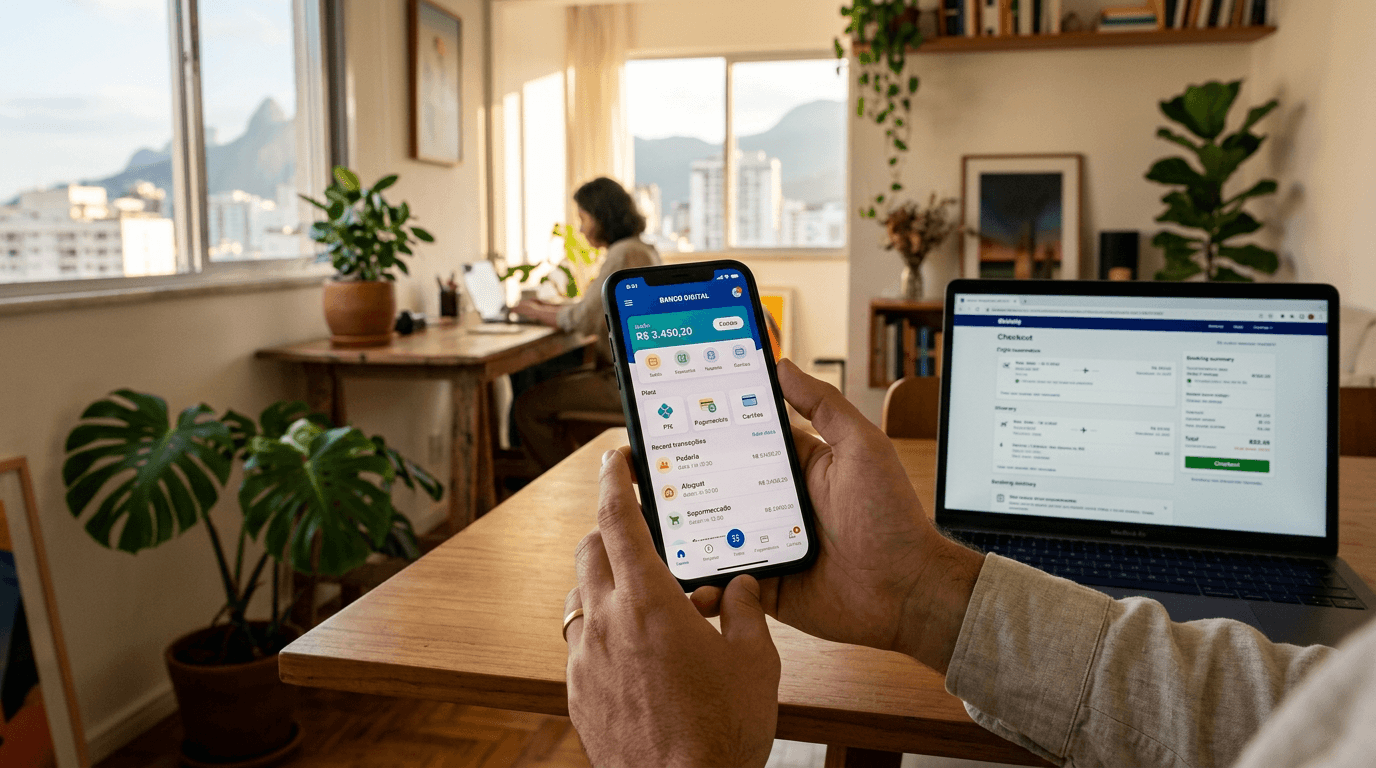
Brazil's largest private bank, Itaú Unibanco, launched a new e-commerce checkout solution on October 30, 2026, aimed at streamlining online purchases and defending its market share against digital-first competitors. The new service, called "Itaú Pay," allows consumers to finalize online transactions directly inside the bank's mobile application, eliminating the need to enter physical card details or generate temporary virtual cards.
The service debuted through an initial partnership with the regional online travel agency Decolar. According to Itaú Unibanco's launch announcement, the bank plans to expand the payment option to other major retail and service platforms in the coming weeks, including pharmacy chain Raia Drogasil, car rental company Localiza, and cross-border payments processor EBANX.
The launch represents a direct counteroffensive to digital banking platforms like Nubank, which introduced its own cardless checkout product, "NuPay," in 2022. To compete, Itaú Unibanco is leveraging its dual role as Brazil's largest card issuer—holding a 24.3% market share—and a dominant payment processor through its merchant acquiring subsidiary, Rede.
By routing transactions directly through the bank's internal ecosystem, the system functions as an account-to-account payment. Users can choose to settle transactions using their existing account balances, credit lines, or accumulated loyalty points.
For online merchants, the system is designed to reduce cart abandonment rates caused by security declines or input errors. According to an official press release from Itaú Unibanco on October 30, 2026, internal company estimates project that the platform can make checkout times up to five times faster and increase transaction approval rates by up to 10 percentage points.
This corporate rivalry unfolds under a stable regulatory framework overseen by the Central Bank of Brazil, which has spent years promoting open finance and digital integration to lower transaction costs. While political debates leading into the 2026 electoral cycle focus heavily on fiscal policy, the underlying rules governing payment systems and digital banking remain highly consistent, allowing both legacy institutions and fintech startups to compete openly for consumer transactions.