
Poultry Import Bans Hit Brazil After Second Avian Virus Outbreak
Brazil's Ministry of Agriculture confirmed a second Newcastle disease outbreak in Santa Catarina, prompting a wave of uneven international trade restrictions.
American supermarket shoppers and global food commodity buyers are facing sudden disruptions in the poultry supply chain as major trading nations restrict imports from the world's largest chicken exporter. Following the confirmation of a highly contagious avian virus in southern Brazil, international buyers have moved swiftly to protect their domestic flocks, directly impacting the operations of multinational meatpackers that supply global markets.
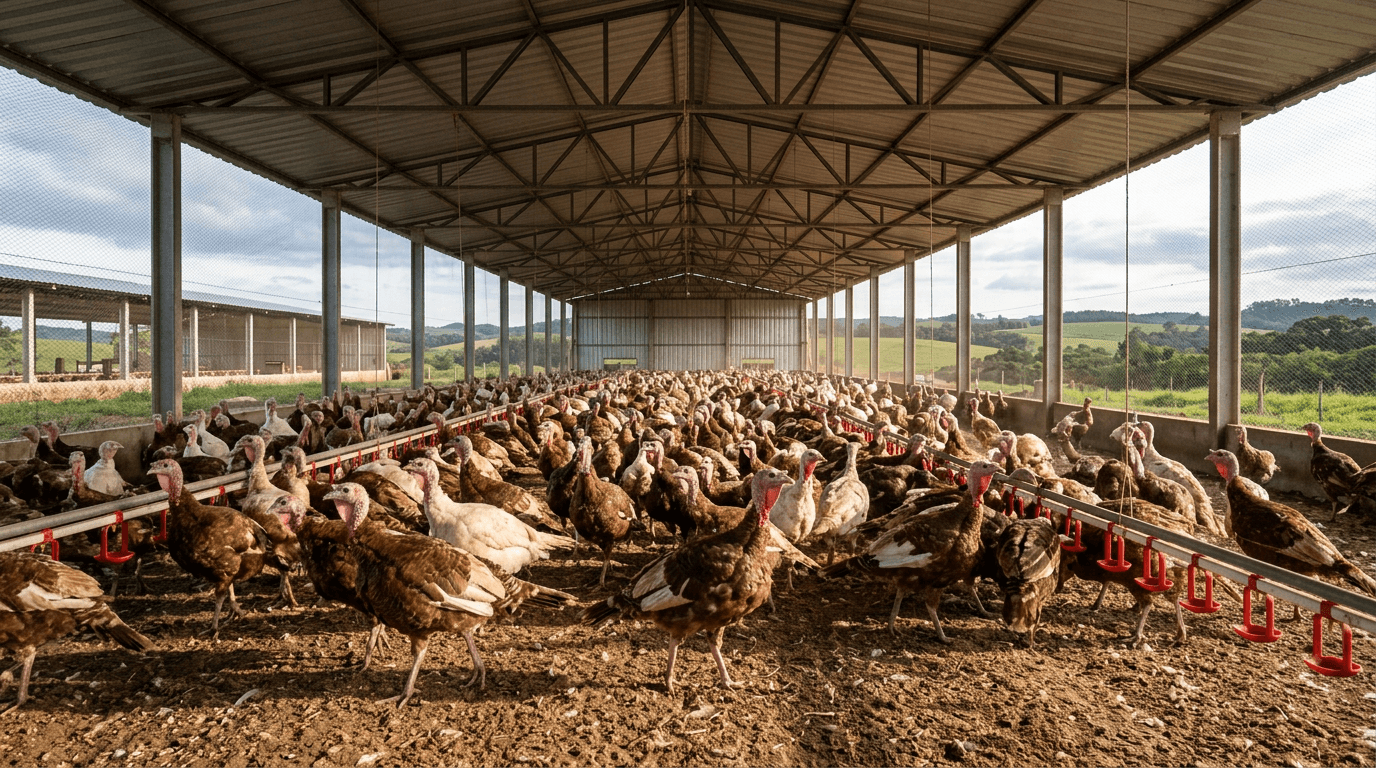
On October 26, 2026, Brazil's Ministry of Agriculture and Livestock (MAPA) confirmed a second outbreak of Newcastle disease at a commercial turkey farm in Coronel Freitas, located in the southern state of Santa Catarina. This second detection was identified through intensified surveillance within an existing restriction zone. It follows the first outbreak confirmed on October 18, 2026, at a turkey farm in Nova Itaberaba, Santa Catarina, which had already prompted the federal government to declare a 60-day animal health emergency across four local municipalities.
The response from global trade partners has been swift and uneven, complicating logistics for major exporters. According to MAPA's official updates, Mexico and Malaysia suspended all poultry imports from anywhere in Brazil. Meanwhile, China, Saudi Arabia, and Chile opted for localized restrictions, halting imports specifically originating from the state of Santa Catarina. The state is a critical hub for the country’s agricultural economy, accounting for approximately 22.5% of Brazil's total poultry exports.
Trade Barriers and Containment Protocols
Newcastle disease is a highly destructive viral illness affecting domestic and wild birds. While it poses no threat to human food safety from inspected products, its potential to devastate commercial poultry flocks makes it a highly sensitive trigger for international trade bans. Brazilian authorities, led by Agriculture Minister André de Paula, have initiated the sanitary depopulation of the affected flocks and are holding bilateral talks to reassure trading partners of their containment protocols.
For global meatpackers, the geographic scope of these bans is the primary driver of operational risk. A nationwide ban by a major buyer like Mexico forces companies to reroute supply chains entirely, whereas state-specific bans by China allow exporters to ship from processing plants located in unaffected Brazilian states.
The timing of the outbreak also heightens political and economic sensitivity in Brazil, where agricultural exports serve as a vital source of foreign currency. The government's handling of this biosecurity emergency is under intense scrutiny from powerful domestic farming lobbies, who are highly sensitive to regulatory oversight and export disruptions ahead of the country's upcoming electoral cycles.