Ground beef prices face Thanksgiving squeeze as Brazilian cattle hit record
Brazilian cattle futures have broken historic records, threatening to drive up the cost of retail ground beef and hamburger patties for American consumers.
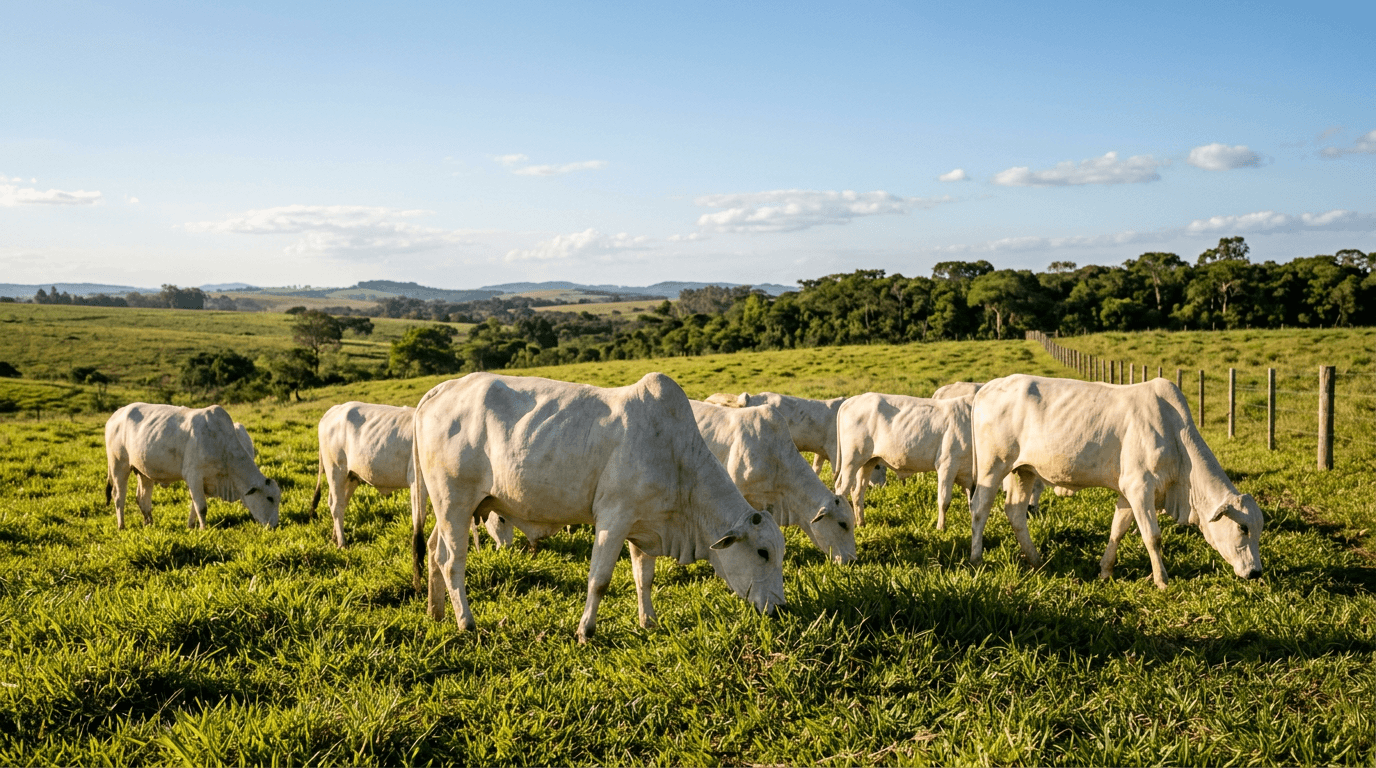
American shoppers preparing for Thanksgiving may soon find their grocery bills climbing. The cost of ground beef and hamburger patties across the United States is facing upward pressure due to a dramatic supply squeeze in South America. Brazil, which has become the largest foreign supplier of beef to the U.S. market, is experiencing an unprecedented surge in livestock prices that is beginning to reshape global meat margins.
On October 27, 2026, the benchmark December futures contract for boi gordo (fat cattle) on Brazil's B3 exchange closed above the historic threshold of 400 Brazilian reais per arroba (a traditional 15-kilogram unit of carcass weight) for the first time, settling at R$ 401.10. The price of Brazilian cattle has surged over 21% in 2026, driven by a severe shortage of slaughter-ready animals and robust international demand.
This domestic rally in Brazil directly touches the supply chain of American supermarkets and fast-food chains. According to data from the U.S. Department of Agriculture (USDA), Brazil shipped 394.3 million pounds (178,900 tonnes) of beef to the United States in the first quarter of 2026, leading all foreign suppliers. Most of this imported Brazilian beef consists of lean, frozen trimmings, which American processors rely on to blend with fattier domestic cuts to produce retail ground beef and hamburger patties.
The rapid appreciation of Brazilian cattle is already squeezing the operating margins of major meatpackers. According to the Center for Advanced Studies on Applied Economics (Cepea) at the University of São Paulo, the physical cattle price index in São Paulo state reached an all-time nominal record of R$ 381.40 per arroba on October 26, 2026. With local ranchers holding back inventory in anticipation of even higher prices, processors are being forced to pay steep premiums to keep their slaughterhouses running.
This raw material inflation is occurring just as U.S. domestic beef production remains constrained by historically low domestic herd numbers. While a weaker Brazilian real—which traded at 5.4206 per U.S. dollar on October 27, 2026—historically makes Brazilian exports cheaper for global buyers, the sheer velocity of the cattle price spike is offsetting exchange-rate advantages. Consequently, U.S. importers will likely have to absorb these higher procurement costs, eventually passing them down to retail consumers at the checkout counter.