Chicago soybean futures face pressure as Brazil accelerates planting
Rapid early-season soybean planting in Brazil offsets localized dry spells, keeping global supply expectations high and pressuring Chicago futures.
Global commodity markets are closely monitoring South American weather patterns as the seasonal shift in agricultural production begins to impact Chicago soybean futures. While erratic rainfall has triggered localized dry spells in parts of Brazil's eastern agricultural frontier, rapid planting progress across the country's primary growing regions continues to reinforce expectations of a massive global harvest.
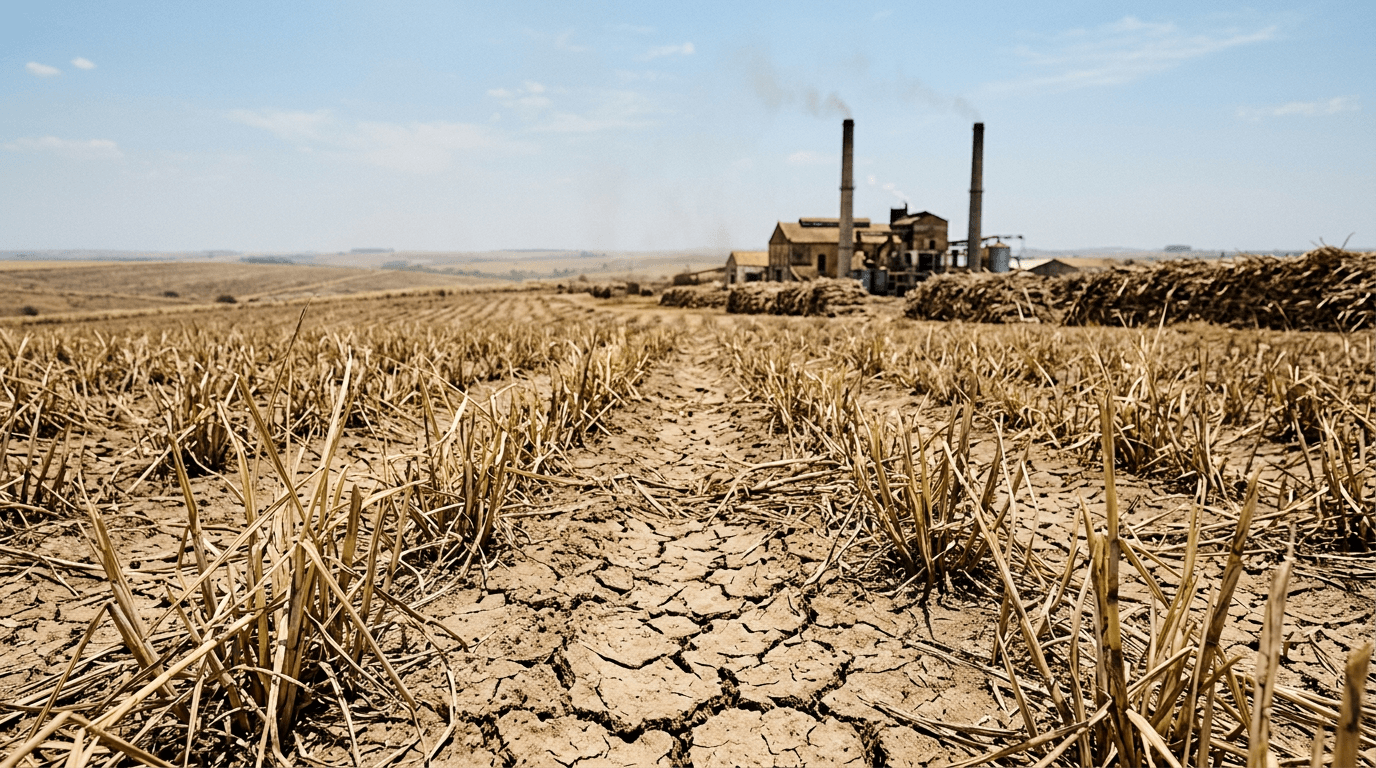
The contrasting weather patterns are particularly evident in the municipality of Luís Eduardo Magalhães, a critical agricultural hub in the western portion of the northeastern state of Bahia. Regional meteorological data for the week ending October 31, 2026, showed the area registered six dry days and accumulated only 6.7 millimeters of rainfall over the preceding seven days. In contrast, Cascavel, a major agricultural hub in the southern state of Paraná, recorded 63.9 millimeters of rain and only one dry day during the same period, illustrating the highly localized nature of the early-season moisture distribution.
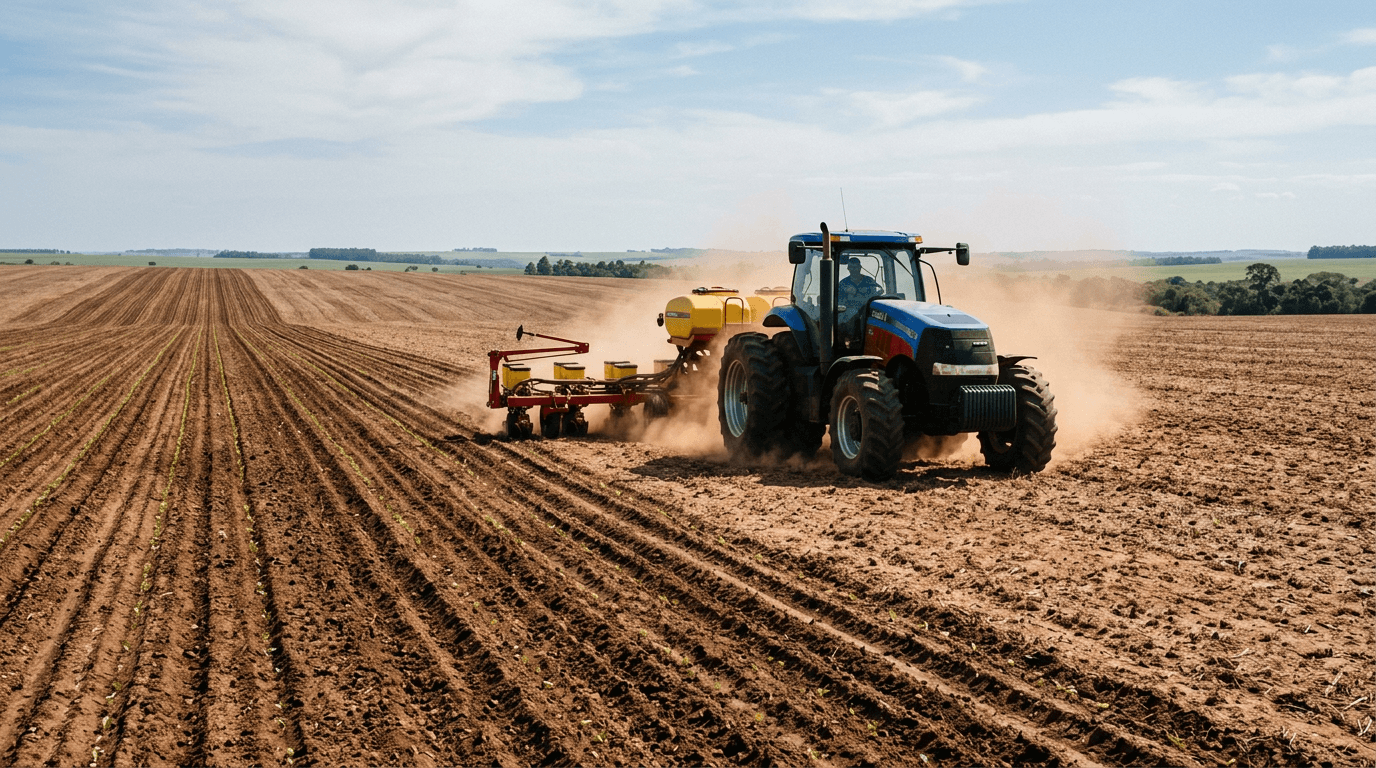
Despite these regional dry pockets, Brazil's national soybean planting campaign for the 2026/27 season is moving at an accelerated pace. According to data released on October 29, 2026, by the National Supply Company (CONAB), Brazilian farmers had planted 42.8% of the projected national soybean area. This represents a significant jump from 30.1% the previous week and sits ahead of the five-year historical average of 40.2%. The central-western powerhouse state of Mato Grosso led the charge, reaching 75.8% completion compared to its five-year average of 70.3%.
For global agricultural markets, the rapid planting pace supports projections of another record-breaking South American harvest. In its October 15, 2026, crop survey, CONAB projected Brazil's total soybean production to rise 0.7% to a record 181.62 million metric tons, spanning a footprint of 49.3 million hectares. Slower growth in planted area—estimated at a 1.4% year-over-year increase—and a projected 0.8% dip in average yields to 3.683 tons per hectare reflect narrower producer margins and climate uncertainty. However, the sheer volume of the projected crop continues to weigh on international prices.
Speculative traders are adjusting their positions as they weigh the fast-paced Brazilian planting against a record-high U.S. soybean harvest. According to the Commodity Futures Trading Commission (CFTC) Commitments of Traders report for the week ending October 27, 2026, non-commercial traders on the Chicago Board of Trade maintained a net long position, reflecting sensitivity to any potential weather disruptions during the critical South American vegetative phase. Nonetheless, the combination of rapid planting in Brazil and a record U.S. crop of 4.56 billion bushels has kept soybean futures under pressure, hovering near two-month lows.